Antananarivo
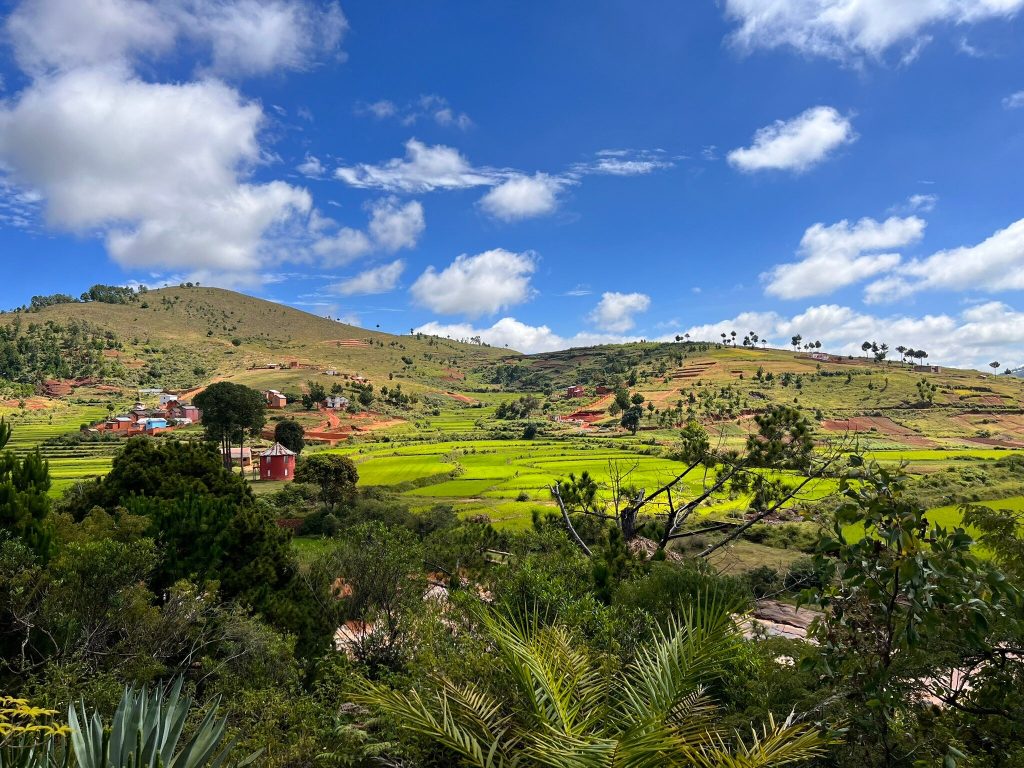
Antananarivo is Madagascar’s capital and the gateway to everywhere else on the island, a highland city built across twelve hills at around 1,280 metres. Most visitors pass through for a night at either end of a trip, though a full day covers the Rova royal palace, the Analakely market and the old upper town. Locals call it Tana, and almost every domestic flight starts here.
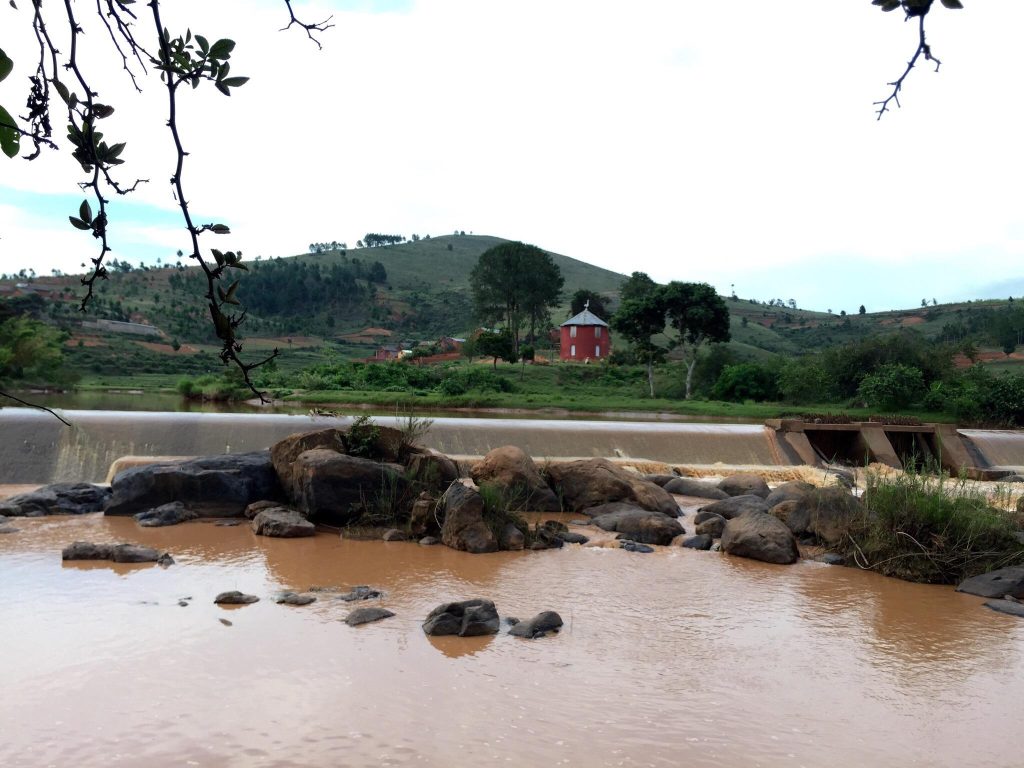
Rova Palace Tours and the Merina Royal Complex
Rova tours take you to the top of Analamanga hill, the highest point in the city, where the royal palace complex of the Merina kingdom stands. The view runs 360 degrees across Tana and its hills, which alone justifies the climb.
Manjakamiadana, the Queen’s Palace, was built for Queen Ranavalona and later encased in stone. An arson attack in 1995 gutted the complex, and reconstruction has been running since. Royal artefacts saved from the fire are displayed, and the tombs of Madagascar’s rulers sit beside the entrance.
Go with a guide. The Merina monarchy, its rise across the highlands and its collapse under French colonisation in 1895 is the story that explains most of what you see elsewhere in the country, and the site means very little without it.
Analakely Market Tours and Street Food
Market tours at Analakely are the strongest experience in the city and the one most visitors remember over the viewpoints. This is where Tana shops rather than where tourists are taken, and the difference shows.
Vendors work behind pyramids of pink rice, dried fish, baskets stacked head-high and spice stalls that release a cloud of vanilla, pepper and clove near Avenue de l’Indépendance. Schoolchildren, office workers buying rice-and-laoka lunches and grandmothers arguing over chicken feet make up the crowd.
The Marché Artisanal de la Digue further along is the craft market, half aimed at visitors and half chaotic local trade. Prices there are higher and bargaining is expected.
Practical rules for Analakely. Carry money in two separate pockets and keep small notes accessible, since pickpocketing is real and spikes around midday in the densest aisles. Haggle for handicrafts starting around sixty percent of the asking price and settling near seventy-five. Do not haggle over food and produce, which are fixed price and where bargaining is rude. Bring a cloth bag, as plastic bags were banned in Madagascar in 2017. Ask before photographing people.
Haute-Ville Walking Tours and Colonial Architecture
Walking tours of Haute-Ville, the upper town, cover steep cobbled streets, colonial villas and churches spread across the ridge below the Rova. Getting lost in the back streets is what most visitors end up rating highest.
Andafiavaratra Palace sits nearby, once home to Prime Minister Rainilaiarivony, who governed alongside three successive queens and married each of them. It now houses royal garments, jewellery and relics, including pieces rescued from the Rova fire.
The walking is genuinely steep, with long flights of stairs linking levels of the city. Sensible shoes, and allow more time than the distances suggest.
Twelve hills, a royal palace at the top and a market at the bottom. Tana rewards walking more than most capital cities, and exhausts you doing it.
Lake Anosy and Downtown Tours
Lac Anosy is the heart-formed lake that appears in most photographs of the city, ringed by jacaranda trees that flower brilliant purple around October. A war memorial stands on an island at its centre.
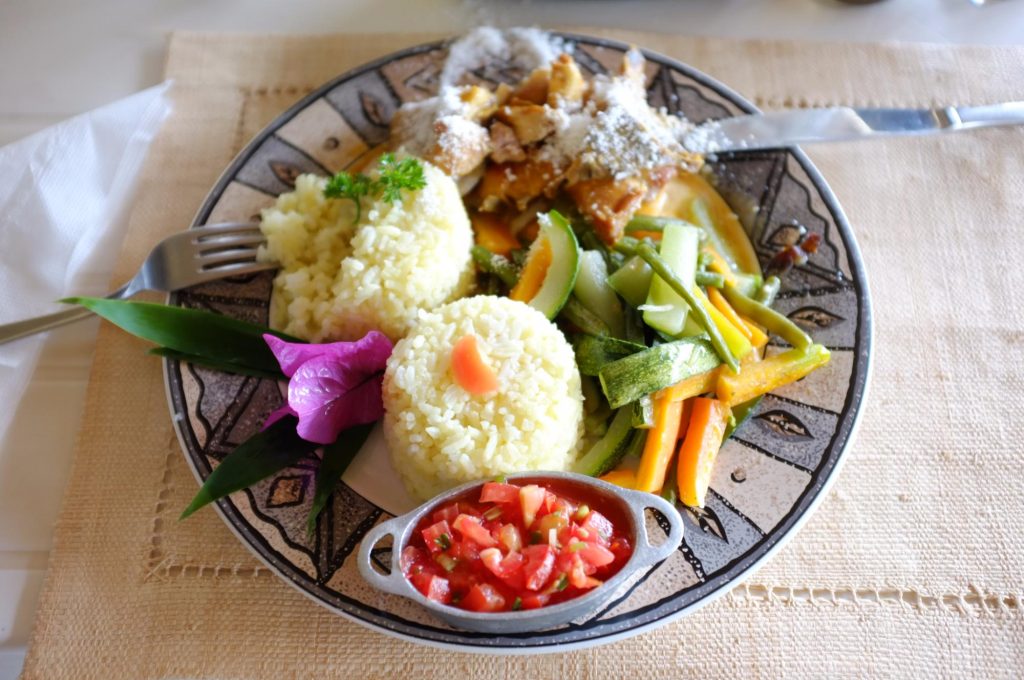
Downtown covers Analakely and Avenue de l’Indépendance, with the old railway station at one end. Mahamasina, on the southeastern side of the lake, has a reputation as an artists’ and musicians’ quarter.
Safety advice is consistent across sources: do not walk around Lac Anosy alone, particularly after dark, as the area sees petty crime. Taxis are cheap and the sensible default for moving around the city at night.
Tsimbazaza Zoo and Botanical Garden Tours
Tsimbazaza combines a zoo and botanical garden in the centre of the city and holds lemurs, tortoises, birds and endemic plants. For visitors whose itinerary does not include a national park, it is the only wildlife they will see.
Standards are those of a modestly funded institution in a poor country, and travellers who have already visited the parks usually find it flat. It works better as an orientation before heading out than as a substitute for the forests.
Mid-morning is when the animals are most active. The botanical section is quiet and pleasant regardless.
Day Trips to Ambohimanga and Lemurs’ Park
Ambohimanga, about 20 km north, is the royal hill where the Merina kingdom began, and it is a UNESCO World Heritage Site in its own right. The fortified village, royal tombs and sacred sites are better preserved than the Rova and considerably less altered. Half a day covers it.
Lemurs’ Park, roughly 22 km west, is a private reserve holding several lemur species in a botanical garden setting. It is captive rather than wild, but works well for anyone with only a night in Tana who still wants to see lemurs.
Both make sensible use of a spare day at the start or end of a trip, particularly if a domestic flight schedule has left you stranded in the capital.
One night. Arrive, sleep, fly out. What most itineraries allow. If you have an afternoon, spend it at Analakely rather than anywhere else.
Two nights. A full day covering the Rova, Haute-Ville and the market, plus a half day at Ambohimanga or Lemurs’ Park. Enough to see the city properly without it eating your trip.
Malagasy Food Tours and Where to Eat in Tana
Antananarivo is the best place in the country to eat, because ingredients arrive here from every region and the restaurant scene has more range than anywhere else. Food tours around Analakely and the surrounding streets cover the everyday version, and it is worth doing.
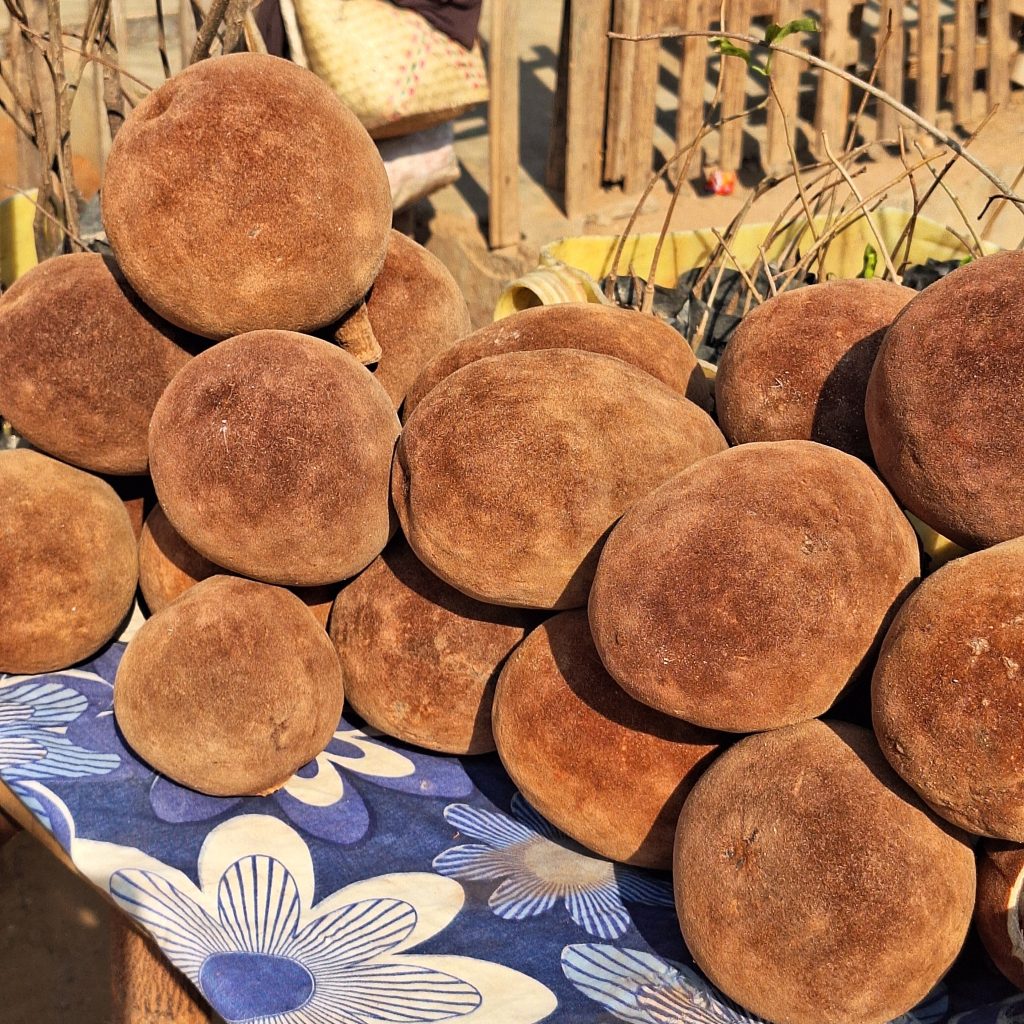
Rice with laoka, the accompanying dish of meat, fish or vegetables, is the foundation of Malagasy eating and turns up everywhere from street stalls to restaurants. Romazava, a beef and green-leaf stew, and ravitoto, pork with pounded cassava leaves, are the dishes to look for. Street vendors sell fried snacks, samosas and skewers through the day.
The French influence on the upper end of the scene is unmistakable, and Tana has good bakeries, patisseries and wine lists that come as a surprise after weeks in the parks. Zebu steak appears on most menus and is reliably good.
Water should be bottled or treated. Street food is fine if it is cooked in front of you and served hot, which is the usual advice and holds here as elsewhere.
Getting Around Antananarivo and Onward Travel
Ivato airport lies about 15 km north of the centre and handles international arrivals and every domestic route. Transfers take anywhere from forty minutes to well over an hour depending on traffic, which is heavy and unpredictable.
Taxis are the standard way around the city, with fares negotiated before departure rather than metered. Traffic and the hills make walking between districts slower than it looks, though Haute-Ville and downtown are both walkable internally.
Tana is the hub for everything. The RN7 runs south toward Antsirabe, Ranomafana, Isalo and Toliara. The RN2 goes east to Andasibe and Toamasina. Domestic flights reach Nosy Be, Diego Suarez, Morondava, Toliara, Fort Dauphin, Sambava and Maroantsetra. Almost every itinerary in Madagascar begins and ends here.
Best Time to Visit Antananarivo
The highland altitude means Tana is considerably cooler than the coasts, and nights get genuinely cold in the dry season.
April to June. Rains ending, clear skies and comfortable daytime temperatures. Among the pleasantest months in the city and a good period for walking the hills.
July and August. Coolest and driest. Days are mild and sunny, nights drop sharply and heating is uncommon in hotels. Peak season for travel across the country.
September to November. Warming, with jacarandas flowering around Lac Anosy in October. Clear conditions before the rains and the busiest period for onward travel.
December to March. Wet season, with heavy afternoon rain and occasional flooding in low-lying districts. Cyclones affect the coasts more than the highlands, but they disrupt flights out of Tana.
Frequently Asked Questions
How much does it cost to visit Antananarivo’s sites?
Entry fees at the Rova, Andafiavaratra Palace and Tsimbazaza are modest and paid in cash in Ariary. Analakely market is free to walk through. City guides are hired by the day at rates well below what a park guide costs. Taxis are inexpensive but negotiated before you get in, so agree the fare first. Budget more for the airport transfer than for anything else in the city.
Is Antananarivo safe?
Take normal precautions for a large city with widespread poverty. Pickpocketing is common in Analakely and around crowded areas, so carry money in separate pockets and keep bags in front of you. Avoid walking around Lac Anosy alone and use taxis after dark rather than walking. Violent crime against visitors is uncommon but opportunistic theft is not.
How long should I spend in Tana?
One night is what most itineraries allow and is enough if the city is just a transit point. Two nights lets you see the Rova, Haute-Ville and the market properly, plus a half day at Ambohimanga. Few travellers plan more, and the city is better as bookends to a trip than as a destination.
What should I buy here?
Vanilla, spices, embroidered textiles and woodcarving. Analakely has the best prices on food and spices; the Digue craft market has the wider selection of handicrafts at higher prices where bargaining is expected. Buying vanilla here is usually cheaper than at the airport and considerably cheaper than at home.
Can I see lemurs near Antananarivo?
Yes, though not wild ones close to the city. Lemurs’ Park to the west holds several species in a private reserve, and Tsimbazaza has a collection in the centre. For wild lemurs, Andasibe-Mantadia is three to four hours east on the RN2 and is the closest genuine park.
Is Ambohimanga worth the trip?
Yes, particularly if the Rova disappointed you. Ambohimanga is a UNESCO World Heritage Site, better preserved than the fire-damaged capital palace, and gives a clearer picture of the Merina kingdom before French rule. It takes half a day including travel.
How do I get to the rest of the country?
By air for anywhere distant, since domestic flights from Ivato reach most regional centres. By road on the RN7 south or the RN2 east, both sealed and both slow. Almost every Madagascar itinerary routes through Tana at least twice, so allow for the transit time rather than treating it as lost days.
Planning Your Visit
Most travellers treat Tana as an obstacle between the airport and the parks. That is understandable and slightly unfair. A single day covering the market in the morning and the Rova in the afternoon gives you the historical context for everything else you will see, and Analakely is more memorable than most of what is on the standard circuit.
Booking Your Madagascar Trip
The safari companies and tour operators listed on this website put trips like this together for a living and know which camps, guides and routes actually deliver. We are an independent guide to Madagascar; we do not book or sell tours ourselves.
When you are ready, arrange your safari, tour or holiday with one of the recognised operators listed here. Tell them your dates and what matters most, and a real person, not a form, will handle the itinerary, park bookings and logistics for you.