Southern Madagascar

Southern Madagascar is the country’s classic route, the RN7 running 950 km from Antananarivo to Toliara through highland towns, rainforest at Ranomafana, ring-tailed lemurs at Anja and the sandstone canyons of Isalo. It ends in spiny forest and reef on the southwest coast. The road is sealed the whole way, which makes this the most accessible region in Madagascar and the standard first trip.
The RN7 and How the South Fits Together
Almost every southern itinerary follows one road. The RN7 leaves Antananarivo, climbs through the highlands to Antsirabe and Fianarantsoa, drops past Ambalavao and Isalo, and reaches the coast at Toliara.
What makes it work is the sequence of habitats. The route starts in temperate highland at 1,500 metres, brushes the eastern rainforest belt at Ranomafana, crosses transitional woodland at Zombitse and finishes in spiny country where the vegetation looks like nothing else on earth.
Ten days covers it with two or three parks properly. Fourteen adds the coast at the end without rushing. Travelling one way and flying back from Toliara saves two full days of retracing and is what makes shorter versions viable.
Temperate highland, rainforest, canyon country and spiny desert along a single sealed road. The RN7 is Madagascar’s most varied drive and its easiest.
Ranomafana and the Rainforest Parks
Ranomafana National Park sits about 65 km east of Fianarantsoa on the RN25 and is the rainforest anchor of the southern circuit. Twelve lemur species live here, including the golden bamboo lemur that was unknown to science until 1986.
The terrain is steep and wet, with the park receiving between 1,600 and 4,000 mm of rain a year depending where you measure. Trails run on slick clay through dense forest, and sightings take more work than at Andasibe in the east.
Three bamboo lemur species share this forest, feeding on different parts of the same plant, which happens nowhere else. Birding is among the best in Madagascar, with ground-rollers and the Madagascar serpent-eagle on the list.
Andringitra National Park further south holds Pic Boby at 2,658 metres, the highest summit ordinary walkers can reach, and ring-tailed lemurs living above the treeline in country that frosts at night.
Anja, Isalo and the Ring-Tailed Lemur Sites
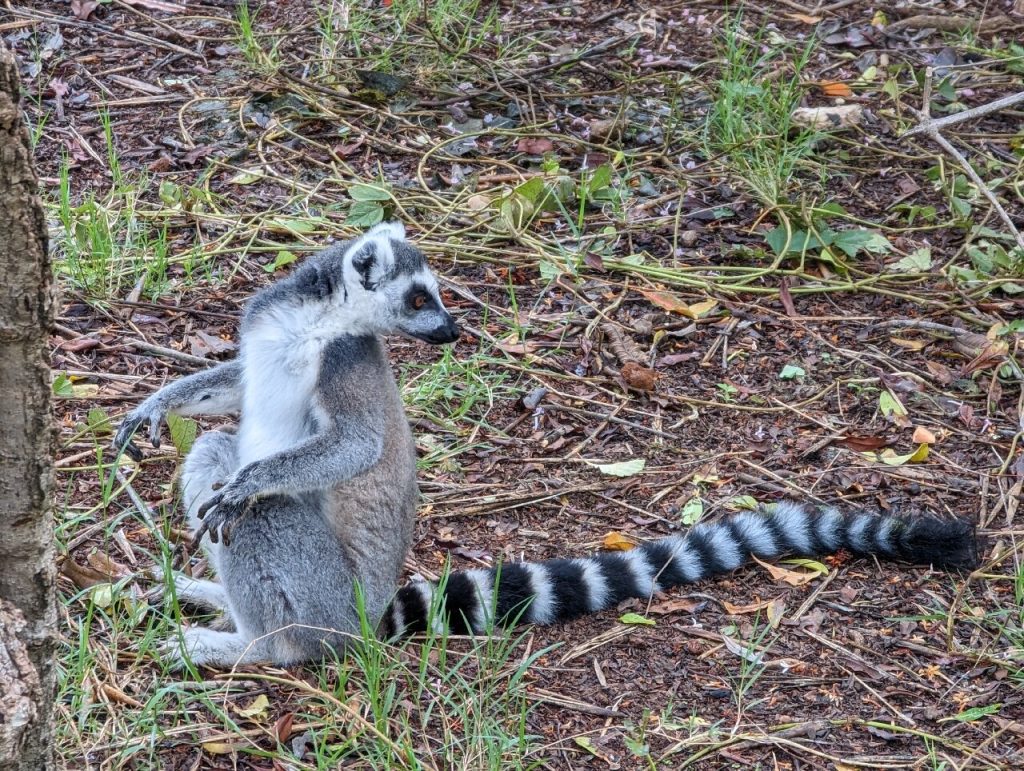
Anja Community Reserve, 13 km south of Ambalavao directly on the RN7, holds the densest ring-tailed lemur population in Madagascar in a patch of forest beneath three granite domes. It is entirely village-owned and takes ninety minutes.
The reserve was created in 2001 by local Betsileo families when deforestation was destroying both the forest and the lemurs, and the recovery since is why it gets cited as the most successful community conservation project in the country.
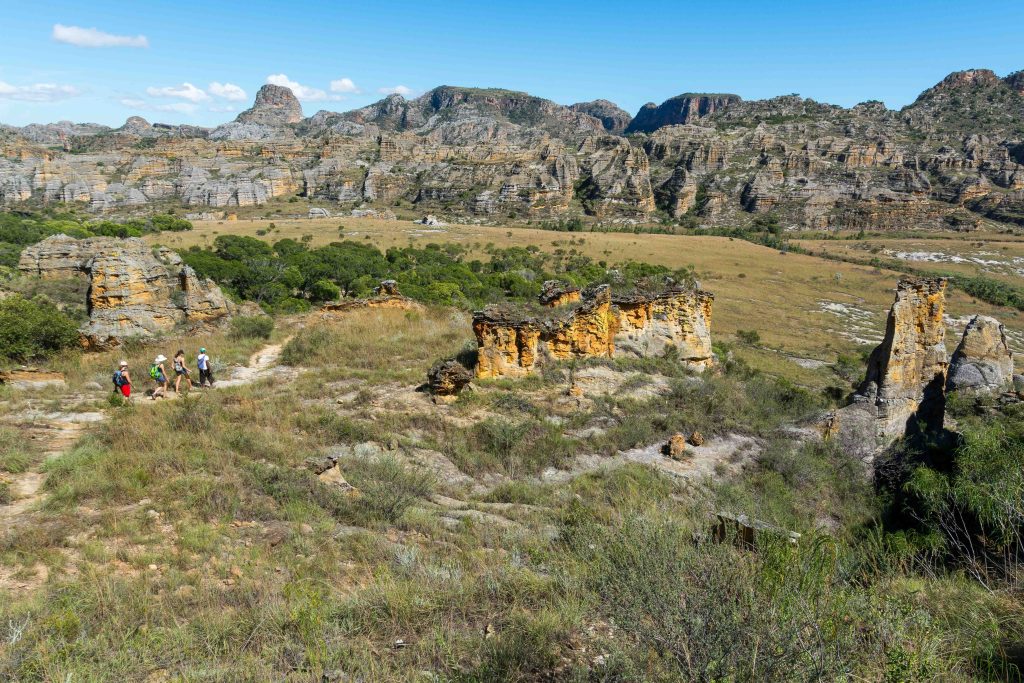
Isalo National Park is the region’s hiking destination, a Jurassic sandstone massif cut into canyons, with spring-fed pools and palm-shaded gorges. Ring-tailed lemurs work the canyon floors and Verreaux’s sifaka cross open ground upright.
The Piscine Naturelle circuit is the classic walk, three hours to a clear pool beneath a small waterfall. Namaza gorge has a chain of pools, and the Fenêtre de l’Isalo is the sunset spot everyone photographs.
Highland Towns and Culture
Antsirabe is the first overnight from the capital, a spa town at 1,500 metres built by the French, with wide colonial avenues, Art Deco shopfronts and several thousand hand-pulled pousse-pousse rickshaws. Lake Tritriva, a collapsed volcanic crater, sits 17 km west.
Fianarantsoa holds the best-preserved old town in Madagascar, with nineteenth-century brick houses and stone churches climbing a ridge. The Sahambavy tea estate nearby is the country’s only one, and the hills produce Madagascar’s small wine industry.
Ambalavao is worth timing for. The Antemoro paper workshop makes paper by a method brought from the Arab world centuries ago, pressing dried flowers into the pulp. The zebu market on Wednesdays and Thursdays is the largest in the country, with herders bringing cattle on foot from the deep south.
The Betsileo are the people of these highlands, known for terraced rice cultivation and for famadihana, the turning of the bones, a funerary practice that remains part of local life.
Ten days. Antsirabe, Ranomafana, Anja, Isalo and out to the coast. Two or three parks properly, one way with a flight back from Toliara. The standard version and the best first trip to Madagascar.
Fourteen days. Adds two nights at each major park, Fianarantsoa’s old town and tea estate, Zombitse on the drive west, and three or four nights on the reef at Ifaty or Anakao.
Three weeks. Adds Andringitra for Pic Boby, the deep south at Fort Dauphin with Berenty and Andohahela, or a western leg to the baobabs. The full southern picture.
Toliara, the Reef and the Spiny Forest
Toliara is where the RN7 ends, the driest and hottest city in Madagascar, and it works as a hinge rather than a destination. The city has no swimming beach worth the name, so visitors transfer straight to the coast.
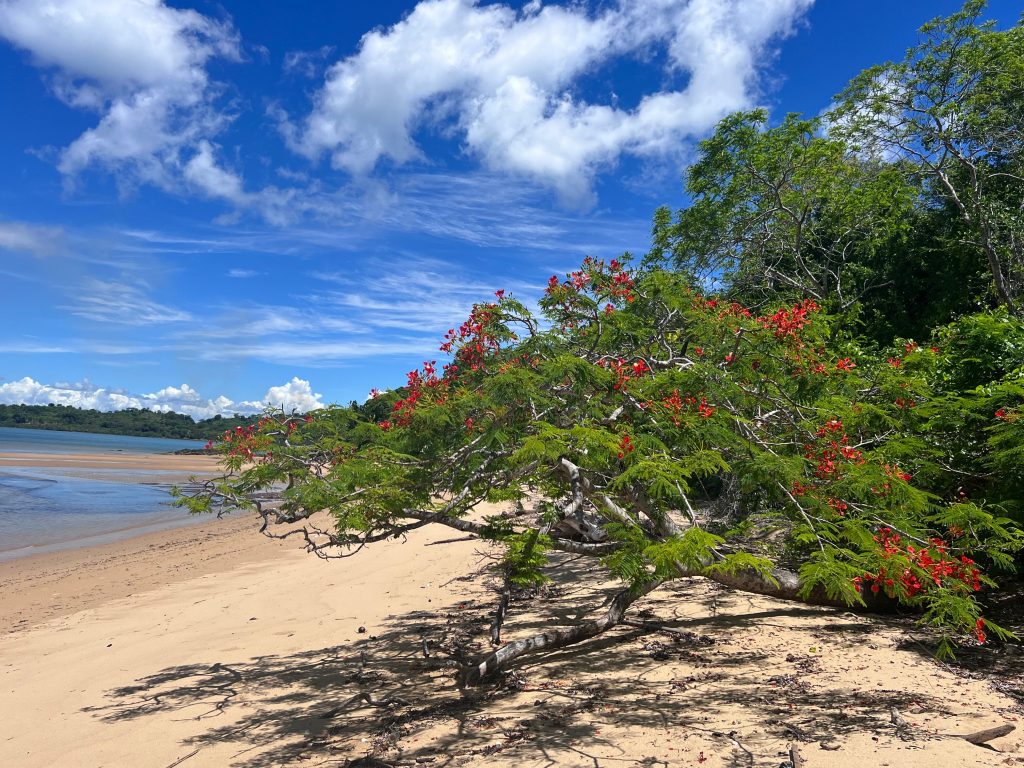
Ifaty and Mangily lie 27 to 30 km north on a rough road, with a coral reef 200 metres offshore making snorkelling straightforward. Anakao is reached by boat to the south and gives access to Nosy Ve for seabirds and Tsimanampetsotsa inland.
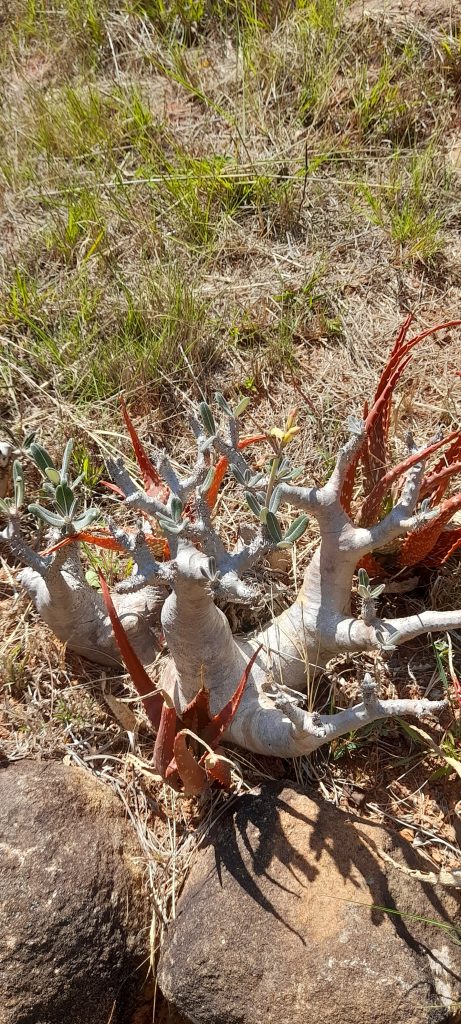
The Antsokay Arboretum outside Toliara holds over 900 plant species from the southwest, around 90 percent of them endemic, and is the best introduction available to the spiny forest.
Tsimanampetsotsa National Park south of Anakao surrounds a soda lake too saline for fish, with flamingos on the shore, blind cave fish in the limestone below and ring-tailed lemurs drinking from banyan roots dropped through a sinkhole.
The Deep South and Fort Dauphin
Beyond the RN7, the southeastern corner around Fort Dauphin is reached by air and holds a different set of attractions.
Berenty Private Reserve offers the closest ring-tailed lemur viewing anywhere, with around 500 animals in tamarind gallery forest surrounded by sisal. The habituation is extreme, which some visitors love and others find uncomfortable.
Andohahela National Park is the only protected area in Madagascar holding rainforest, spiny desert and the transition between them, split across three parcels within a couple of hours of the town.
The country between Fort Dauphin and the RN7 is Antandroy land, the people of the thorns, herding zebu across semi-desert. Official advice recommends flying rather than driving to Fort Dauphin, and using a recognised operator in the southern triangle between Ihosy, Toliara and Fort Dauphin.

The southern triangle carries specific travel advisories. Armed cattle-rustling groups known as dahalo are active in rural areas between Ihosy, Toliara and Fort Dauphin, and attacks have occurred near Isalo, north of Fort Dauphin and on parts of the RN7. Tourists have not for the most part been targets, but the guidance to use a recognised operator and to fly to Fort Dauphin rather than drive is worth following.
Best Time to Visit Southern Madagascar
The south is drier than the east and walkable year-round, with heat rather than rain the limiting factor in the far southwest.
April to June. Rains ended, highlands green, comfortable temperatures. Ranomafana still muddy but walkable. Quiet on the road and good value. A strong window for the longer Isalo circuits.
July and August. Peak season with the coolest walking and most reliable roads. Nights in the highlands drop close to freezing and hotels rarely have heating. Book lodges months ahead.
September to November. The strongest overall. Infant lemurs at Anja and Berenty, active reptiles, flowering plants and settled weather. Isalo gets hot by midday toward the end.
December to March. Wettest and hottest. Ranomafana’s longer circuits become impractical and the RN25 turns slick. Isalo stays open but midday walking is punishing. Prices drop and crowds disappear.
Frequently Asked Questions
How long do I need for southern Madagascar?
Ten days covers the RN7 with two or three parks properly, travelling one way and flying back from Toliara. Fourteen adds a coastal stay and second nights at the major parks. Three weeks lets you include Andringitra or the deep south at Fort Dauphin. Under a week, the RN7 does not work and Andasibe in the east is the better choice.
What does a southern trip cost?
Park entry is 45,000 Ariary per adult per day at most parks with guides charged separately per group. Anja and Isalo set their own rates, with Isalo reported variously at 45,000 or 65,000 plus tax. Accommodation runs from 20 to 40 US dollars for guesthouses up to 120 for the better lodges. Vehicle hire with a driver is the dominant cost, plus the return flight from Toliara.
Is the RN7 good for a first visit to Madagascar?
It is the standard recommendation and deservedly so. The road is sealed throughout, the parks are well organised, the habitat range is wide and ring-tailed lemurs and sifaka are close to guaranteed at Anja and Isalo. What it lacks is indri, baobabs and tsingy, all of which are in other regions.
Can I travel the RN7 independently?
Yes, and many do. Taxi-brousse connects every town cheaply, guesthouses rarely need booking outside July to October, and park guides are arranged at the gate. The friction is reaching park entrances from drop-off points, so hiring a vehicle for the park legs while using public transport between towns is the practical compromise.
Should I add Andringitra?
If you have three weeks and want serious trekking, yes. Pic Boby at 2,658 metres is the highest accessible summit in Madagascar and the three-day circuit is the best mountain walking in the country. It needs a four-wheel drive from Ambalavao and adds four days minimum, so it competes with the coast rather than fitting alongside it.
Where should I finish the trip?
Ifaty or Mangily north of Toliara for reef snorkelling straight off the beach, or Anakao to the south for a quieter Vezo fishing village with access to Nosy Ve and Tsimanampetsotsa. Toliara itself has no usable beach and works only as a transfer point.
Is the south safe?
The RN7 corridor and the parks along it are travelled constantly and present no unusual difficulty. The southern triangle between Ihosy, Toliara and Fort Dauphin carries specific advisories over dahalo activity in rural areas, with guidance to use a recognised operator and to fly rather than drive to Fort Dauphin. Check current official advice before booking.
What is the best single stop on the RN7?
Isalo for scenery and walking, Ranomafana for wildlife, Anja for guaranteed ring-tailed lemurs in ninety minutes. If you can only make one count, Isalo delivers the most memorable country and Ranomafana the longest species list. Anja costs almost no time and should be in every itinerary regardless.
Planning Your Trip
The southern circuit works because one sealed road links everything, but the pacing still catches people out. Six to eight hour driving days between parks mean that treating every stop as a single night produces a trip spent mostly in a vehicle.
Booking Your Madagascar Trip
The safari companies and tour operators listed on this website put trips like this together for a living and know which camps, guides and routes actually deliver. We are an independent guide to Madagascar; we do not book or sell tours ourselves.
When you are ready, arrange your safari, tour or holiday with one of the recognised operators listed here. Tell them your dates and what matters most, and a real person, not a form, will handle the itinerary, park bookings and logistics for you.