Diving and Snorkelling in Madagascar
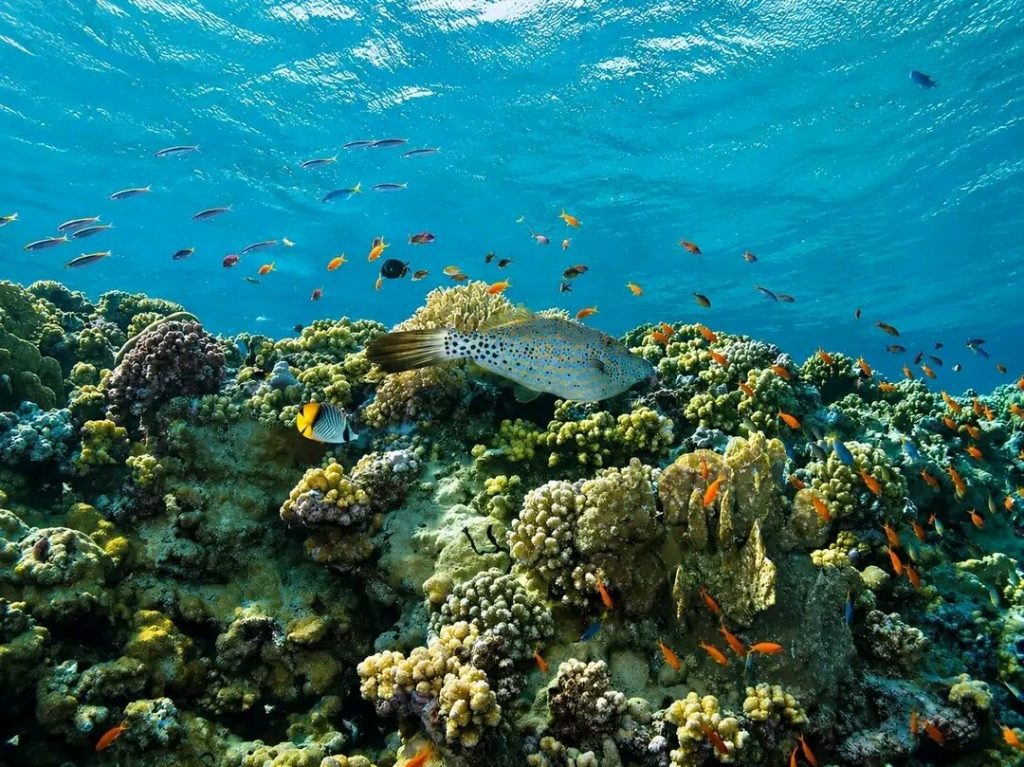
Madagascar has reefs on every coast and the diving is far less developed than the wildlife, which is both the drawback and the appeal. Nosy Be and the northern archipelago hold the most infrastructure, Toliara has the longest barrier reef, and Masoala offers the rare combination of snorkelling straight off a rainforest beach. Sites are uncrowded almost everywhere.
Snorkelling Trips at Nosy Tanikely
Nosy Tanikely is the best snorkelling in Madagascar for anyone without a certificate. A small island with a lighthouse about half an hour by boat from Nosy Be, protected as a marine reserve, with coral gardens close enough to shore that you walk in from the beach.
Green turtles are routine rather than lucky, and the fish life is dense because the reserve has been protected long enough for it to recover. Buoys mark the boundary and the reserve extends in a radius around the island.
Most operators combine Tanikely with Nosy Komba into a single day, which is the standard excursion from Nosy Be and the one nearly every visitor takes. Equipment is usually included, though bringing your own mask improves things considerably.
Reefs on every coast and almost nobody on them. Madagascar’s diving is undeveloped, which means fewer operators, fewer facilities and sites you will have to yourself.
Diving Around Nosy Be and the Northern Archipelago
Nosy Be has the most established scuba operations in Madagascar, based at Ambatoloaka and along the west coast beaches, running sites across the archipelago at a range of depths and difficulties.
Nosy Sakatia is known for swimming with green turtles in shallow water. Nosy Iranja’s reefs hold turtles year-round alongside tropical fish and rays. Manta rays pass through the archipelago, and whale sharks appear in the later months of the year.
Nosy Hara, a marine park of limestone islands north of the Emerald Sea, sees a fraction of the visitors and has reefs in good condition. Reaching it means a longer boat excursion or an overnight camping trip from Ramena or Diego Suarez.
The Emerald Sea itself is snorkelling rather than diving, a shallow lagoon over white sand where the coral is largely undamaged thanks to its sheltered position inside the reef.
The Toliara Barrier Reef and the Southwest
The reef running off Toliara is sometimes called the great barrier reef of Madagascar and is the longest in the country, stretching along the southwest coast.
Ifaty and Mangily, 27 to 30 km north of the city, are the main bases, with the reef sitting roughly 200 metres offshore. Snorkelling works straight from the beach and scuba operators run the outer sites.
Further north, Salary Bay and Andavadoaka have progressively fewer visitors and correspondingly less infrastructure. Anakao to the south is reached by boat from Toliara and gives access to Nosy Ve, a small island with a red-tailed tropicbird colony and reef around it.
Bring your own snorkel gear if you have it. Rental quality along this coast is inconsistent, and a mask that fits properly makes more difference than anything else.
Nosy Be and the north. Most operators, widest choice of sites, turtles and manta rays, whale sharks in season. Combines with island excursions and the northern parks. The most developed and most expensive.
Toliara and the southwest. The longest barrier reef in Madagascar, snorkelling straight off the beach at Ifaty, fewer boats. Fits naturally at the end of the RN7. Rental gear is inconsistent.
Masoala and the east. Three marine reserves off a rainforest peninsula, snorkelling from beaches with forest behind them. Around a hundred coral species. Very few visitors and no dive infrastructure to speak of.
Masoala and Snorkelling from the Rainforest
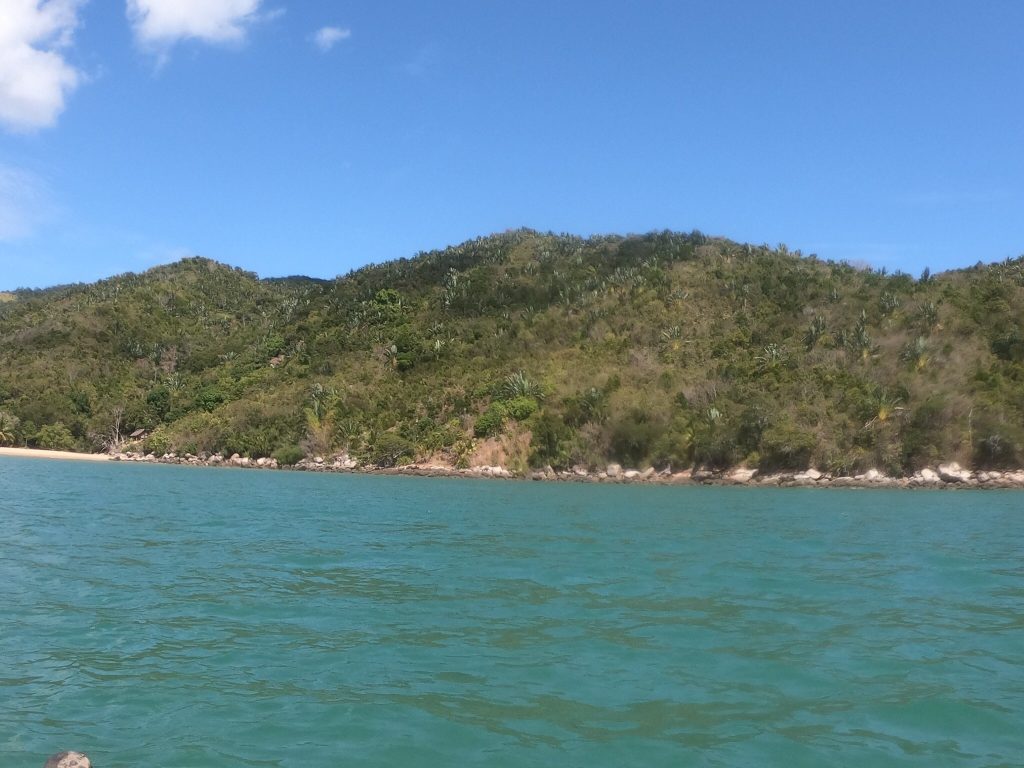
Masoala National Park offers something no other Malagasy destination does: three marine reserves attached to the largest protected rainforest in the country, where you walk out of the forest and into water holding around a hundred coral species.
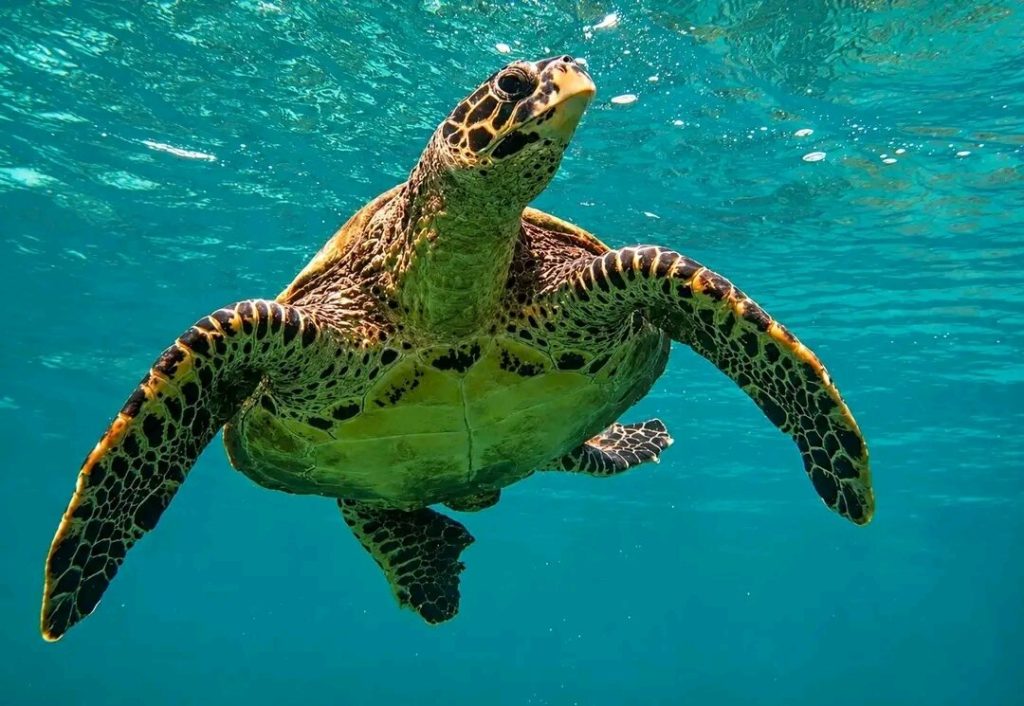
Tampolo, Ambodilaitry and Ifaho are the reserves, and snorkelling works directly off the beach. Green and hawksbill turtles both use these waters, dolphins are common, and dugongs are present though almost never seen.
Sea kayaking along the coast is the other way to use the water, paddling past granite boulders dropping into clear sea with jungle overhanging the sand.
Two cautions apply. The Bay of Antongil has a reputation for sharks, so swim where guides direct rather than elsewhere. And everything at Masoala depends on boat access from Maroantsetra, which cancels in rough seas.
Île Sainte-Marie and the East Coast Reefs
The east coast is the least developed of Madagascar’s diving regions and the most interesting historically, since three centuries of shipping have left wrecks on the bottom around Île Sainte-Marie.
Wreck sites are the local speciality, worked by operators based on the island. The Baie des Forbans was the centre of Indian Ocean piracy from around 1685, and vessels associated with that period still lie offshore, which gives the sites a character the reef-only destinations lack.
Coral reefs shelter the bays and support turtles, morays, skate and crocodile fish, with visibility good outside the wet months. Snorkelling works straight off the beaches at Île aux Nattes, where the lagoon inside the reef is calm and shallow.
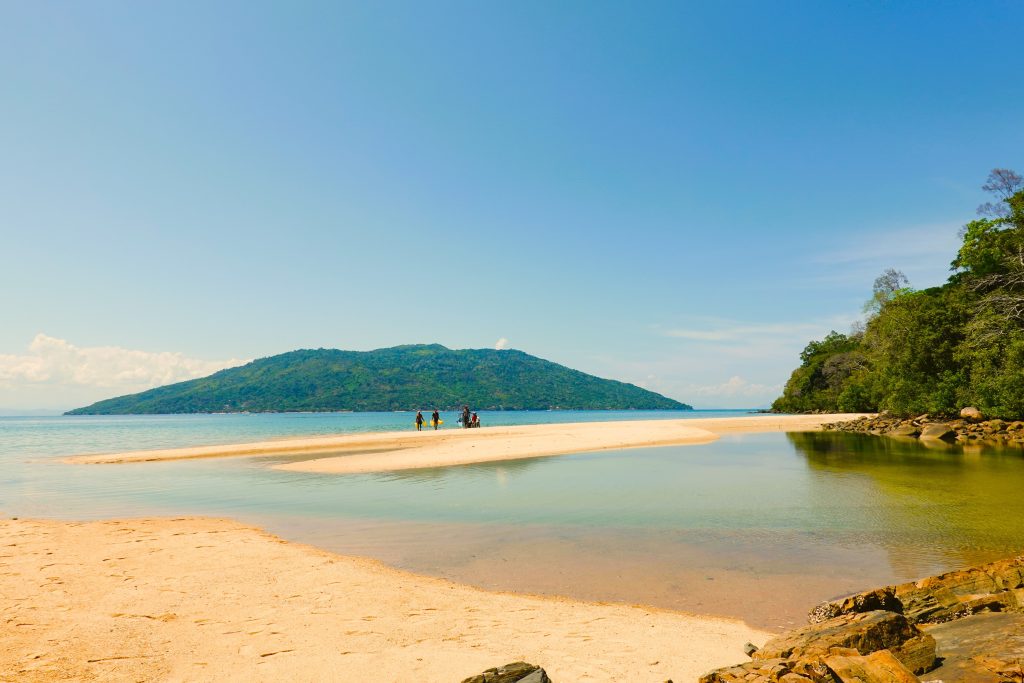
The complication is season. Whale watching between July and September overlaps the good conditions, so travellers can do both from the same base, but the wet months from December to March bring rough seas and cyclone exposure that shut the coast down.
Marine Life You Will See
Coral cover varies by site and is healthiest where reserves have been established long enough for recovery. Tanikely, Nosy Hara and the Masoala reserves are the strongest.
Green and hawksbill turtles are the reliable large animals, seen year-round while snorkelling and nesting seasonally at Nosy Iranja and Baie de Baly. Reef fish, moray eels, rays, lobsters and octopus fill out the everyday list.
Manta rays pass through the northern archipelago. Whale sharks appear off Nosy Be in the later months of the year, and swimming with them is permitted since they are filter-feeding fish rather than whales.
Humpback whales are a boat-based activity rather than a swimming one, passing between roughly July and September, with Île Sainte-Marie the most reliable viewing anywhere in the Indian Ocean.
Kitesurfing, Sailing and Other Watersports
Sakalava Bay near Diego Suarez is the best kitesurfing spot in Madagascar, driven by the Varatraza trade wind that blows reliably from May to November. Schools and lodges operate at the bay and cater to all levels.
The Emerald Sea gives experienced riders twelve kilometres of flat lagoon for downwinders, with reef waves at the far end. Ifaty and Anakao in the southwest also have wind, and Vinanibe near Fort Dauphin has a genuine surf break.
Sea kayaking works at Masoala, along the Emerald Sea and around the Nosy Be archipelago. Deep-sea fishing charters run from Toliara, Ifaty, Nosy Be and Île Sainte-Marie for tuna, marlin, barracuda and dorado.

Reef-safe sunscreen matters more here than at most destinations, given the coral immediately offshore at Tanikely, Ifaty and the Masoala reserves. Taking shells, coral or sand from marine parks is prohibited and exporting them is illegal. Standing on coral kills it, so use a flotation aid rather than resting your feet if you are not a confident swimmer.
Best Time for Diving and Snorkelling
Water clarity and sea conditions run differently from the wildlife calendar, so a trip built around reefs may want different dates from one built around parks.
October and November. The strongest window overall, with warm water, calm seas and the best visibility. Whale sharks appear off Nosy Be. Fewer visitors than the mid-year peak.
April to June. Seas settling after the rains, good visibility and quiet sites. Comfortable temperatures. A reliable shoulder window across all three regions.
July to September. Humpback whales along every coast. In the far north the Varatraza trade wind makes boat crossings rough and stirs up the shallows, so kitesurfers gain what snorkellers lose.
December to March. Warmest water and calmest conditions in the far north around the Emerald Sea, with the best clarity there. Cyclone exposure elsewhere, particularly on the east, where crossings cancel.
Frequently Asked Questions
Where is the best snorkelling in Madagascar?
Nosy Tanikely for the combination of protected reef, easy beach access and reliable turtles. Ifaty and Mangily for the barrier reef 200 metres offshore. Masoala for snorkelling straight off a rainforest beach with around a hundred coral species. All three work without a certificate.
Is the diving good?
Good rather than world-class, and undeveloped, which some divers rate as the point. Nosy Be has the most operators and the widest choice of sites. Coral cover varies and is healthiest inside long-established reserves. Divers comparing Madagascar with the Red Sea or Southeast Asia will find fewer facilities and fewer people.
What does it cost?
Nosy Be day excursions covering Tanikely and Komba run around 300,000 Ariary per person including boat, guide and lunch. Emerald Sea transfers are roughly 40,000 to 60,000 Ariary depending on departure point. Scuba is priced per dive through the operators and costs considerably more than snorkelling. Bring your own mask where you can.
When should I go?
October and November for the best all-round conditions, with warm water, calm seas and good visibility. April to June is a reliable shoulder. July to September brings whales but also the trade winds in the north, which stir up the shallows. The far north around the Emerald Sea is clearest from November to March.
Can I swim with whale sharks?
Yes, off Nosy Be in the later months of the year. They are filter-feeding fish rather than whales, and swimming with them is permitted where humpback watching is boat-based only. Operator conduct varies considerably, so ask how many people they put in the water at once and how they manage distance.
Do I need my own equipment?
Rental is available at the established operators and is usually included on organised excursions, but quality is inconsistent, particularly along the southwest coast. A mask that fits properly makes more difference than anything else you could bring. Bring reef-safe sunscreen, which is hard to buy locally.
Are there sharks?
The Bay of Antongil around Masoala has a reputation for them and guides will direct you where to swim. The east coast near Toamasina is unsafe for swimming for this reason among others. The northern and southwestern reef sites are used routinely without incident. Follow local advice rather than general assumptions.
Can I combine reefs with wildlife?
Easily. Nosy Be pairs with the northern parks at Ankarana and Amber Mountain. Ifaty and Anakao sit at the end of the RN7 after Ranomafana and Isalo. Masoala combines rainforest and reef in one place, which no other Malagasy destination does, though it needs a week and boat access that depends on weather.
Planning Your Trip
Diving in Madagascar suits travellers who want reefs without crowds and are prepared for limited infrastructure. Snorkelling is the stronger proposition for most visitors, since the best sites work straight off the beach and need no certification or equipment.
Booking Your Madagascar Trip
The safari companies and tour operators listed on this website put trips like this together for a living and know which camps, guides and routes actually deliver. We are an independent guide to Madagascar; we do not book or sell tours ourselves.
When you are ready, arrange your safari, tour or holiday with one of the recognised operators listed here. Tell them your dates and what matters most, and a real person, not a form, will handle the itinerary, park bookings and logistics for you.