Ifaty and Mangily
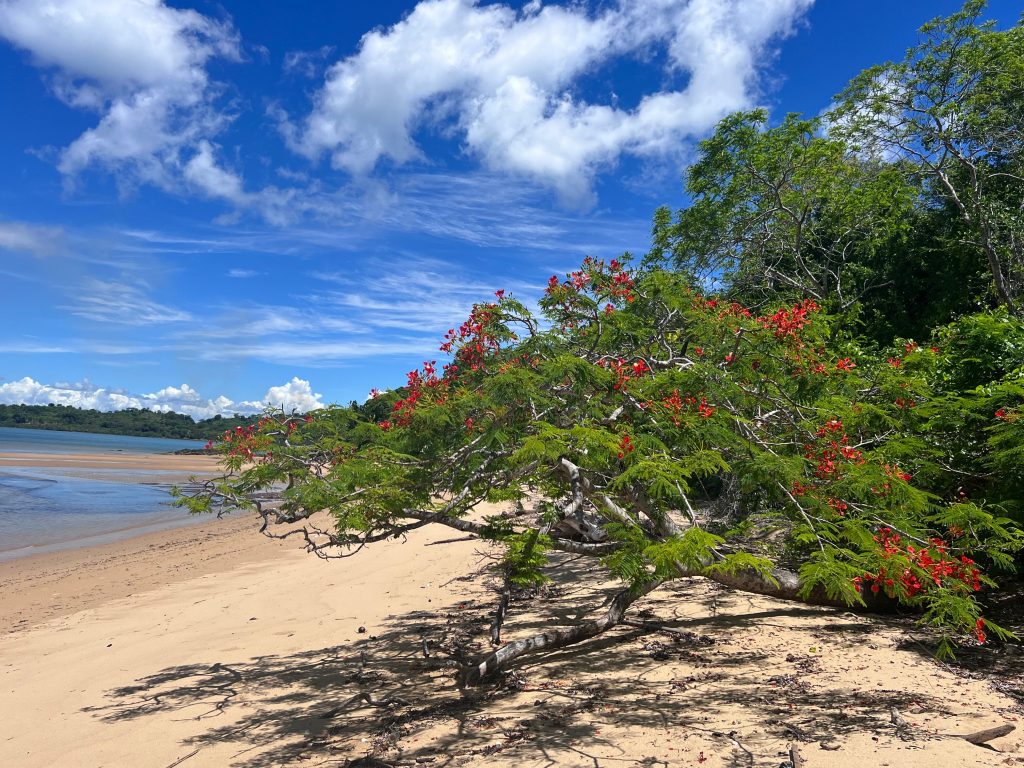
Ifaty and Mangily sit 27 to 30 km north of Toliara at the end of the RN7, with a coral reef roughly 200 metres offshore making snorkelling straightforward from the beach. Behind them stands spiny forest holding baobabs and the long-tailed ground-roller. This is where the southern circuit finishes, and it delivers reef and desert botany in the same afternoon.
The Reef and Snorkelling
The reef running off this coast is the longest in Madagascar, sometimes called the great barrier reef of Toliara, and at Ifaty it sits close enough to shore that snorkelling needs no boat.
Water is warm and shallow inside the reef, and the fish life is good though coral condition varies by site. Scuba operators work the outer reef, and the diving here is considerably less developed than around Nosy Be.
Bring your own snorkel gear if you have it. Rental quality along this coast is inconsistent, and a mask that fits properly makes more difference than anything else.
Boat trips run to the outer sites and to sandbanks, arranged through hotels or directly with local operators on the beach. Agree the price before departing.
Whale watching runs from Ifaty during the mid-year months when humpbacks pass along the coast, with animals in transit rather than gathered, so sightings are less predictable than at Sainte-Marie.
Ask any operator how they handle distance and how many boats will be on a sighting before booking. Compliance with observation guidelines varies along this coast, and it affects both the animals and what you actually see from the boat.
Reef 200 metres offshore and spiny forest immediately behind. Ifaty puts two entirely different systems within a few hundred metres of each other.
Reniala Reserve and the Spiny Forest
Reniala Nature Reserve on the road toward Ifaty protects spiny forest with baobabs and a tortoise village, and offers guided walks through vegetation that looks like nothing else on earth.
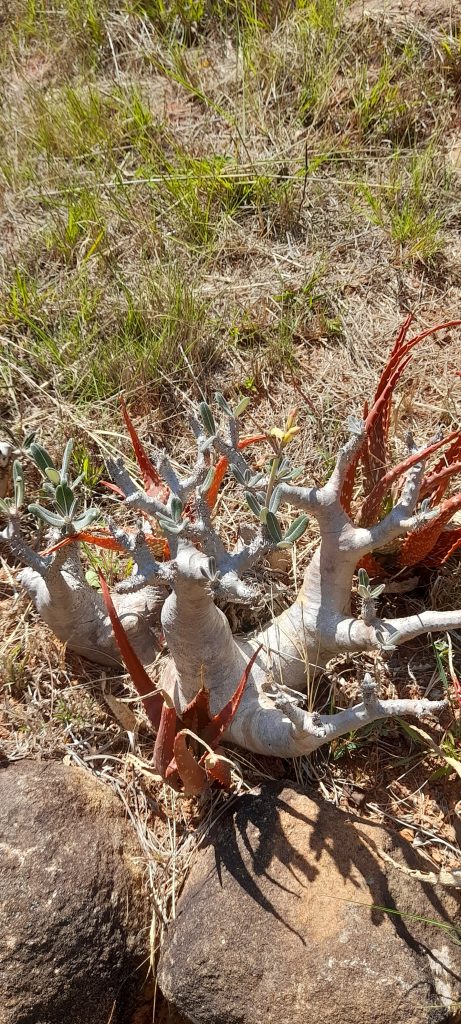
The Didiereaceae family, the octopus trees and their relatives, occurs only in southern Madagascar. Stems rise in ranks covered in thorns, storing water in swollen trunks and defending it with spines, looking superficially like cacti and entirely unrelated to them.
Birding here is good, with several southwest endemics including the long-tailed ground-roller and the subdesert mesite, both of which occur in this thicket and almost nowhere else. Birders build Ifaty into itineraries for exactly this.
The reserve name comes from renala, mother of the forest, the Malagasy name for the baobab.
Go early. This is arid country and the thicket becomes uncomfortable by mid-morning.
Radiated tortoises are kept at the reserve’s tortoise village, part of a conservation effort responding to heavy poaching of the species for the international pet trade. They are critically endangered and Tsimanampetsotsa further south holds one of the important remaining wild strongholds.
Honko Mangrove Reserve
The Honko community mangrove reserve, on the same road, runs guided boardwalk tours through mangrove supporting crabs, waders and juvenile fish.
It is community-managed with fees funding the local association, which makes it one of the more direct ways visitor money reaches people on this coast.
Mangroves function as nurseries for reef species and as coastal protection, and the tour explains both without labouring the point.
An hour or two covers it, and it combines naturally with Reniala into a morning that takes in two habitats before the heat.
Ifaty and Mangily. Beach hotels, reef 200 metres offshore, spiny forest reserves behind. Reached by rough road from Toliara in under an hour. Where most RN7 trips finish.
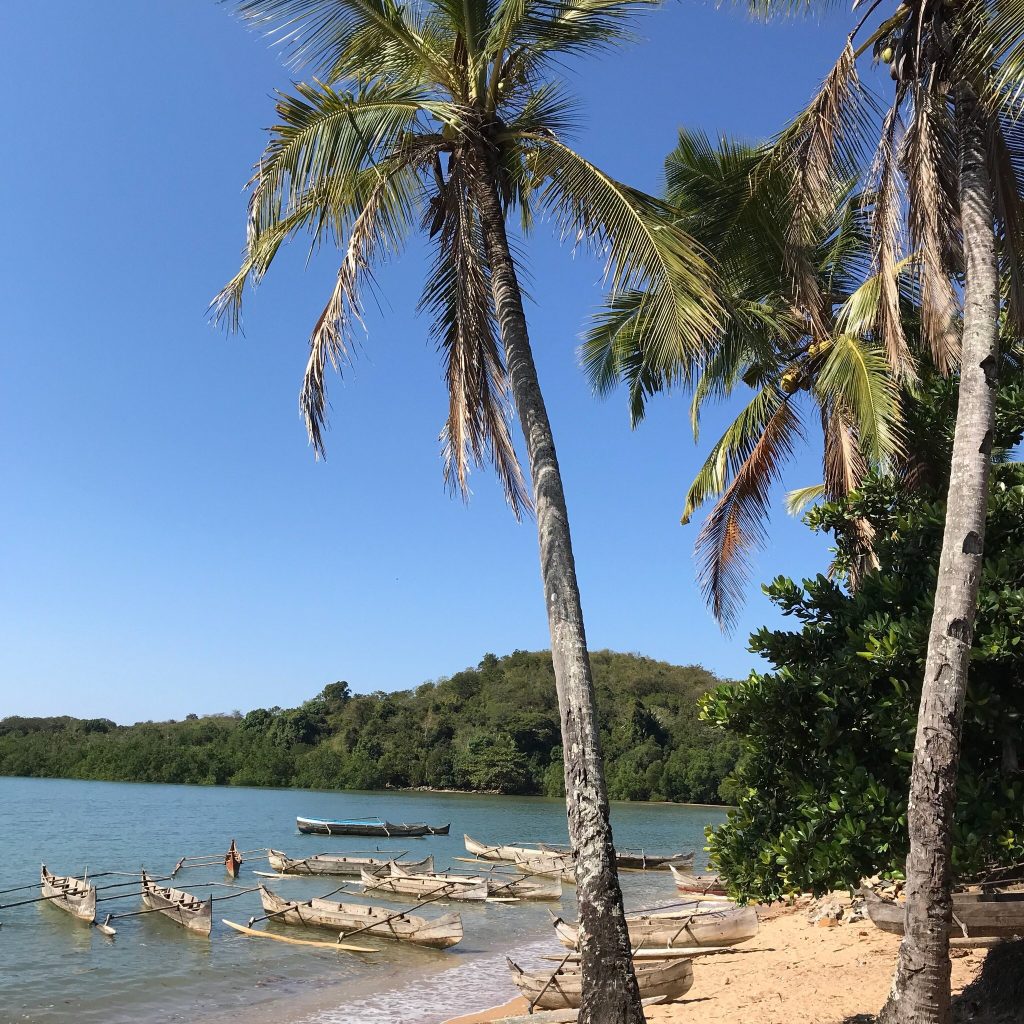
Anakao. An hour south by boat from Toliara. Vezo fishing village with beach lodges, access to Nosy Ve for seabirds and inland to Tsimanampetsotsa. Quieter and harder to reach.
Salary Bay and Andavadoaka. Further north with progressively fewer visitors and less infrastructure. For travellers wanting genuine isolation on this coast.
Getting There from Toliara
The road north from Toliara covers 27 to 30 km and takes considerably longer than the distance suggests, being rough throughout. A four-wheel drive or at least high clearance is sensible.
Transfers are usually arranged through lodges, which is simpler than negotiating a taxi that may or may not want to take the track.
Toliara itself has an airport with flights from Antananarivo, and the RN7 arrives there from the highlands. The city has no swimming beach worth the name, which is why visitors transfer straight to the coast.
Further north the track continues to Salary Bay and Andavadoaka with progressively worse road and fewer visitors.
Accommodation at Ifaty and Mangily runs from simple beach hotels to more comfortable properties, all of them modest by international standards and reasonably priced.
Most sit directly on the sand with restaurants attached, and several arrange the reef trips, the spiny forest walks and transfers to the Antsokay Arboretum, which is simpler than assembling the pieces separately.
There is no bank at Ifaty. Draw cash in Toliara before heading north, enough for the lodge, the reserves, boat trips and tips, since everything on this coast is cash in Ariary.
This is the driest and hottest part of Madagascar, receiving under 500 mm of rain a year in places with a dry season running seven to nine months. Walking in the spiny forest reserves is a morning activity rather than an all-day one, and the reef is the sensible way to spend the middle of the day. Sun protection matters more here than anywhere else in the country.
Antsokay Arboretum
The Antsokay Arboretum sits about 12 km east of Toliara on the road back toward the RN7, and is the best introduction to southwestern botany available anywhere in Madagascar.
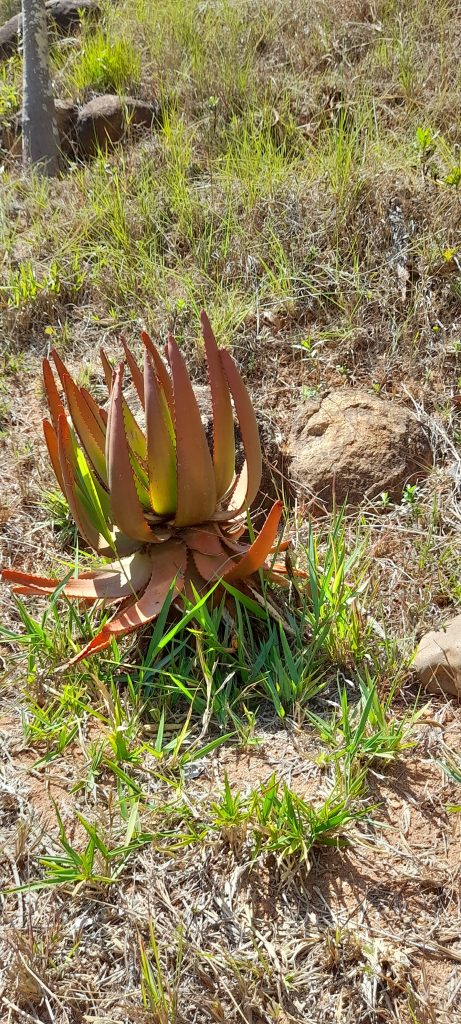
Founded by a Swiss botanist, it holds over 900 plant species from the region, around 90 percent of them found nowhere else and a large proportion with recorded medicinal uses.
The walk takes roughly two hours on uneven paths, and the English-speaking guides are genuinely well informed rather than reciting a script. Lemurs, radiated tortoises, chameleons and birds turn up along the way.
There is a small museum and restaurant on site. Go early, since temperatures climb fast and shade is limited.
For anyone finishing the RN7 at Toliara, this and Reniala together explain the spiny forest better than any park circuit.
Salary Bay, Andavadoaka and the Coast North
The track continues north from Ifaty with progressively worse road and progressively fewer visitors, which is the trade-off travellers on this coast weigh.
Salary Bay sits several hours north on rough track, with a handful of lodges and reef offshore. Access is the barrier and the appeal in equal measure.
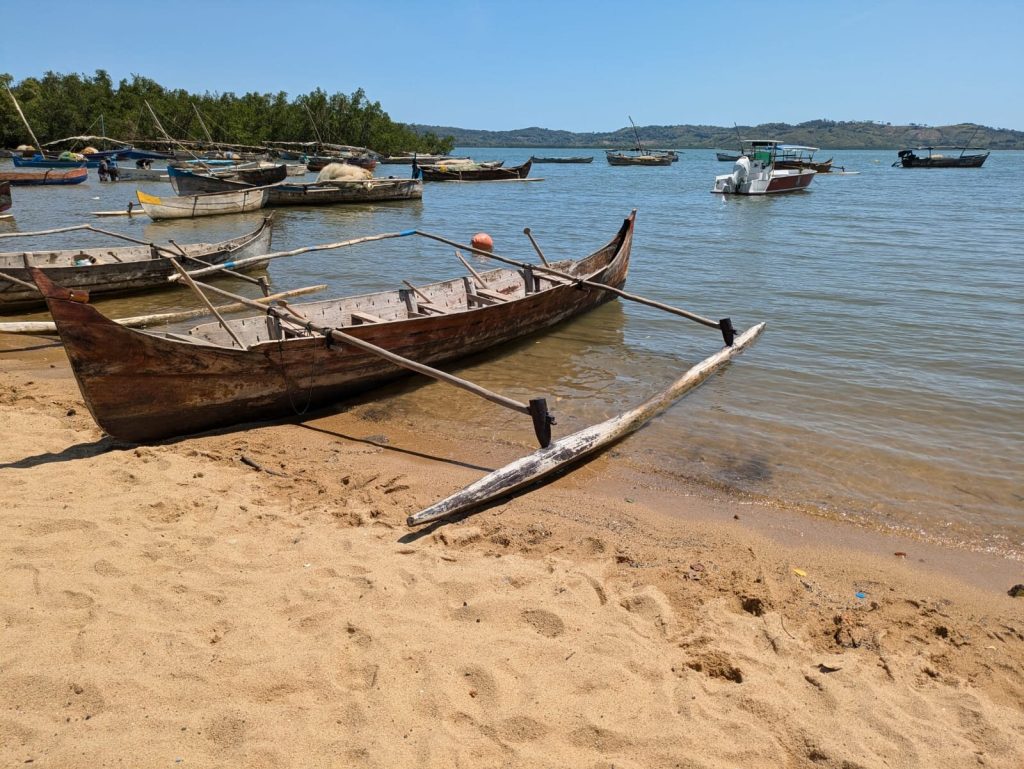
Andavadoaka is further still, a fishing village that has become known for community-led marine management, with locally established no-take zones that have measurably improved octopus catches and been copied along the coast.
Both are for travellers with time and a four-wheel drive, or willing to arrange boat transfers. Neither works as a day trip from Ifaty.
What they offer is coastline with almost no development at all, in a country where that is already the norm and here taken further.
Best Time to Visit
The southwest is arid year-round with heat rather than rain the limiting factor.
April to June. After what little rain the region receives, temperatures ease and conditions are comfortable for the spiny forest walks. Quiet on the coast and good value.
July to September. The most pleasant months, cooler and dry, and the window for humpback whales passing offshore. Busiest period as RN7 traffic arrives and coastal lodges fill.
October and November. Warming quickly with excellent underwater visibility and reptiles active. Fewer visitors than mid-year. Midday becomes hard work in the thicket.
December to March. Hottest months with the year’s brief rain, mostly short storms. Reef conditions remain good and prices drop. Tracks to the outlying reserves can wash out.
Frequently Asked Questions
How do I get to Ifaty from Toliara?
The road north covers 27 to 30 km and takes longer than the distance suggests, being rough throughout. A four-wheel drive or at least high clearance is sensible. Transfers arranged through lodges are simpler than negotiating a taxi that may not want the track.
Is the snorkelling good?
Yes, with the reef roughly 200 metres offshore making it straightforward from the beach. Water is warm and shallow inside the reef and the fish life is good, though coral condition varies by site. Bring your own mask, since rental quality along this coast is inconsistent.
What is the spiny forest?
Vegetation found only in southern Madagascar, dominated by the endemic Didiereaceae family. Octopus trees rise in ranks of thorn-covered stems storing water in swollen trunks, looking superficially like cacti and unrelated to them. Reniala Reserve and the Antsokay Arboretum are the accessible places to see it.
Can I see the long-tailed ground-roller?
Yes, in the spiny thicket around Ifaty, where it occurs alongside the subdesert mesite. Both are found in this habitat and almost nowhere else, which is why birders build Ifaty into southern itineraries. Ask for a bird guide, since both are located by call and by knowing the territories.
Should I stay at Ifaty or Anakao?
Ifaty for easier access by road, the reef straight off the beach and the spiny forest reserves behind. Anakao for quieter beaches, a Vezo fishing village atmosphere and access to Nosy Ve and Tsimanampetsotsa, reached by boat from Toliara in about an hour.
What does it cost?
Beach hotels at Ifaty and Mangily run at moderate rates, modest by international standards. Antsokay Arboretum charges around 15,000 Ariary entry. Reniala and Honko charge their own modest fees. Boat trips are negotiated locally, so agree prices before departing. Hiring a taxi from Toliara for a day out is the main expense.
When is the best time?
July to September for the most comfortable temperatures and the whale season offshore. April to June for quiet conditions and good value. October and November bring excellent underwater visibility with fewer visitors. Any month works for the reef; the spiny forest walks are morning activities year-round.
Is it worth staying more than a night?
Two or three nights lets you snorkel, walk Reniala and Honko in the mornings, visit the Antsokay Arboretum and rest after the RN7. Most travellers arriving overland have been driving for a week and the coast is where the trip stops rather than continues.
Planning Your Trip
Ifaty is where the southern circuit ends, and its value is the combination rather than either half. Reef in the middle of the day, spiny forest in the mornings, and a genuinely strange botany that the rest of the RN7 does not prepare you for.
Booking Your Madagascar Trip
The safari companies and tour operators listed on this website put trips like this together for a living and know which camps, guides and routes actually deliver. We are an independent guide to Madagascar; we do not book or sell tours ourselves.
When you are ready, arrange your safari, tour or holiday with one of the recognised operators listed here. Tell them your dates and what matters most, and a real person, not a form, will handle the itinerary, park bookings and logistics for you.