Salary Bay and the Coast North of Ifaty
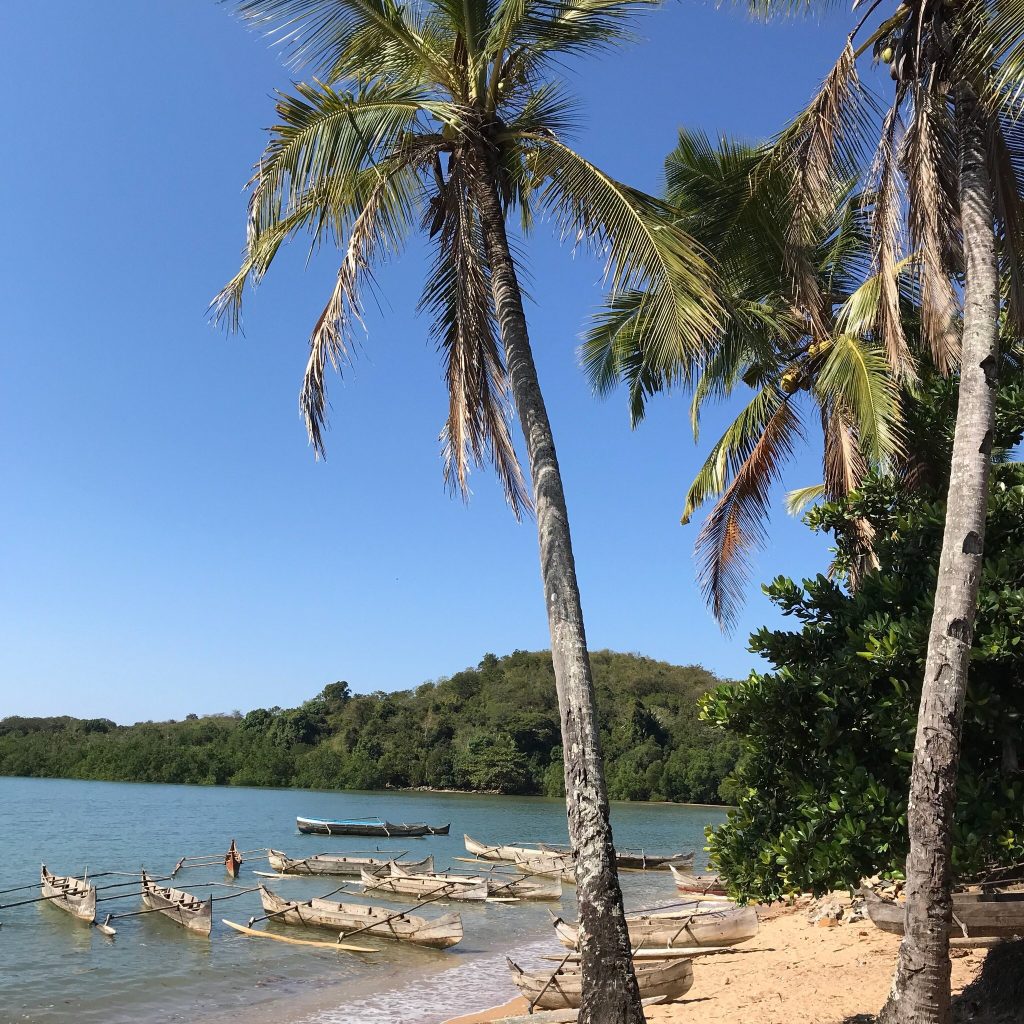
Salary Bay lies several hours north of Ifaty on rough track, a stretch of empty coast with reef offshore and a handful of lodges. Further on sits Andavadoaka, a Vezo fishing village known for community-led marine management. This is the least developed part of Madagascar’s southwest coast, and the road is the reason.
Getting There
The track north from Ifaty is the defining feature. It deteriorates progressively, and reaching Salary Bay takes several hours in a four-wheel drive over sand and rough surface.
Some lodges arrange transfers by boat from Toliara or Ifaty, which avoids the road entirely and is worth asking about, though it depends on sea conditions.
Charter flights serve some properties, which removes the problem at considerable cost.
Andavadoaka is further north again and correspondingly harder to reach, with the same options applying.
Neither works as a day trip from Toliara or Ifaty. These are places to stay for several nights or not go at all.
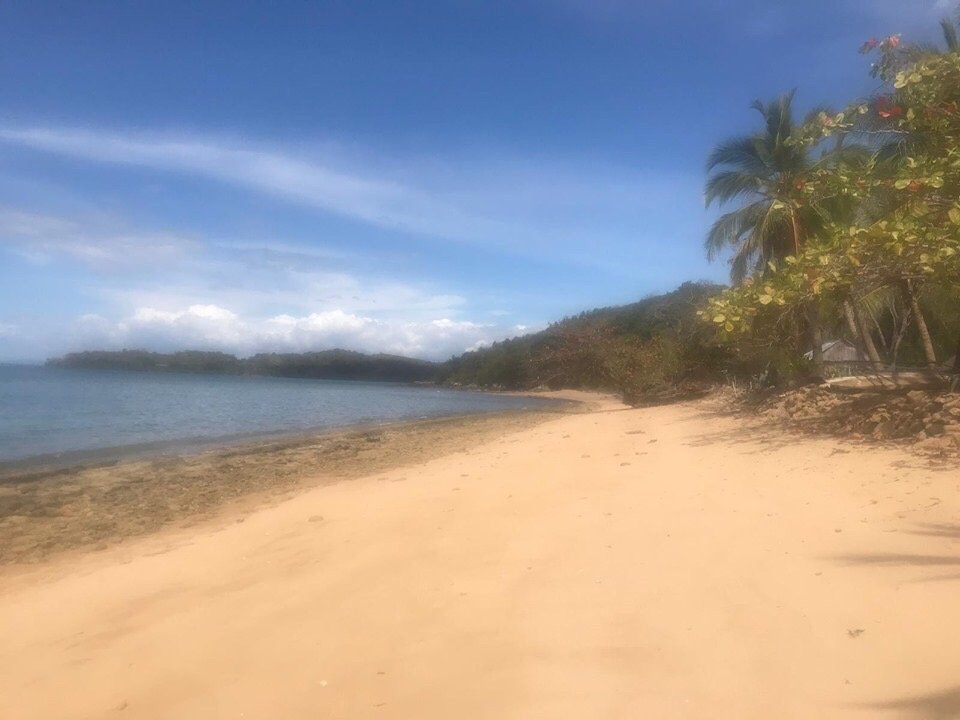
Several hours of sand track north of Ifaty for coast with almost nothing built on it. The road is what keeps it that way.
What Is There
The appeal is emptiness. Long beaches, reef offshore and lodges spaced far enough apart that you will not see another property from yours.
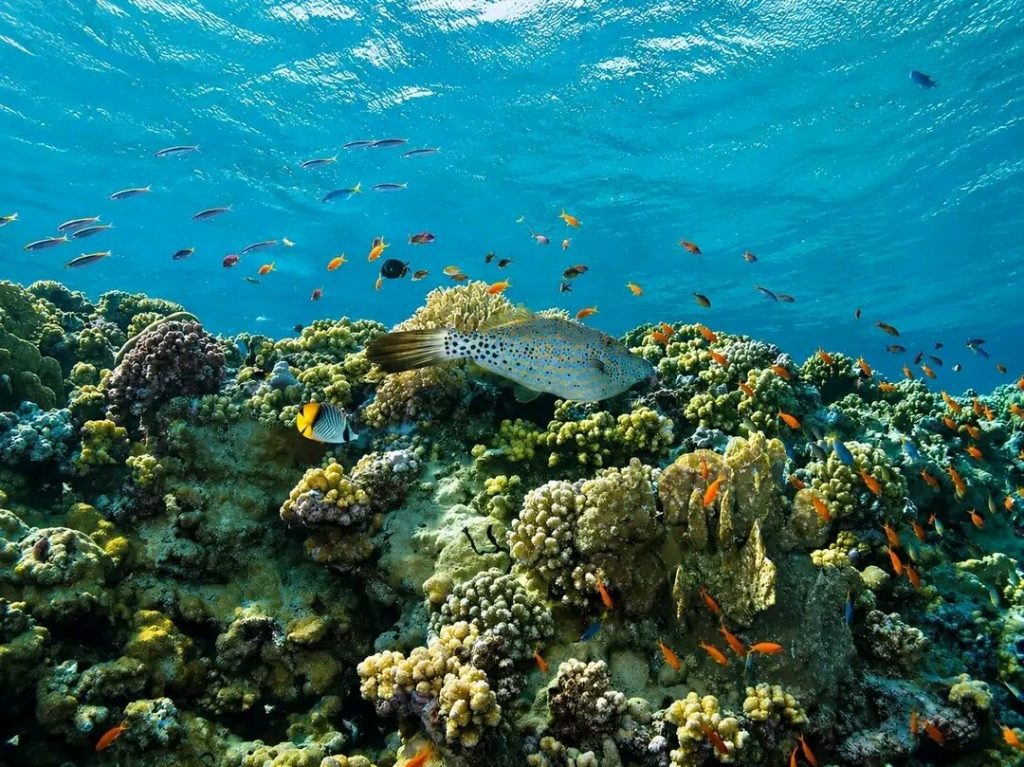
Snorkelling and scuba work the reef, which sees a fraction of the boat traffic that Ifaty and Nosy Be receive. Operators are attached to lodges rather than operating independently.
Spiny forest runs behind the coast, the same Didiereaceae-dominated vegetation found at Reniala and Mikea, with octopus trees and baobabs.
Vezo fishing villages sit along the shore, and the pirogues are working boats. Fishing remains the main livelihood.
What is not there is infrastructure. No banks, no shops beyond basics, limited power and no medical facilities within reach.
Andavadoaka and Community Marine Management
Andavadoaka is worth knowing about beyond its beaches, since it became a reference point for community-led marine conservation in the western Indian Ocean.
Local communities established temporary closures on octopus fishing grounds, allowing stocks to recover before reopening. Reported results were strong enough that the model spread along the coast and into other countries in the region.
The model works because it aligns conservation with fishing income rather than against it, in a region where coastal communities depend entirely on the sea.
Locally managed marine areas now cover substantial stretches of this coastline as a result.
For visitors this is context rather than an attraction, though lodges in the area will explain it and some work directly with the community organisations.

Ifaty and Mangily. 27 to 30 km north of Toliara on rough road, reef 200 metres offshore, spiny forest reserves behind, beach hotels and dive operators. Where most RN7 trips finish.
Salary Bay and Andavadoaka. Several hours further north on worse track, almost no development, reef with no boat traffic. For travellers who want isolation and have the days to reach it.
The Reef and Diving
The reef running along this coast is part of the same system as the Toliara barrier reef, sometimes described as the great barrier reef of Madagascar.
Condition varies, and the northern stretches see considerably less pressure than the sites near Ifaty and Toliara where boat traffic and fishing concentrate.
Snorkelling works from the beach at some lodges and from boats at others, depending on where the reef sits relative to the property.
Scuba is arranged through lodges rather than dedicated dive centres, which means fewer sites and less flexibility than Nosy Be offers.
Bring your own mask. Rental quality along this coast is inconsistent and there is nowhere to replace anything.
Whale watching runs during the mid-year months when humpbacks pass along the southwest coast, arranged through lodges rather than dedicated operators. Animals are in transit rather than gathered, so sightings are less predictable than at Sainte-Marie.
Turtles occur along this coast and are seen while snorkelling, though the reliable sites for them are further north around Nosy Be at Sakatia and Tanikely.
Practicalities
Everything comes with you or comes with the lodge.
There is no bank and no ATM anywhere along this stretch. Draw cash in Toliara before heading north, enough for the stay, any excursions and tips.
Power at most lodges runs on generators for limited hours, and hot water often follows the same schedule.
Phone coverage is patchy to absent and wifi unreliable where it exists at all. This is genuinely disconnected coast.
Medical facilities are hours away at best. Anyone with a condition requiring attention should factor that in, and evacuation insurance matters more here than at the developed beaches.
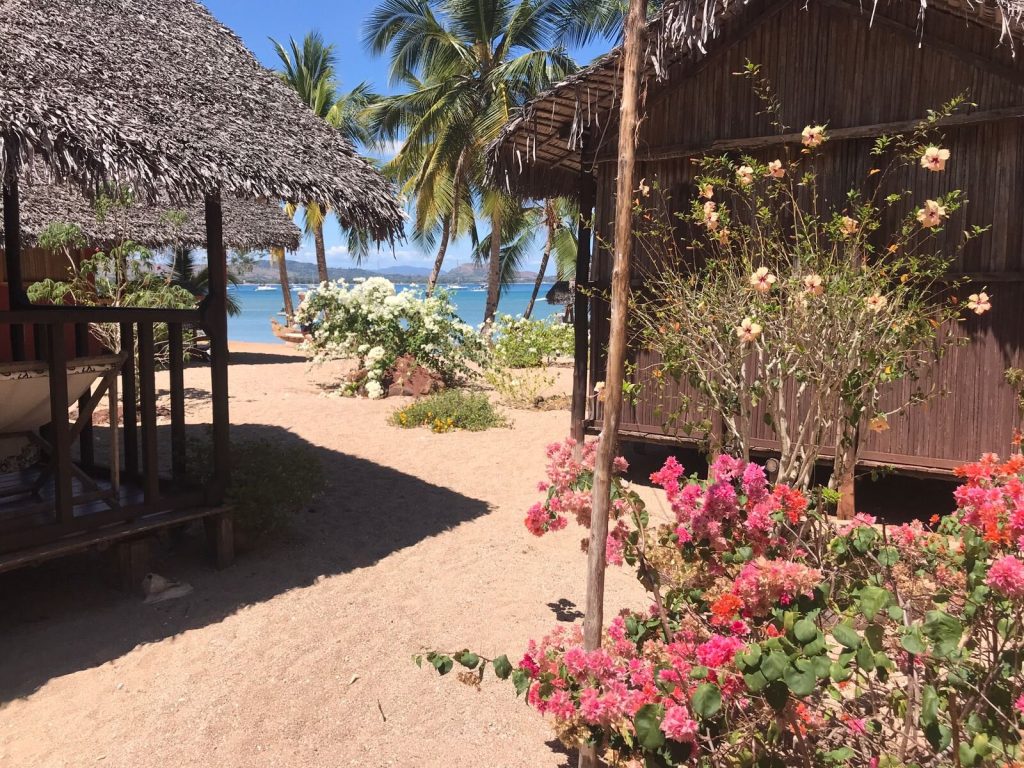
Most lodges include meals since there is nowhere else to eat, which should be factored into any price comparison.

This coast is a commitment rather than a stop. Several hours of rough track from Ifaty, no facilities beyond the lodges, and nothing that works as a day trip. Travellers with three or four nights and an appetite for isolation do well; anyone on a tight RN7 schedule should finish at Ifaty or Anakao instead and skip the drive north entirely.
Morombe and the Far North of the Coast
Beyond Andavadoaka the coast continues north toward Morombe, a small town near the mouth of the Mangoky river and the practical northern limit of this stretch.
The Mangoky is among the longest rivers in Madagascar and forms the northern boundary of Mikea National Park, carrying sediment from the interior out to the coast.
Morombe has an airstrip and basic accommodation, and functions as a supply point rather than a destination. Beyond it the coast becomes genuinely remote.
Travellers reaching this far are usually doing an extended coastal route rather than a beach stay, and the logistics need arranging with an operator rather than improvised.
The country inland is Mikea forest and spiny thicket, among the least visited habitat in Madagascar and holding species found nowhere else.
The Wider Southwest
Salary Bay sits within a stretch of coast that runs from Toliara north toward Morombe and eventually the Mangoky river mouth.
Mikea National Park lies inland from this coastline, holding the richest dry forest for reptiles anywhere with 65 species recorded, along with the long-tailed ground-roller and subdesert mesite. It is difficult to reach and has almost no infrastructure.
The Mikea people of that forest are among the last groups in Madagascar practising a hunter-gatherer way of life, and the park takes its name from them.
South of Toliara, Anakao is reached by boat and gives access to Nosy Ve and inland to Tsimanampetsotsa National Park.
The whole southwest is the driest part of Madagascar, receiving under 500 mm of rain a year in places with a dry season of seven to nine months.
Best Time to Visit
The southwest is arid year-round and the constraint is heat and road condition rather than rain.
April to June. Following what little rain the region receives, temperatures ease and the track north is at its most reliable. Quiet and comfortable, and the best all-round window.
July to September. Coolest and driest, with humpback whales passing offshore during this period. The busiest months on the southwest coast, though Salary stays quiet regardless.
October and November. Warm with excellent underwater visibility and reptiles active in the spiny forest. Very few visitors. Midday heat becomes considerable.
December to March. Hottest with the region’s brief storms, which can wash out the track north and cut access entirely. Reef conditions stay good and prices drop, but reaching the coast becomes unreliable.
Trip length matters more here than at any other Malagasy beach. Given hours of track each way, a two-night stay means most of your time is travel, and the lodges are set up for stays of four nights or more. Travellers who cannot commit that long are better served by Ifaty, which delivers comparable reef at a fraction of the effort.
Frequently Asked Questions
How do I get to Salary Bay?
Several hours north of Ifaty on rough track requiring a four-wheel drive, over sand and deteriorating surface. Some lodges arrange boat transfers from Toliara or Ifaty, which avoids the road and depends on sea conditions. Charter flights serve some properties at considerable cost. It does not work as a day trip.
Is it worth the drive?
For travellers with three or four nights who want genuine isolation and reef with almost no boat traffic, yes. For anyone on a tight RN7 schedule, no. Ifaty delivers comparable reef at 27 to 30 km from Toliara with far better access and the spiny forest reserves alongside.
What is there to do?
Snorkelling and scuba on reef that sees a fraction of the traffic further south, walking the beaches and the spiny forest behind, and visiting the Vezo fishing villages along the shore. Lodges arrange what activity there is. This is a place to stop rather than a place with a programme.
What is Andavadoaka known for?
Community-led marine management. Local communities established temporary closures on octopus fishing grounds to let stocks recover, and the reported results were strong enough that the model spread along the coast and beyond. Locally managed marine areas now cover substantial stretches of this coastline as a result.
Are there facilities?
Very few. No banks or ATMs anywhere along the stretch, so draw cash in Toliara. Power runs on generators for limited hours at most lodges with hot water on the same schedule. Phone coverage is patchy to absent. Medical facilities are hours away, so evacuation insurance matters.
Do lodges include meals?
Most do, since there is nowhere else to eat within reach. That should be factored into any price comparison, since a cheaper room with compulsory meals can total more than a dearer one somewhere with restaurants. Ask what is included before booking.
When should I go?
April to June for the most reliable track conditions and comfortable temperatures. July to September for cooler weather and humpback whales offshore. October and November for underwater visibility with very few visitors. December to March brings storms that can cut the road entirely.
How does it compare with Anakao?
Anakao is south of Toliara and reached by boat in about an hour, with a working Vezo village, Nosy Ve for seabirds and Tsimanampetsotsa inland. Salary is north on hours of track with less to do beyond the reef and the beaches. Anakao is easier to reach and has more around it.
Planning Your Trip
The coast north of Ifaty is for travellers who want nothing organised for them. Long beaches, unpressured reef and lodges spaced far apart, at the cost of hours on a sand track and no facilities to speak of.
Booking Your Madagascar Trip
The safari companies and tour operators listed on this website put trips like this together for a living and know which camps, guides and routes actually deliver. We are an independent guide to Madagascar; we do not book or sell tours ourselves.
When you are ready, arrange your safari, tour or holiday with one of the recognised operators listed here. Tell them your dates and what matters most, and a real person, not a form, will handle the itinerary, park bookings and logistics for you.