Anakao and Nosy Ve
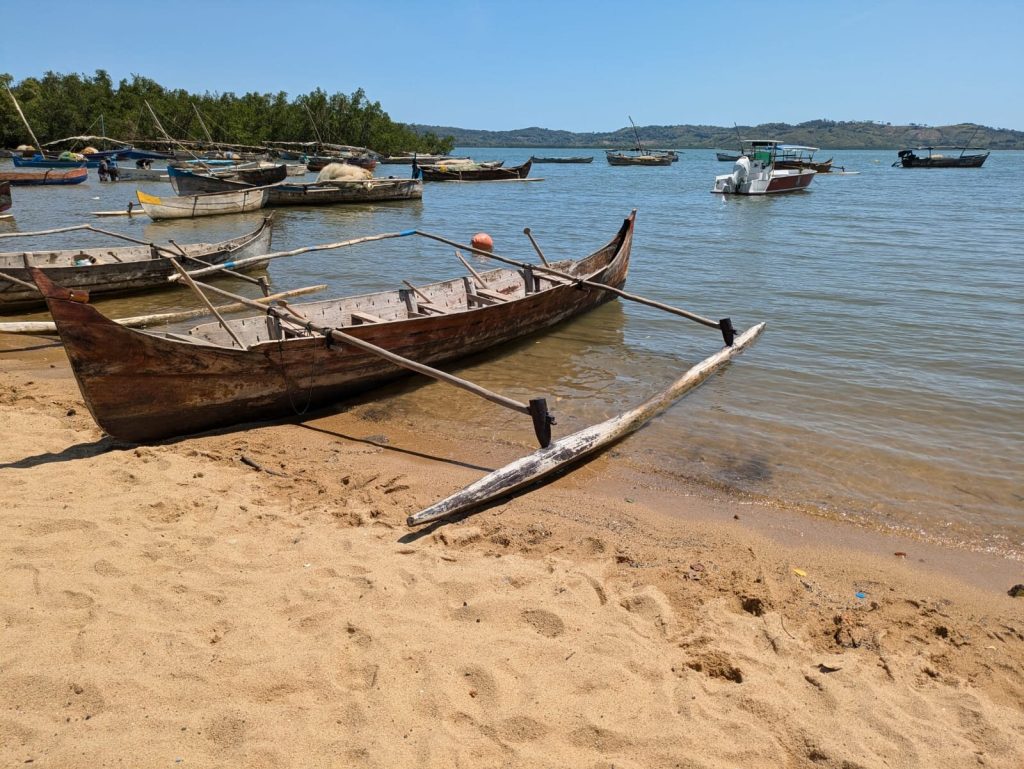
Anakao is a Vezo fishing village an hour south of Toliara by boat, with beach lodges, reef offshore and access inland to Tsimanampetsotsa National Park. Just offshore, Nosy Ve holds a breeding colony of red-tailed tropicbirds and is the accessible seabird site in Madagascar. It is quieter and harder to reach than Ifaty, which is the point.
Getting to Anakao
There is no practical road. Anakao is reached by boat from Toliara, taking around an hour, with departures in the morning and services weather dependent.
Book the transfer through your lodge rather than arranging it on arrival, since the boats run to lodge schedules rather than a public timetable.
The crossing is open water and can be choppy. Anyone prone to seasickness should take precautions, and trips are cancelled outright in rough conditions.
That difficulty is what keeps Anakao quiet. Where Ifaty is a rough drive north and gets the RN7 traffic finishing the southern circuit, Anakao requires a boat and correspondingly sees fewer people.
An hour by boat and no road at all. Anakao is quieter than Ifaty for exactly the reason it is harder to reach.
The Village and the Vezo
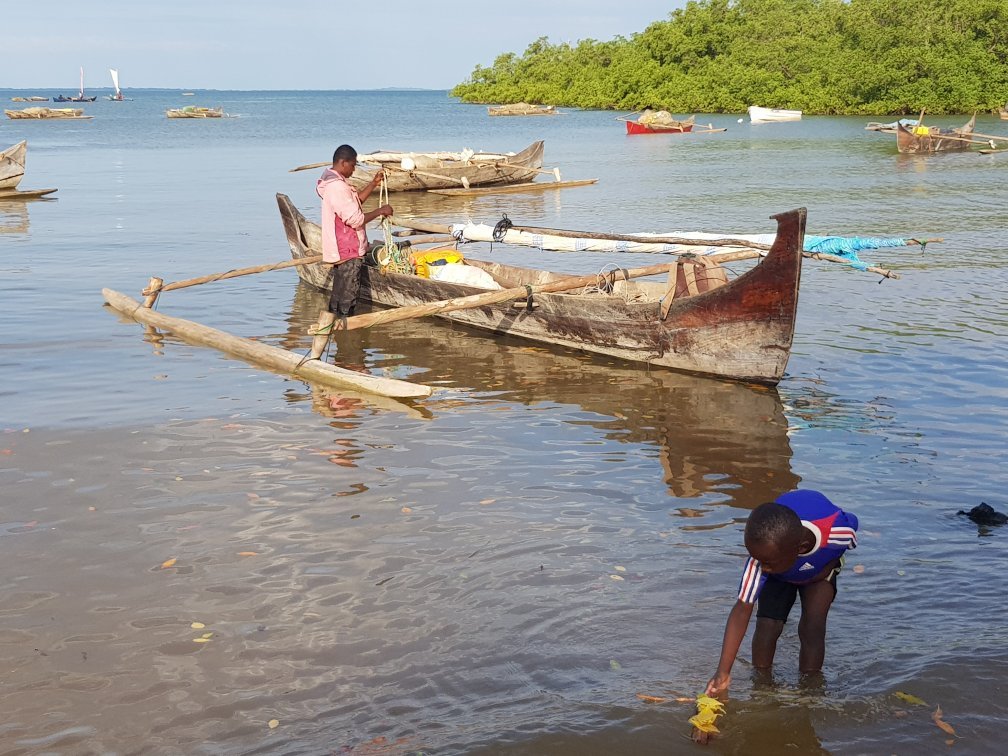
Anakao is a working Vezo fishing village rather than a resort strip. The Vezo are the sea people of the southwest, semi-nomadic along the coast, building and sailing outrigger pirogues they make themselves.
Their name means those who paddle, and identity here is defined by what you do rather than by descent. Fishing remains the main livelihood alongside the small tourism trade.
Pirogues drawn up on the sand are working boats, and the morning when the fleet goes out and the afternoon when it returns are the hours worth being on the beach.
Beach lodges sit along the shore, simple rather than luxurious, and the seafood arrives the same day it is caught.
Vezo communities along this coast have been central to marine conservation work in the southwest, with locally established no-take zones improving catches and being copied along the coast northward. Fishing and tourism sit alongside each other here rather than one displacing the other.
Nosy Ve
Nosy Ve is a small island a short boat ride offshore, and its significance is ornithological rather than scenic.
It holds a breeding colony of red-tailed tropicbirds, and is the accessible seabird site in Madagascar. The birds nest on the ground and are approachable, which makes this the one place in the country where seabird photography is straightforward.
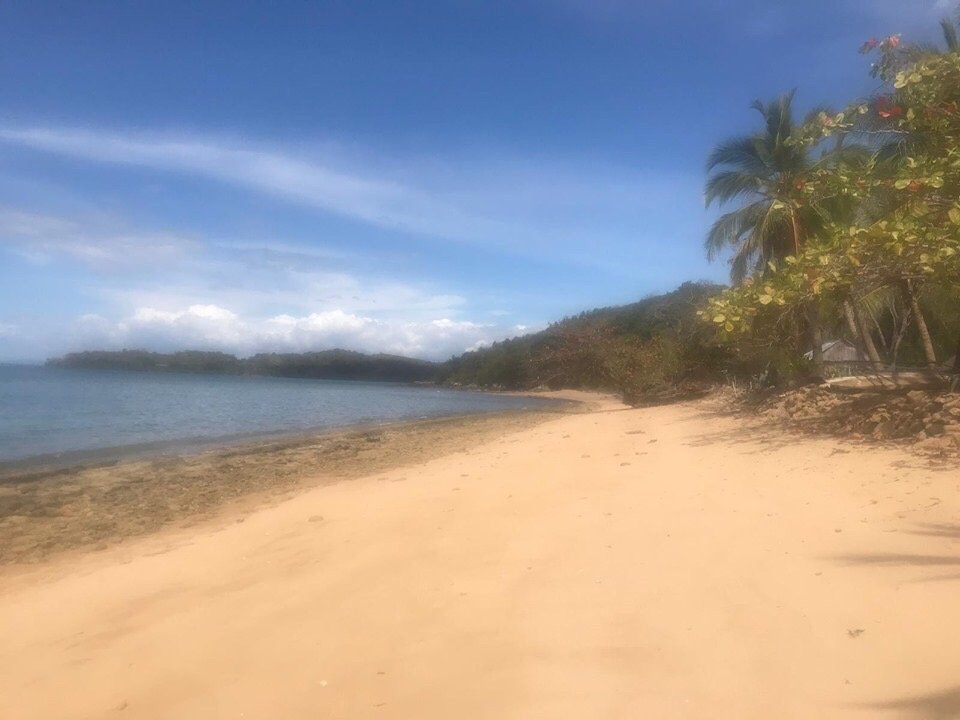
The island carries cultural significance for the Vezo, with restrictions attached, and guides will explain what applies before landing.
Reef surrounds it and snorkelling is good, with the water clearer than close inshore. Trips are arranged through lodges and take a half day including the crossing.
The island is small enough to walk in under an hour, and the tropicbirds nest close enough to the path that a long lens is unnecessary. Keep to the paths and follow the guide’s directions on where the nesting areas sit, since ground-nesting birds are vulnerable to disturbance in ways canopy species are not.
Tsimanampetsotsa National Park
Tsimanampetsotsa lies inland from Anakao and is the reason many visitors come this far south.
The park surrounds a shallow soda lake too saline to support fish, which is what the name means: the lake without fish. Greater and lesser flamingos fringe the shore in numbers.
Beneath the limestone run underground rivers holding blind cave fish, and the caves at Mitoho are the accessible ones. Ring-tailed lemurs drink from banyan roots dropped through a sinkhole, which is one of the more unusual sights in Madagascar.
The Grandmother baobab, a three-stemmed Adansonia rubrostipa, is much visited, with radiocarbon work on its oldest section suggesting around 1,600 years.
Grandidier’s mongoose is near-endemic to this park and its immediate surroundings, boldly marked and inquisitive enough that overnight visitors sometimes get good views. The caves close December to April because of flooding risk.
Anakao. Boat access only, quieter beaches, working Vezo village, Nosy Ve for seabirds and Tsimanampetsotsa inland. For travellers who want the southwest without the RN7 crowd.
Ifaty and Mangily. Road access from Toliara, reef 200 metres offshore, spiny forest reserves behind with the long-tailed ground-roller. Busier and easier, and where most southern circuits finish.
Snorkelling and the Reef
Reef runs offshore along this coast and snorkelling works both around Nosy Ve and from boats out of Anakao.
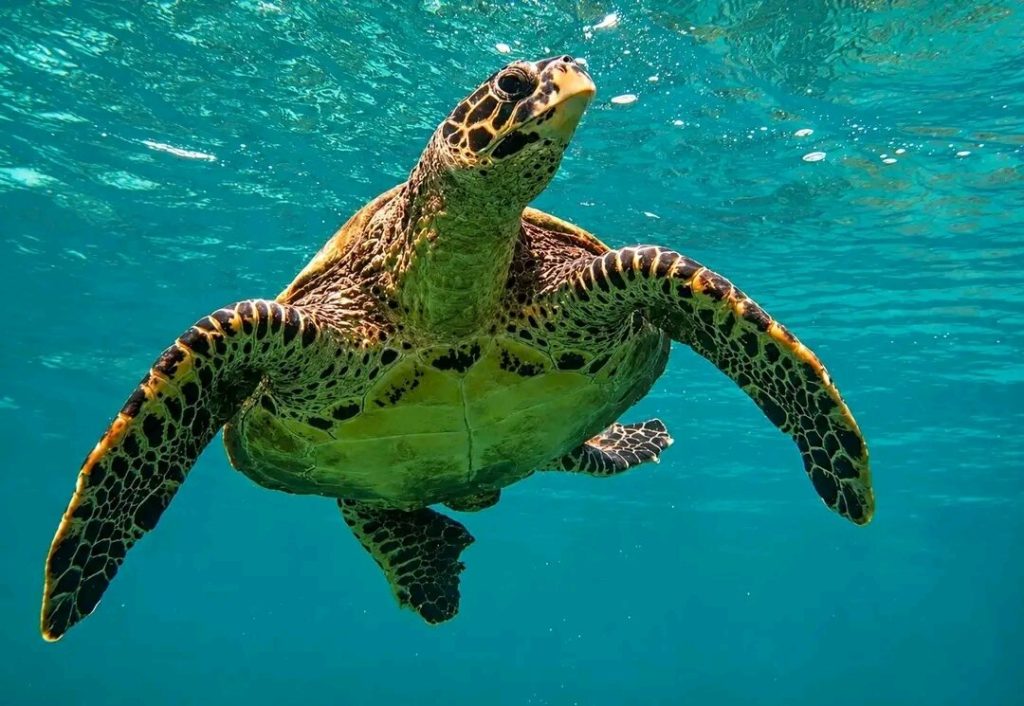
Visibility is better around the island than close inshore. Turtles, reef fish and rays are all present, and the sites see very few boats compared with the northern archipelago.
Scuba is available through lodges though the infrastructure is thinner than at Ifaty or Nosy Be. Bring your own mask given inconsistent rental quality.
Whale watching runs during the mid-year months when humpbacks pass along the coast. Vezo crews have long-standing knowledge of where the animals move, and trips arranged through them tend to be smaller and less crowded than the operator excursions.
Anakao has no bank, no ATM and limited supplies. Draw cash in Toliara before crossing, enough for the lodge, park fees at Tsimanampetsotsa, boat trips and tips. Park entry is 45,000 Ariary per adult per day with guides charged separately, and everything on this coast is cash in Ariary.
Where to Stay
Accommodation at Anakao runs from simple beach bungalows to a handful of more comfortable lodges, all of them directly on the sand.
Prices are moderate and considerably below Nosy Be. Several lodges include meals, since options beyond them are limited in the village.
Lodges arrange the boat transfer from Toliara, the Nosy Ve trip and vehicle access to Tsimanampetsotsa, which makes booking through one simpler than assembling the pieces separately.
Two or three nights covers Nosy Ve, a day at Tsimanampetsotsa and time on the beach. Longer suits anyone wanting to slow down at the end of a southern circuit.
Power at most lodges runs on generators for limited hours rather than mains supply, and hot water often follows the same schedule. Phone coverage is patchy and wifi unreliable where it exists at all.
The village has small shops for basics and little else. Anything specific should come from Toliara, including any medication, since the nearest pharmacy is across the water.
Saint Augustin Bay and Sarodrano
Between Toliara and Anakao sit two places worth knowing about, both passed on the boat crossing.

Saint Augustin Bay was a seventeenth-century English settlement attempt that failed badly, and the bay now holds fishing villages and a river mouth. It is reachable by road from Toliara on a rough track.
Sarodrano is a sand spit with a natural freshwater pool where a spring rises through the sand close to the sea, which is unusual enough to draw visitors on day trips from Toliara.
Neither justifies a stay, and both work as stops for travellers driving south rather than taking the boat. The road route to Anakao exists but is poor, which is why nearly everyone crosses by sea.
The country between is spiny forest and dune, part of the same arid system that Tsimanampetsotsa protects further south.
Best Time to Visit
The southwest is arid year-round and the constraint is sea conditions for the crossing rather than rain.
April to June. Seas settling, comfortable temperatures and few visitors. Good conditions for the crossing and for walking at Tsimanampetsotsa. A strong all-round window.
July to September. Coolest and driest, with humpback whales passing offshore. Busiest period as RN7 traffic reaches the coast. Book lodges ahead.
October and November. Warm with excellent underwater visibility and reptiles active inland. Quieter than mid-year. Midday heat becomes considerable at the park.
December to March. Hottest with the region’s brief rain. Tsimanampetsotsa’s caves close because of flooding risk, and the crossing can be rougher. Prices drop and the coast empties.
The boat schedule shapes a stay here more than anything else. Crossings run in the morning, which means arrival and departure days are both partly consumed by the transfer. A three-night booking gives you two full days on the ground, and anyone counting nights rather than days will find the stay shorter than expected.
Frequently Asked Questions
How do I get to Anakao?
By boat from Toliara, taking around an hour, with morning departures arranged through lodges rather than a public timetable. There is no practical road. The crossing is open water and cancels in rough conditions, so book through your accommodation and allow flexibility.
What is Nosy Ve?
A small island offshore holding a breeding colony of red-tailed tropicbirds, the accessible seabird site in Madagascar. The birds nest on the ground and are approachable. The island carries cultural significance for the Vezo with restrictions attached, and reef surrounds it with good snorkelling.
Is Anakao better than Ifaty?
Quieter and harder to reach, which suits some travellers and not others. Ifaty has road access, the reef 200 metres offshore and the spiny forest reserves with the long-tailed ground-roller. Anakao has a working Vezo village, Nosy Ve and Tsimanampetsotsa inland, with fewer visitors throughout.
Can I visit Tsimanampetsotsa from Anakao?
Yes, and it is the usual base. Lodges arrange vehicle access to the park, where a soda lake too saline for fish supports flamingos, ring-tailed lemurs drink from banyan roots through a sinkhole, and blind cave fish live in the limestone below. The caves close December to April.
What does it cost?
Beach lodges are moderate and well below Nosy Be prices, with several including meals since village options are limited. Boat transfers from Toliara are priced per trip. Tsimanampetsotsa entry is 45,000 Ariary per adult per day plus guide fees. There is no bank or ATM, so draw cash in Toliara.
How long should I stay?
Two or three nights covers Nosy Ve, a day at Tsimanampetsotsa and time on the beach. Longer suits travellers wanting to stop after a week of driving the RN7. The boat crossing means arrivals and departures are morning events, so allow for that in the count.
Is the snorkelling good?
Around Nosy Ve, yes, with better visibility than close inshore and very few boats. Turtles, reef fish and rays are present. Scuba is available through lodges though infrastructure is thinner than at Ifaty or Nosy Be. Bring your own mask given inconsistent rental quality.
Can I see whales?
Humpbacks pass along this coast during the mid-year months, with trips running from Anakao and Toliara. Animals are in transit rather than gathered, so sightings are less predictable than at Sainte-Marie. Vezo crews know where the whales move and their trips tend to be smaller than operator excursions.
Planning Your Trip
Anakao suits travellers who want the southwest coast without the traffic that finishes the RN7 at Ifaty. The boat crossing is the filter, and what sits behind it is a working village, a seabird island and one of the strangest national parks in Madagascar.
Booking Your Madagascar Trip
The safari companies and tour operators listed on this website put trips like this together for a living and know which camps, guides and routes actually deliver. We are an independent guide to Madagascar; we do not book or sell tours ourselves.
When you are ready, arrange your safari, tour or holiday with one of the recognised operators listed here. Tell them your dates and what matters most, and a real person, not a form, will handle the itinerary, park bookings and logistics for you.