Tsimanampetsotsa National Park
Tsimanampetsotsa National Park surrounds a shallow soda lake too saline to hold fish, fringed by flamingos and backed by spiny forest growing straight out of limestone. Visitors walk short circuits to caves holding blind fish, ancient baobabs and ring-tailed lemurs. The park lies south of Toliara in the sub-arid southwest, protects around 43,200 hectares, and belongs to the UNESCO-listed Andrefana Dry Forests.
Flamingo Watching Tours on the Tsimanampetsotsa Soda Lake
Flamingo watching tours along the lake shore are the signature of this park. The name translates roughly as the lake without fish, and the chemistry explains it: water saturated with calcium sulphate and salts that nothing swims in. What it does support is algae, and algae feeds flamingos.
Greater and lesser flamingos both gather here, sometimes in large flocks. The lake stretches around 15 to 20 km and sits shallow enough that colour shifts through the day from milky blue to pale green and pink, which is what visitors photograph even when the birds are distant.
The Andaka circuit runs along the shore and takes about an hour, built for exactly this. Madagascar plovers breed along the margins, a scarce bird that is one of the more sought-after finds in the south.
Mitoho Cave Tours and the Blind Fish
Cave tours at Mitoho are the other headline. Underground water has cut caves and sinkholes through the limestone of the Mahafaly plateau, and in the dark pools live blind cave gobies, pale fish that lost their eyes generations ago and navigate by sensing movement in the water.
Stalactites and stalagmites fill the chambers. The circuit is short and easy, suitable for anyone who can manage uneven ground, and the guides carry lamps.
Above the caves sits a banyan tree with roots dropping through a sinkhole to reach water far below. Ring-tailed lemurs come down those roots to drink, which is one of the odder wildlife sights in Madagascar when the timing works.
A lake with no fish, caves with fish that cannot see, and a fig tree drinking through a hole in the rock. Tsimanampetsotsa runs on water that behaves strangely.
Ring-Tailed Lemur and Sifaka Watching Tours
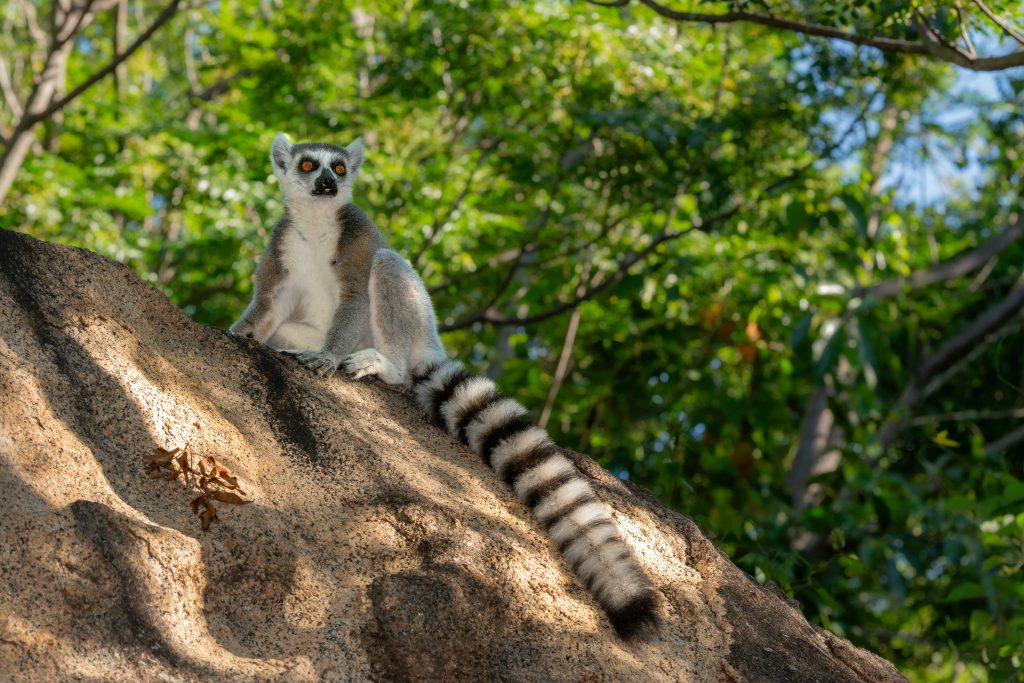
Lemur watching tours here cover four species, a short list by Malagasy standards but with reliable animals. Ring-tailed lemurs are the ones most people come for, moving in troops through the spiny thicket and down to water.
Verreaux’s sifaka occurs in smaller numbers, white-furred and given to crossing open ground upright in sideways bounds. White-footed sportive lemurs and grey-brown mouse lemurs make up the nocturnal pair.
Sightings depend heavily on season and on whether the trees are fruiting. Guides are straightforward about this, and visitors arriving in a lean month are sometimes told plainly that lemurs have been scarce that week.
Radiated Tortoise and Reptile Spotting Tours
Reptile spotting tours are where this park quietly excels. The radiated tortoise, Astrochelys radiata, is critically endangered and heavily poached across its range, and Tsimanampetsotsa is one of its more important remaining strongholds. The spider tortoise occurs here too.
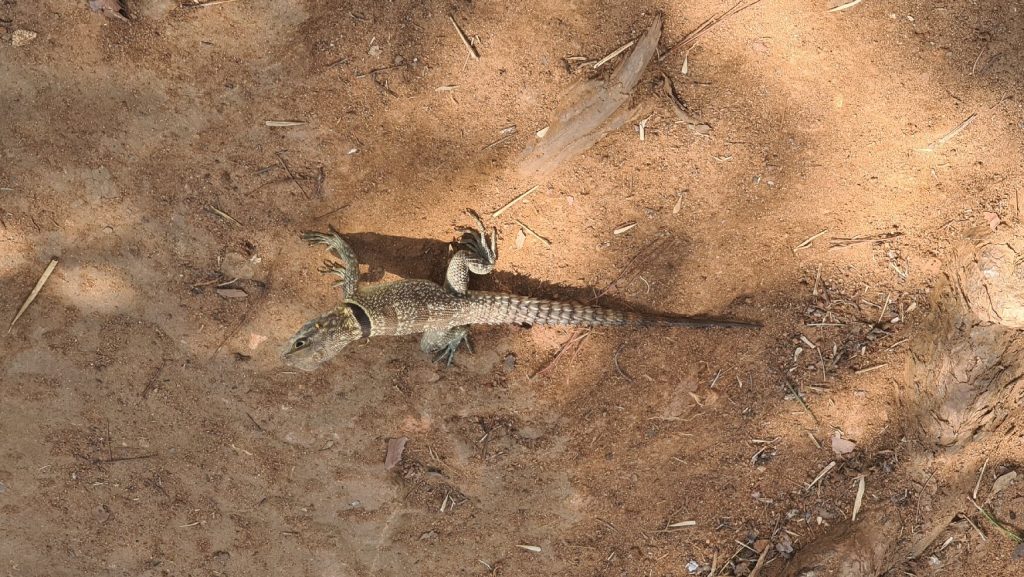
Jewel chameleons, thick-tailed day geckos and three-eyed lizards turn up on the circuits. Several geckos are local endemics known from very few sites.
The mammal to ask about is Grandidier’s mongoose, called votsotsa locally, a boldly marked carnivore restricted to this park and its immediate surroundings. It is active after dark and inquisitive enough that visitors staying overnight sometimes get good views.
Birding Tours Across the Lake and Spiny Thicket
Birding tours work two very different habitats within a short walk of each other, and over 100 species have been recorded. The lake margins hold waders, ducks, flamingos and the Madagascar plover.
The spiny thicket behind holds an entirely separate community. Five coua species occur, along with Archbold’s newtonia, Lafresnaye’s vanga and the red-shouldered vanga, which was only described relatively recently and has a small range in this part of the southwest.
Greater vasa parrots and Madagascar green pigeons arrive when the wild figs on the banyans come into fruit, which concentrates birds around the sinkhole area.

Baobab and Spiny Forest Walking Tours
Walking tours through the xerophilous thicket on the limestone plateau show plants built entirely around drought. Rainfall here averages under 500 mm a year and the dry season runs seven to nine months.
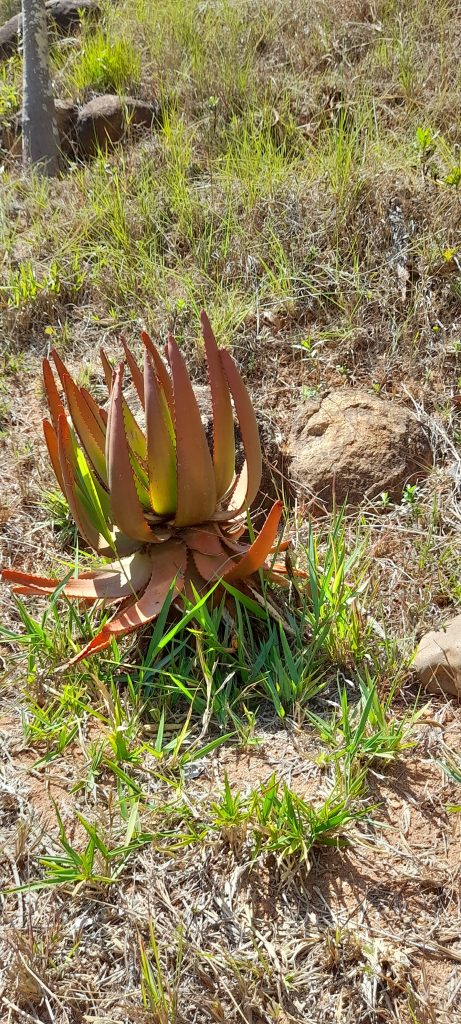
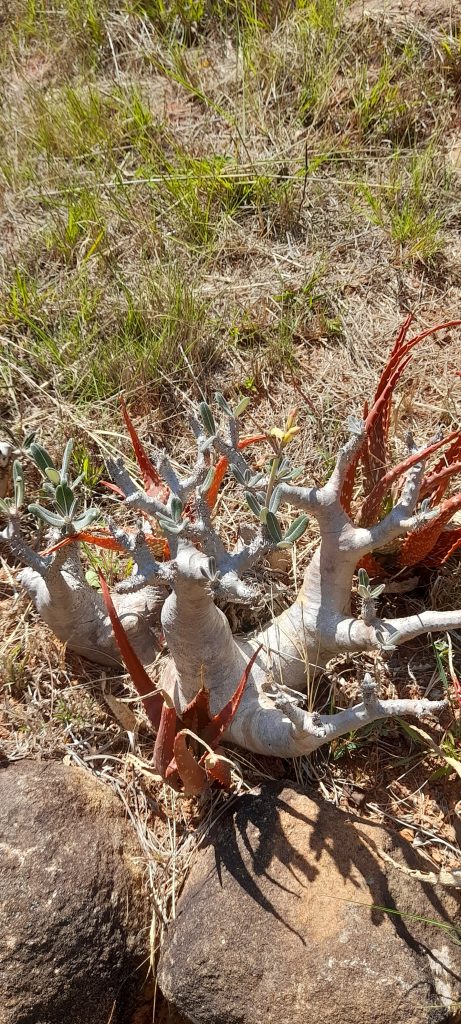
Pachypodiums swollen like bottles, more than fifteen euphorbia species and the thorny Didiereaceae characteristic of the deep south grow directly out of rock. Baobabs stand throughout, including a much-visited fony baobab known as the Grandmother, formed from three fused stems. Guides often quote an age of 3,000 years for it, though radiocarbon work on the oldest section put that part of the tree closer to 1,600 years, which is old enough.
Short circuits. Andaka and Emande run about an hour each, covering the lake shore and nearby thicket. Flamingos, waders and easy walking. What day visitors from Anakao usually manage.
Longer circuits. Tsiamaso takes around two hours, Andalamaiky about three, reaching the caves, the banyan sinkhole and the older baobabs. Worth the extra time if you have stayed overnight.
Vezo and Mahafaly Culture Around the Park
Two communities live either side of this park and both affect what a visitor sees. The Vezo are coastal fishing people, semi-nomadic along the shore around Anakao, and the boat that carries you south from Toliara is usually theirs. Inland, on the limestone plateau, the Mahafaly and Antandroy herd zebu across country that supports very little else.
The lake itself carries local significance and several sites within the park are subject to restrictions that guides will explain before you set out. Zebu carts on the tracks in, loaded with cactus pads cut as fodder, are a working detail of the country rather than a scene arranged for visitors.
Tsimanampetsotsa was among Madagascar’s earliest protected areas, classified as an integral nature reserve in 1927 and extended from around 17,500 hectares to 43,200 in the sixties before becoming a national park in 2002. That long protection is why the tortoise populations here survive when they have been stripped from much of the surrounding south.
Getting to Tsimanampetsotsa National Park from Toliara
The park sits roughly 90 km south of Toliara, and there is no easy way in. Tracks from Toliara are rough and slow, and most visitors go via Anakao on the coast instead, taking a boat down from Toliara in about an hour and then a four-wheel drive inland for another ninety minutes or so.
The park entrance is at Efoetse, with a further half hour of rough driving to the first campsite. A capable vehicle and a driver who knows the tracks are both needed, and hiring one for several days is the normal arrangement rather than a day return.
Accommodation on site is basic camping. Anakao has proper lodges on the beach and is where most visitors base themselves, which makes Tsimanampetsotsa a long day trip. Staying inside the park gives you dawn on the lake and the nocturnal wildlife, both of which day visitors miss entirely.
Budget the transport before anything else. Vehicle hire out of Toliara or Anakao dominates the cost of visiting, and the drive in each direction eats most of a day. Visitors who treat this as a quick stop frequently report that the travel outweighed the time on the ground.
Best Time for a Tsimanampetsotsa Visit
This is one of the driest corners of Madagascar, with an annual average under 500 mm and temperatures above 23 degrees year-round. Timing is about heat and about what the lake is doing.
April to June. Following whatever rain the south received, the lake holds more water and flamingo numbers are usually better. Temperatures are manageable and the tracks are passable.
July to September. Coolest months and the most comfortable for walking the exposed circuits. Reliable road conditions. The lake can shrink considerably, which concentrates birds but reduces the spread.
October and November. Hot and getting hotter, with reptiles at their most active. Radiated tortoises are easier to find. Midday walking on the limestone becomes hard work.
December to March. The brief wet season. Rain is irregular and often brief, but tracks can wash out and access from Toliara becomes unreliable. Lemur sightings improve when trees fruit.
Frequently Asked Questions
How much does it cost to visit Tsimanampetsotsa National Park?
Park entry is 45,000 Ariary per adult per day, with children under twelve at 25,000 Ariary, paid in cash in Ariary at the entrance. Guides are compulsory and charged per group by circuit. The dominant expense is transport: four-wheel drive hire out of Toliara runs to roughly 65 euros a day before fuel, and the boat transfer to Anakao is charged separately. Most visitors spend far more getting there than on the park itself.
Will I see flamingos?
Usually, though numbers vary a great deal with water levels. Both greater and lesser flamingos use the lake and can gather in large flocks, but a shrunken lake in a dry year means fewer birds and longer views. Ask locally before committing to a long trip if flamingos are your main reason.
Is it worth the long drive?
Honestly, it depends on your interests. For birders, reptile specialists and anyone drawn to strange botany, yes. For general visitors expecting abundant lemurs, the mammal list is short and sightings are seasonal, and several travellers have found the long drive out of proportion to the time on the ground. Combining it with a stay at Anakao rather than treating it as a standalone trip makes the arithmetic work better.
How many days do I need?
One full day covers the short circuits if you are based at Anakao. Staying overnight at the campsite inside the park gives you the caves, the longer circuits, dawn at the lake and a night walk for Grandidier’s mongoose, which is a substantially better visit.
How difficult is the walking?
Easy in terms of terrain. The circuits are short and mostly level, designed to suit a range of fitness levels. Heat is the real difficulty, since there is little shade on the limestone plateau and temperatures climb quickly after mid-morning. Early starts and plenty of water solve most of it.
Can I swim in the lake?
No. The water is saturated with salts and calcium sulphate, which is precisely why nothing lives in it. There is a beach roughly two and a half kilometres from the park for anyone wanting to swim, and Anakao itself has good coast.
What else is nearby?
Anakao is the obvious pairing, a Vezo fishing village with beach lodges and boat access to Nosy Ve for seabirds. Toliara connects north along the RN7 toward Isalo, so many travellers reach Tsimanampetsotsa at the end of a southern circuit rather than as a destination on its own.
Planning Your Visit
The decision that makes or breaks a Tsimanampetsotsa trip is whether you stay overnight. Day visitors from Anakao see flamingos and a short circuit. Anyone camping inside gets the caves, the older baobabs, the nocturnal wildlife and the lake at first light, which is a different park entirely.
Booking Your Madagascar Trip
The safari companies and tour operators listed on this website put trips like this together for a living and know which camps, guides and routes actually deliver. We are an independent guide to Madagascar; we do not book or sell tours ourselves.
When you are ready, arrange your safari, tour or holiday with one of the recognised operators listed here. Tell them your dates and what matters most, and a real person, not a form, will handle the itinerary, park bookings and logistics for you.