Wildlife Watching Tours in Madagascar

Every wildlife sighting in Madagascar happens on a guided walk, and the quality of that walk depends more on the guide than the park. Asking for a specialist rather than taking whoever is next in the rotation changes what you see considerably, and telling your guide what you want on the first morning rather than the last changes it again. This is a practical guide to how wildlife watching actually works here.
How Guided Walks Work
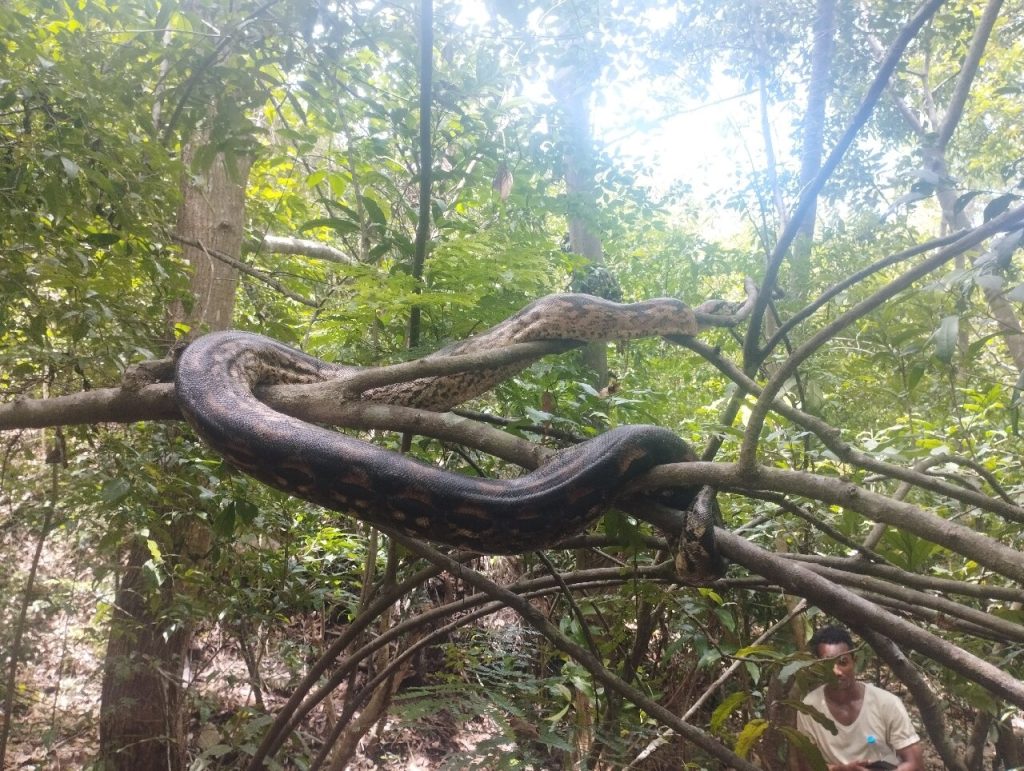
Guides are compulsory at every Madagascar National Parks property and hired at the gate office on arrival, charged per group rather than per person and priced by circuit rather than by hour.
The system is a rotation, so without a specific request you get whoever is next. That guide will be trained and competent, and may not be the right one for what you came to see.
Specialists exist at most major parks: bird guides who work by call, trackers who follow particular lemur groups, guides with reptile or botanical knowledge. They are not the default assignment and asking for them by name or discipline is how you get one.
At Marojejy the specialist tracker for silky sifaka is a separate hire from the guide, and it is the single best value item on the fee list. Visitors who skip it to save money frequently report not seeing the animal.
The rotation gives you a competent guide. Asking for a specialist gives you the one who knows where the animals have been feeding this week.
Timing: Why Dawn Matters
The single cheapest improvement to any Madagascar wildlife trip costs nothing and involves setting an alarm.
Rainforest wildlife is active in the first two hours of light and quiet by mid-morning. Indri call from dawn until late morning and then stop. Birds are vocal at first light and silent by nine.
On the exposed circuits at Isalo and across the south and west, the plateau becomes punishing by eleven, and animals retreat into shade well before that.
A six o’clock start rather than a nine o’clock one is the difference between an active forest and a quiet one. Guides will start early if asked and many groups do not ask.
The corollary is that late afternoon works too. Wildlife becomes active again as the heat drops, and the last two hours of light are the second-best window of the day.
What to Tell Your Guide
Guides work to what they understand a group wants, and most groups say nothing.
Mentioning specific interests on the first morning changes the walk. A party that says it cares about chameleons gets a guide scanning branches rather than canopy. One that mentions ground-rollers gets a walk paced for listening.
Being honest about fitness matters too. Guides will pace a circuit to a group and will suggest a different route if the one booked does not suit, but only if they know.
Ask what has been seen recently. Guides track group movements daily at the parks where particular animals are the draw, and the answer shapes where you walk.
If photography is the priority, say so. Guides will position a group where the light is least hostile rather than where the view is closest, which matters considerably in dark rainforest.
Ask for a bird specialist. Ranomafana, Mantadia, Marojejy, Masoala and Ankarafantsika. Ground-rollers, mesites and several vangas are located almost entirely by call, and the difference between guides is the difference between four species and none.
Ask for a tracker. Marojejy for silky sifaka, Ranomafana for the bamboo lemur groups. Both are separate hires from the standard guide and both substantially change the odds on a specific animal.
Ask for a night guide. At the community reserves adjacent to every park, since national park gates close in the afternoon. VOIMMA and Mitsinjo at Andasibe, the roadside strip at Ranomafana, lodge grounds elsewhere.
Realistic Expectations by Species
Some sightings are close to certain and some are not, and honest operators distinguish between them.
Close to certain at the right park: indri at Andasibe, ring-tailed lemurs at Anja and Berenty, Coquerel’s sifaka at Ankarafantsika, crowned lemurs at Ankarana, green turtles snorkelling at Nosy Tanikely, humpback whales at Sainte-Marie between July and September.
Realistic with effort: golden bamboo lemur at Ranomafana with a guide working the bamboo stands, silky sifaka at Marojejy with a tracker and three or four days, fossa at Kirindy with an overnight stay in October or November, Van Dam’s vanga at Ankarafantsika with a bird guide.
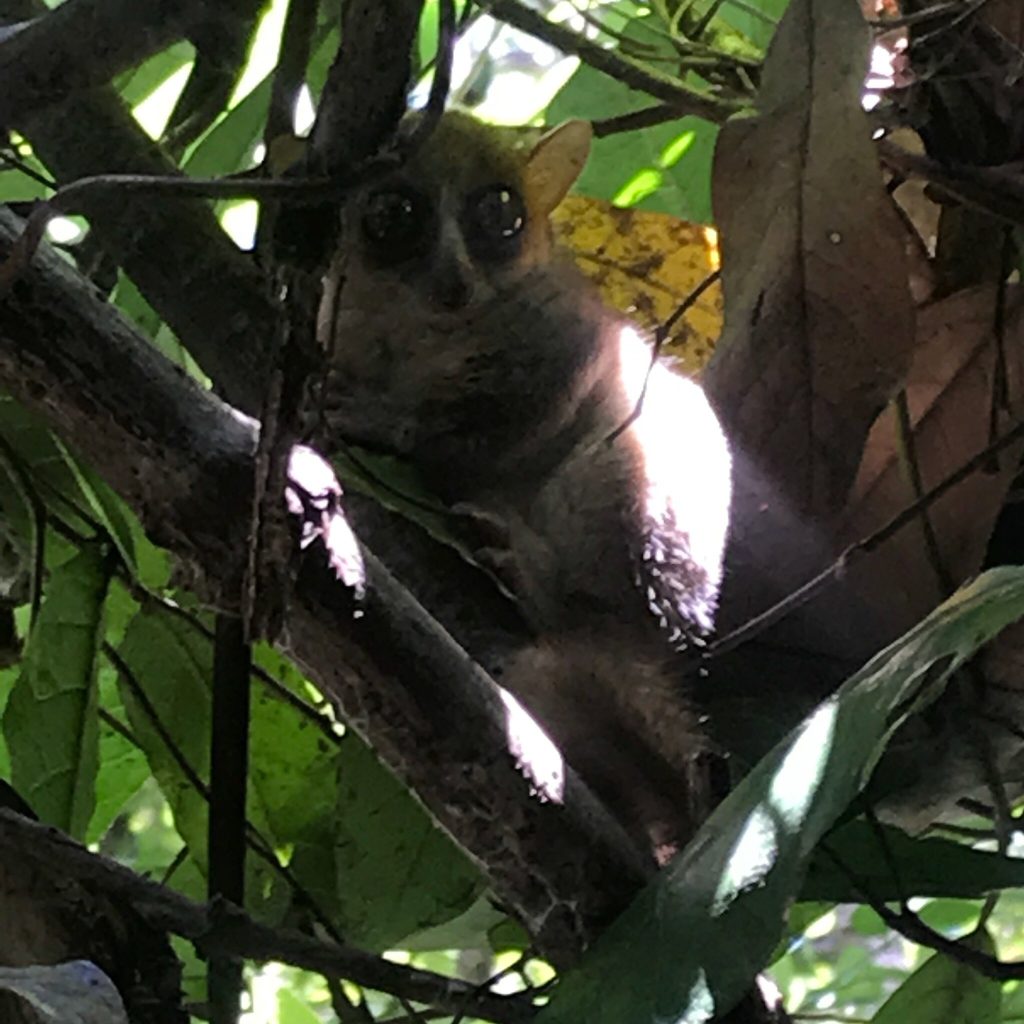
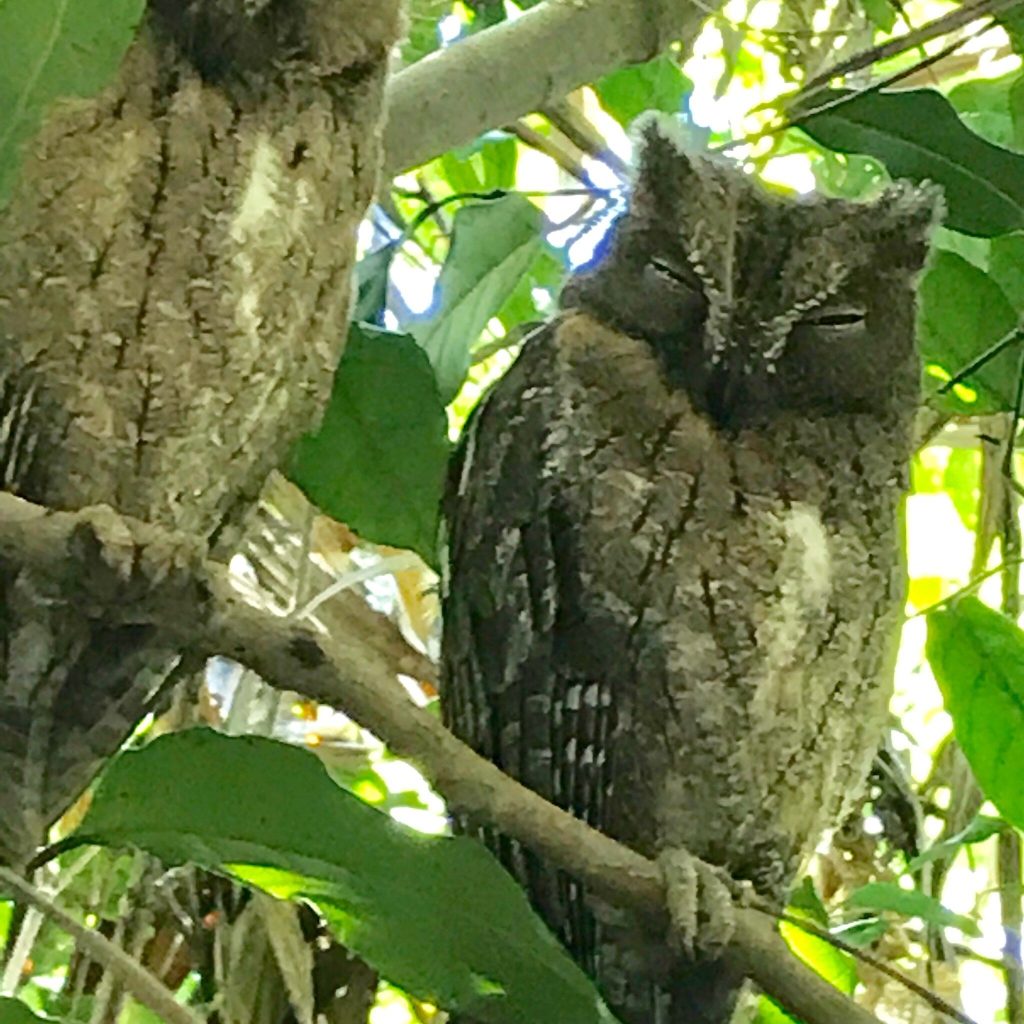
Long shots: aye-aye in the wild anywhere, dugong, falanouc, Madame Berthe’s mouse lemur even at Kirindy, the Madagascar red owl.
Any operator promising a wild aye-aye is overselling. Palmarium provisions them for night viewing, which is reliable and not a wild sighting.

Night Walks and the Other Half
Half of Madagascar’s lemur species are nocturnal, along with most of the reptile and amphibian interest, and night walks are where you see them.
They cannot happen inside national parks, since gates close in the afternoon. All after-dark walking takes place in community and private reserves next door, which are cheaper and often better.
Kirindy Forest is the exception, being privately managed, where night walks run inside the reserve itself and deliver the giant jumping rat, Madame Berthe’s mouse lemur and the best fossa odds in the country.
Chameleons are far easier to find asleep than awake, paling and sitting exposed on twig ends where a torch picks them out at eye level. Many visitors rate the night walks above the daytime circuits for exactly this reason.
Bring your own headlamp rather than relying on the guide’s, with spare batteries, since there is no mains power at most park camps. A red filter disturbs nocturnal animals less than white light. Some operations prohibit flash photography around nocturnal lemurs entirely, whose eyes are adapted to very low light, and guides will say so.
Equipment That Changes What You See
Binoculars are the item most travellers wish they had brought. Indri sit forty metres up in dense canopy and much of the bird list is at height. Eight or ten times magnification suits forest conditions and poor light.
Boots with grip matter for reaching the wildlife at all, since rainforest trails run on wet clay and roots.
A waterproof in any month, since the eastern parks record rain on roughly 210 days a year.
A field guide to Madagascar’s birds or lemurs, since the endemics appear in no guide covering mainland Africa.
Camera protection matters more than reach given humidity between 90 and 97 percent in eastern rainforest.
Seasonality and What Is Active When
Different groups peak at different times, which is why a single best month does not exist.
Lemurs are visible year-round, with infants appearing from around September through November, which is when photographers travel.
Reptiles and amphibians follow the heat, active from November through March and sluggish or hidden from June to August. A December night walk produces several times what the same route gives in July.
Birds are most vocal when breeding, from around September into December, which makes the skulking ground-rollers and mesites findable.
Whales pass between July and September and are simply absent outside that window.
Deciding what you most want to see is a better starting point than asking which month is best.
One more habit is worth adopting: keep your own notes. Guides identify quickly and move on, and travellers who write down what they saw at each park end a trip with a usable list rather than a blur. It also makes the second week better, since you know what you have already seen and can ask for what you have not.
Frequently Asked Questions
How do I get a good guide?
Ask for a specialist rather than accepting the rotation at the gate. Bird guides who work by call, trackers who follow particular lemur groups, and guides with reptile or botanical knowledge exist at most major parks but are not the default assignment. Booking through an operator in advance secures them more reliably than asking on arrival.
What time should walks start?
Before dawn wherever possible. Rainforest wildlife is active in the first two hours of light and quiet by mid-morning, and indri call from dawn until late morning then stop. On exposed circuits at Isalo the plateau becomes punishing by eleven. Late afternoon is the second-best window.
What does guiding cost?
Guides are charged per group rather than per person and priced by circuit, typically 15,000 to 40,000 Ariary for shorter routes and more for full-day or multi-day treks. Specialist trackers at Marojejy are a separate hire. Sharing a guide with another party at the gate halves the cost. All cash in Ariary.
Which sightings are guaranteed?
None strictly, but indri at Andasibe, ring-tailed lemurs at Anja and Berenty, Coquerel’s sifaka at Ankarafantsika and crowned lemurs at Ankarana are all close to certain at the right park. Aye-aye, dugong and Madagascar red owl are long shots anywhere, and any operator promising them is overselling.
Are night walks worth doing?
Yes, and skipping them means missing half of Madagascar’s lemur species along with most of the reptile and amphibian interest. They happen outside national parks since gates close in the afternoon, in community reserves that are cheaper and often quieter. Kirindy Forest is the exception, being private.
What equipment do I need?
Binoculars above everything, since indri sit forty metres up and much of the bird list is at height. Boots with grip for wet clay trails, a waterproof for any month, a headlamp with spare batteries for night walks, and a field guide to Madagascar itself, since the endemics appear in no mainland African guide.
When should I visit for wildlife?
September to November overall, with infant lemurs, active reptiles, breeding birds and settled weather. July to September for humpback whales. November to March for chameleons, frogs and the most productive night walks, at the cost of rain and some park closures. What you most want to see should decide it.
How many parks should I visit?
Two or three properly rather than five in passing. Entry is charged per day, wildlife is active at dawn, and a park visited for one rushed morning shows you a fraction of what two nights delivers. Ten days covers one circuit with two or three parks at a reasonable pace.
Planning Your Trip
Wildlife watching in Madagascar rewards two decisions above everything: the guide you walk with and the hour you start. Both cost almost nothing and both make more difference than which park you choose or what camera you carry.
Booking Your Madagascar Trip
The safari companies and tour operators listed on this website put trips like this together for a living and know which camps, guides and routes actually deliver. We are an independent guide to Madagascar; we do not book or sell tours ourselves.
When you are ready, arrange your safari, tour or holiday with one of the recognised operators listed here. Tell them your dates and what matters most, and a real person, not a form, will handle the itinerary, park bookings and logistics for you.