Where to Stay in Madagascar
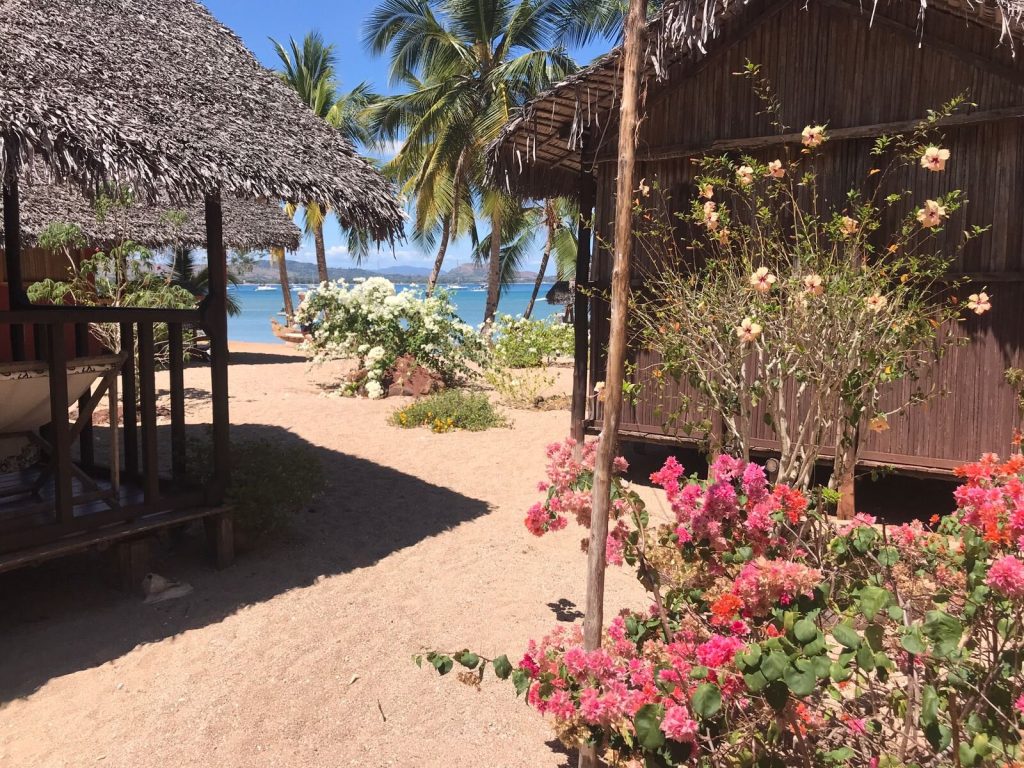
Accommodation in Madagascar runs from simple guesthouses at 20 to 40 US dollars a night to a handful of genuinely upmarket lodges, with most comfortable options between 60 and 120. What surprises travellers is that remote places cost more than their comfort suggests, because everything they use arrived by boat or over a bad road. Eco-lodges at the parks and beach properties on the islands are the two categories that matter most.
Safari Lodges and Eco-Lodges at the National Parks
Park accommodation is where most Madagascar nights are spent, and the standard varies enormously by location rather than by price.
At Andasibe, Feon’ny Ala sits closest to the forest with simple bungalows and lemurs in the garden, Mantadia Lodge offers more comfort on a hillside, and Vakona Forest Lodge is larger with its own private reserve attached. Rooms at the better places go months ahead in the dry season.
At Ranomafana, Setam Lodge is built into a hillside above the river with half board included, which is compulsory because there is nowhere else to eat. Hotel Thermal and Centrest sit down in the village near the springs.
At Isalo, Le Jardin du Roy and Relais de la Reine are the upmarket sister properties, with Isalo Rock Lodge and Satrana Lodge in the middle and simple guesthouses in Ranohira itself.
The lodges at Bekopaka, Masoala and the remote northwest charge more than their comfort suggests, and the reason is logistics rather than luxury. Every item on the premises came up a bad road or across water.
Beach Resorts and Island Accommodation
The islands hold the country’s most developed accommodation and its highest prices. Nosy Be is the most expensive part of Madagascar across every category, with resorts concentrated at Andilana in the north and busier options around Ambatoloaka on the west coast.
Île Sainte-Marie is quieter and cheaper, with small hotels spread along the west coast rather than a resort strip. Prices rise sharply for whale season between July and September, when the island fills.
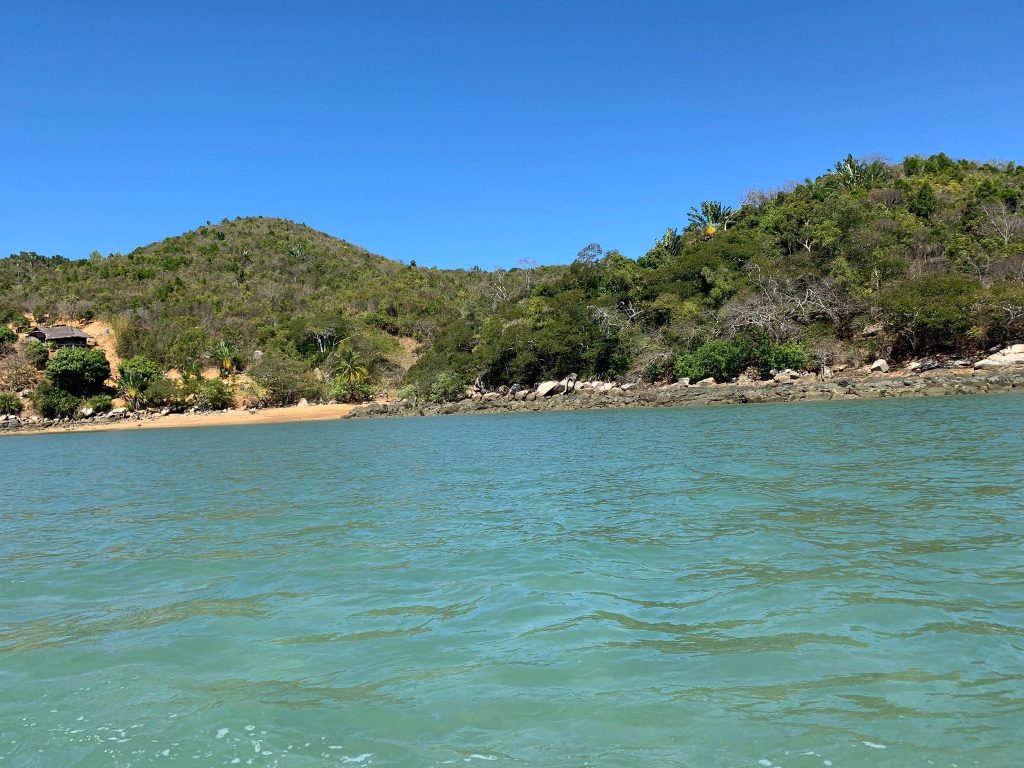
Île aux Nattes off Sainte-Marie’s southern tip is cheaper still, with beachfront guesthouses on an island that has no roads and no ATMs. Nosy Komba offers eco-lodges and guesthouses in the same vein.
On the mainland coast, Ifaty and Mangily north of Toliara have beach hotels with reef access, and Anakao to the south is reached by boat. Ramena near Diego Suarez serves the Emerald Sea and the Three Bays.

City Hotels and Where to Base Yourself
Antananarivo has the widest range in the country, from budget guesthouses to comfortable business hotels. Staying near Ivato airport rather than the city centre saves an hour of traffic on departure morning, which matters when a drive from a park is already on the schedule.
Antsirabe and Fianarantsoa on the RN7 are the cheapest towns for accommodation and rarely need booking far ahead outside July to October. Both work well as overnight stops between parks.
Diego Suarez offers a choice between city hotels and beach accommodation at Ramena forty-five minutes away. Splitting a stay between the two works well on trips of four nights or more, since the city suits inland day trips and Ramena sits next to the boat departures.
Budget, 20 to 40 dollars. Simple guesthouses in towns and near park entrances. Basic rooms, often without hot water or reliable power. Widely available on the RN7 and in the cities, scarce at remote parks.
Mid-range, 50 to 120 dollars. Comfortable hotels and lodges with pools, restaurants and reliable facilities. The standard choice at the popular parks and on the coast. Books out months ahead in peak season.
Upmarket, above 120 dollars. A small number of genuinely good lodges, concentrated at Isalo, Nosy Be, Masoala and near the main parks. Also where remote-location pricing pushes modest properties into this bracket.
Camping Inside the National Parks
Several parks maintain campsites and this is the cheapest way to stay close to the wildlife. Isalo has sites at Namaza with 33 pitches and at the Piscine Naturelle taking around 80 people, both with running water and sanitary facilities.
Andringitra maintains five sites along its trekking routes with dry toilets and washing facilities but no showers. Marojejy has cabins with beds at Camp Mantella and Camp Marojejia plus tent pitches, and Camp Simpona higher up. Zahamena’s sites are basic, with Ranomitsanga offering a pit latrine and a roofed area.
At most sites you bring your own tent, though equipment can be hired in the gateway towns. Camping at the remote parks is often the only option rather than a budget choice, since there is no lodge within reach.
Booking Ahead and Seasonal Pressure
July to October is when accommodation becomes the constraint. Lodges at Andasibe, Ranomafana, Isalo and Berenty fill months in advance, and the small properties at remote locations go earliest of all.
Bekopaka near Tsingy de Bemaraha has very few beds. Ampijoroa at Ankarafantsika is a small gîte inside the park. Namoroka Tsingy Camp opened recently with limited capacity. Masoala’s peninsula lodges are few and reached only by boat. None of these can absorb late bookings in peak season.
Outside those months, particularly April to June and November, most places can be arranged with a few weeks’ notice, and the wet season sees rates drop substantially along with some closures.
Several remote lodges include compulsory half board or full board because there is genuinely nowhere else to eat. Setam Lodge at Ranomafana and the Masoala peninsula properties both work this way. Factor that into the room rate when comparing prices, since a cheaper room with obligatory meals can cost more than a dearer one in a town with restaurants.
Community-Run and Village Accommodation
Several places offer accommodation run by local communities rather than commercial operators, and these are worth seeking out.
Around Tsingy de Namoroka, visitors stayed with families in surrounding villages before the tented camp opened, and that option remains. Nosy Komba’s guesthouses are locally staffed and owned. The Mandrare valley camps near Fort Dauphin work with Antandroy communities.
Standards are simple and the arrangement puts money directly into villages that live beside the protected areas. For travellers uneasy about the ethics of some Malagasy wildlife tourism, community accommodation is one of the clearest ways to make a visit count locally.
Accommodation for Families and Longer Stays
Family rooms and triples exist at mid-range properties but are not universal, and the small lodges at remote parks often have only doubles. Asking before booking saves rearranging on arrival.
Beach destinations suit families better than the park circuits, since Nosy Be, Sainte-Marie and Ifaty all have properties with pools, gardens and shallow water. The distances between RN7 parks make a park-heavy itinerary hard going with young children.
For longer stays, weekly rates are often negotiable outside peak season, particularly at the beach properties and in the highland towns. Travellers basing themselves somewhere for a week or more should ask rather than booking night by night.
Self-catering is uncommon and most properties assume you will eat on site or in town. In the cities and on Nosy Be a few apartments exist, but this is not a destination set up for cooking your own meals.
What to Expect from Malagasy Accommodation
Power is the first adjustment. Many lodges run generators for limited hours rather than mains electricity, and hot water may follow the same schedule. Remote camps have no power at all.
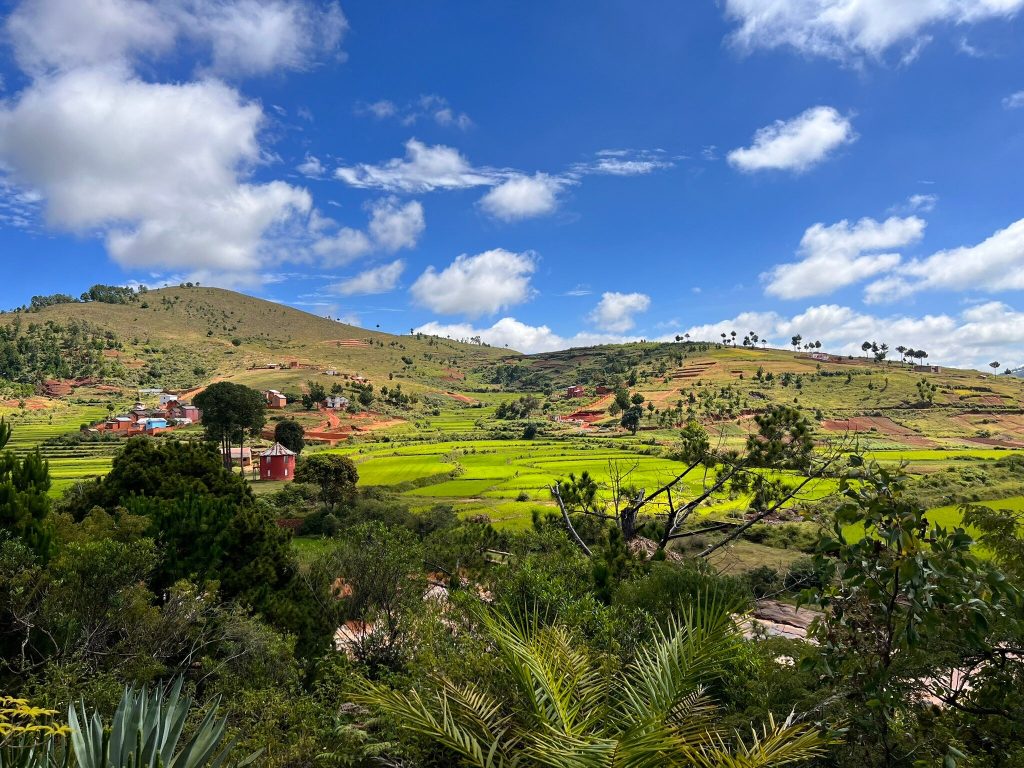
Heating is close to nonexistent, which catches travellers out in the highlands where nights drop close to freezing from June to August. Antsirabe, Fianarantsoa and the Andringitra area all get genuinely cold and hotels rarely have anything to warm a room.
Wifi exists at better properties in the cities and on Nosy Be and is unreliable or absent elsewhere. There is no phone coverage at all at Marojejy, Masoala, Zahamena or across much of the western circuit, so accommodation there is genuinely disconnected.
Frequently Asked Questions
How much does accommodation cost in Madagascar?
Simple guesthouses run 20 to 40 US dollars a night, comfortable mid-range hotels and lodges 50 to 120, and a small number of upmarket properties above that. Remote locations charge more for the same standard because of supply logistics. Camping inside parks is the cheapest option where facilities exist. Nosy Be is the most expensive part of the country, the highland towns the cheapest.
How far ahead should I book?
Several months for July to October, particularly at Andasibe, Ranomafana, Isalo and Berenty, and earlier still for the few beds at Bekopaka, Ampijoroa, Namoroka and the Masoala peninsula. April to June and November can usually be arranged with a few weeks’ notice. The wet season sees rates drop and some properties close.
Should I stay inside the parks or in nearby towns?
Inside or as close as possible, because the wildlife is active at dawn and night walks happen after dark. Commuting from a town costs you both. At Andasibe, Ranomafana and Isalo the accommodation near the entrances is the difference between a full day in the park and a partial one.
Is camping practical?
At Isalo, Andringitra, Marojejy and Zahamena, yes, with maintained sites and varying facilities. At the remote parks it is often the only option rather than a choice. Bring your own tent or hire equipment in the gateway towns, and expect no showers at most sites and no power at any.
Why are remote lodges so expensive?
Supply logistics. Everything at Bekopaka, on the Masoala peninsula or at Soalala arrived by boat or over a road that takes six to ten hours, and the price reflects that rather than the standard of the room. Travellers expecting comfort proportional to cost are consistently surprised.
Do lodges have electricity and hot water?
Many run generators for limited hours rather than mains power, with hot water following the same schedule. Remote camps have none at all. Heating is unavailable almost everywhere, which matters in the highlands where nights drop close to freezing between June and August. Bring a headlamp and warm layers.
What is compulsory half board?
Several remote lodges include meals in the rate because there is nowhere else to eat within reach. Setam Lodge at Ranomafana and the Masoala peninsula properties both operate this way. When comparing prices, a cheaper room with obligatory meals can total more than a dearer room in a town with restaurants.
Is there anywhere genuinely luxurious?
A small number of properties, mainly at Isalo, Nosy Be, Masoala and near Fort Dauphin, reach international standards. Madagascar is not a luxury safari destination in the way Botswana or Kenya are, and travellers expecting that comparison will be disappointed. The best places here are good rather than opulent.
Planning Your Trip
Accommodation in Madagascar rewards booking early and staying close to the parks. The properties that matter most are the small ones at remote locations, which have very few rooms and fill first, and getting those secured shapes what the rest of the itinerary can look like.
Booking Your Madagascar Trip
The safari companies and tour operators listed on this website put trips like this together for a living and know which camps, guides and routes actually deliver. We are an independent guide to Madagascar; we do not book or sell tours ourselves.
When you are ready, arrange your safari, tour or holiday with one of the recognised operators listed here. Tell them your dates and what matters most, and a real person, not a form, will handle the itinerary, park bookings and logistics for you.