Les Trois Baies and Ramena
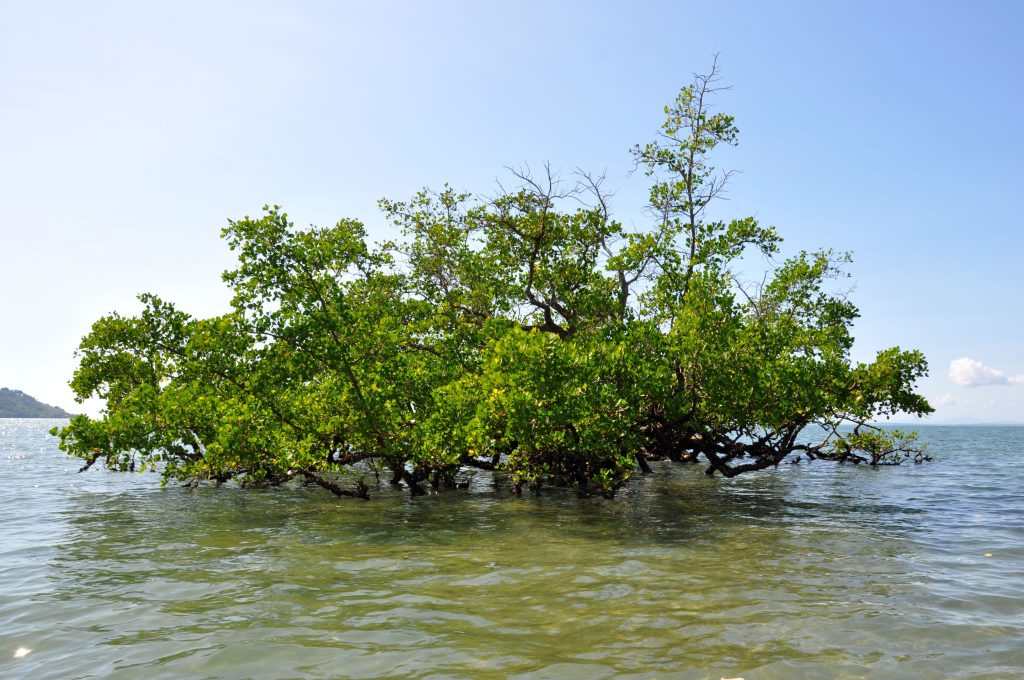
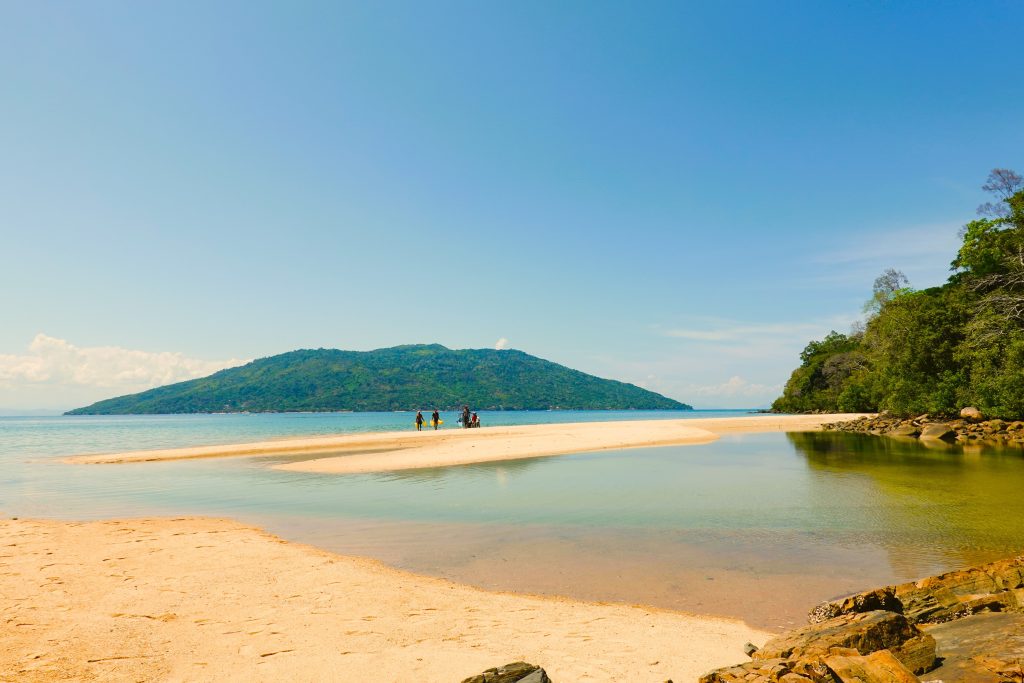
Les Trois Baies is a run of three wild beaches east of Diego Suarez, reached by four-wheel drive or on foot, with almost nobody on them. Sakalava Bay is the best kitesurfing spot in Madagascar, Dunes Bay and Pigeon Bay are emptier still, and Ramena village anchors the whole peninsula as the departure point for the Emerald Sea.
Ramena Village
Ramena sits about 20 km east of Antsiranana on a sealed road along the bay, roughly forty-five minutes by taxi. It is a working fishing village with a beach, restaurants and a considerably more relaxed atmosphere than the city.
Many visitors base themselves here rather than in Diego Suarez, particularly if the Emerald Sea and the Three Bays are their main interest. Boats to the lagoon leave from the beach here.
The drive out passes Nosy Lonjo, the sugarloaf island in the bay that serves as the city’s emblem and is a sacred site where landing is not permitted, along with stands of Adansonia suarezensis, a baobab found only in this corner of the north.
Accommodation runs from simple guesthouses to beach hotels, and the seafood is straightforward and good.
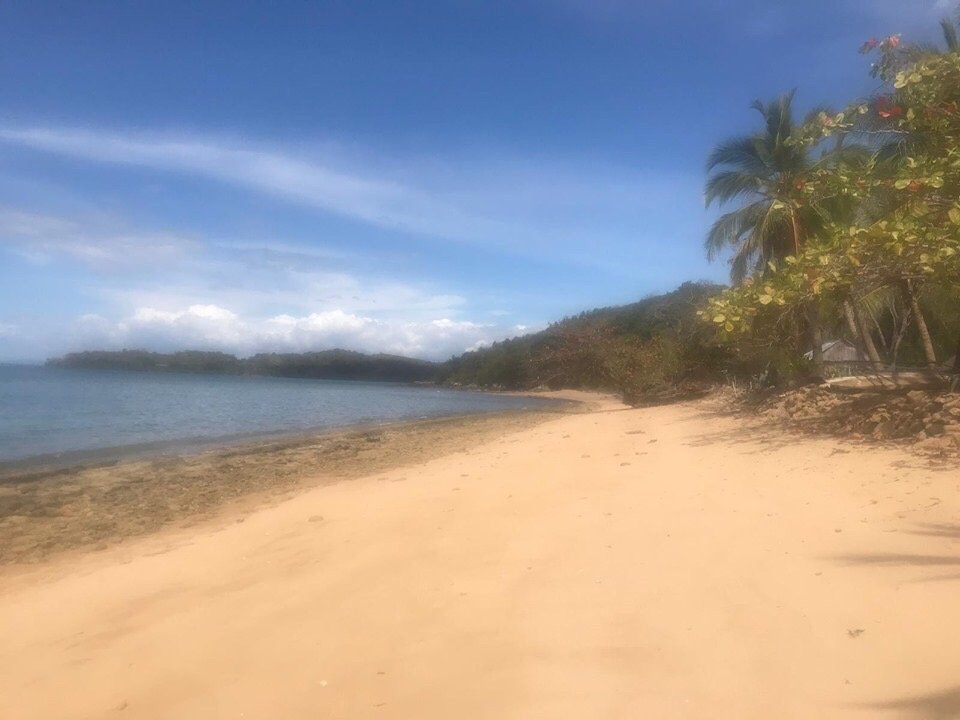
Three bays in a row with turquoise water and nobody on them, forty-five minutes from a city with an airport. The north is the most efficient corner of Madagascar.
Sakalava Bay
Sakalava Bay is the first and best known of the three, and its reputation rests on wind. The Varatraza trade wind blows reliably from May to November, with flat water inside the bay and waves breaking on the reef outside.
That combination gives the spot range for different abilities, and kitesurf schools and lodges operate directly at the bay catering to beginners through advanced riders. Equipment hire is available on site.
Outside the wind season the bay is a quiet beach like the others, and swimmers rather than kiters have it to themselves.
For experienced riders, the Emerald Sea nearby offers twelve kilometres of flat lagoon for downwinders past fishing villages, with reef waves at the far end and far fewer people.
Dunes Bay and Pigeon Bay
Baie des Dunes and Baie des Pigeons continue east along the peninsula and see fewer visitors than Sakalava.
Both are wild beaches with white sand and turquoise water, backed by dune systems and scrub rather than any development. There are no facilities, so bring water and shade.
Four-wheel drive tours cover all three bays in a day, usually with a giant baobab stop and a seafood lunch back at Ramena. Walking between them is possible and rewarding for anyone with the time, taking several hours across headlands.
The emptiness is the appeal. Even in peak season these beaches see a handful of people, which is unusual for coast this accessible anywhere.

Sakalava Bay. Kitesurfing from May to November with schools on site, flat water inside and reef waves outside. A quiet swimming beach outside the wind season. The most developed of the three.
Dunes and Pigeon Bays. Wild, undeveloped, no facilities. Reached by four-wheel drive or on foot across headlands. Empty even in peak season, which is the whole point.
Montagne des Français
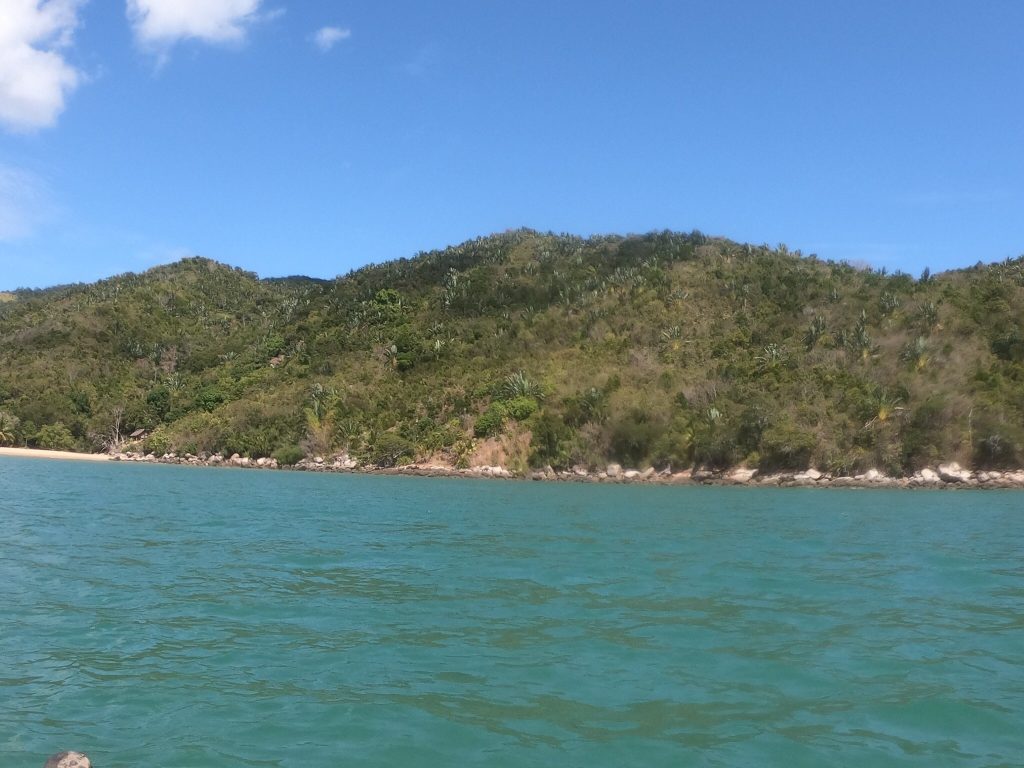
Montagne des Français rises behind Ramena about 12 km from Diego Suarez, and the climb takes around two hours each way, steep enough to be hard work in the heat.
At the top sit ruins of French colonial fortifications, an old tunnel used for moving weapons and supplies, and a Catholic pilgrimage site. The view covers the bay, Ramena, Nosy Lonjo and the Three Bays.
A guide is recommended since the trail is poorly marked, and official advice suggests using an official local guide in this protected area.
At the foot of the mountain grow Adansonia suarezensis, the baobab restricted to this corner of the north and worth seeing on the way past.
Start early. The climb is exposed and the heat builds fast on this coast.
The Emerald Sea from Ramena
The Emerald Sea is the outing most visitors to Ramena book, a shallow lagoon at the mouth of Antsiranana bay where a white sand bottom turns the water green.
Small wooden sailing boats leave the beach in the morning and cross in forty minutes to an hour. Trips include snorkelling on largely undamaged coral, lunch cooked on the beach of an uninhabited islet, and several hours on sand you will often have to yourself.
The catch is the return. Between May and November the trade winds make the afternoon crossing wet and cold in small open boats, and soakings are more or less guaranteed. Bring a dry bag and a windproof layer.
Nosy Hara marine park lies further north, reached on longer excursions or overnight camping trips, with limestone islands and reefs in good condition seeing very few visitors.
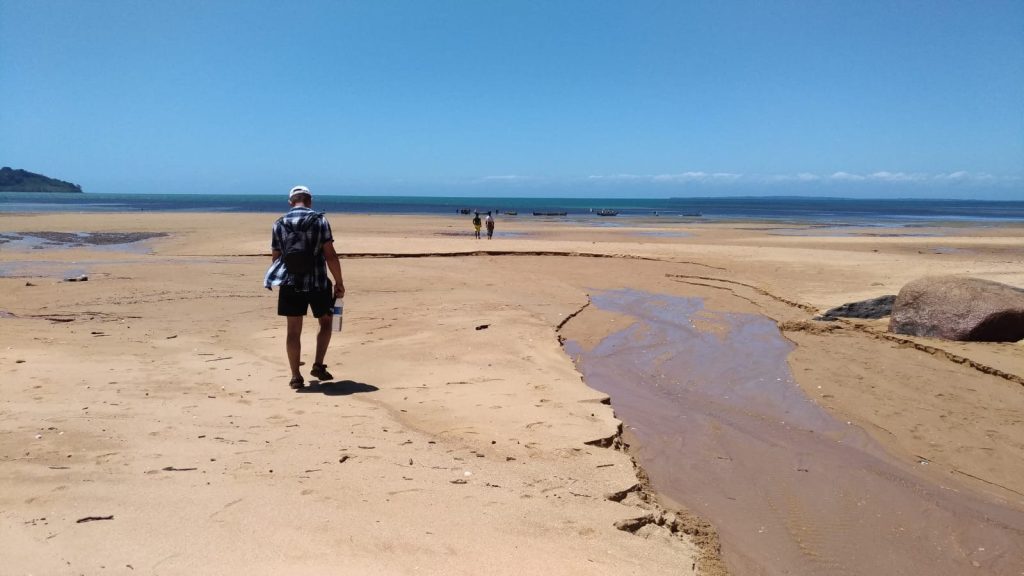
Official advice recommends taking local advice before visiting beaches in this area, where opportunistic attacks on tourists have been reported, and using an official local guide at Montagne des Français. This is standard caution rather than a reason to avoid the peninsula, which is travelled constantly, but it is worth following.
Where to Stay and Getting Around
The choice is between Diego Suarez and Ramena, and it depends on what you are doing.
The city has more hotels and restaurants, the airport, and better access for inland day trips to Amber Mountain and south along the RN6 to the Red Tsingy and Ankarana.
Ramena puts you on the beach next to the Emerald Sea departures and the Three Bays, with kitesurf lodges at Sakalava Bay itself. It is quieter with fewer restaurants and a taxi ride from town.
Splitting a stay between the two works well on four nights or more.
Ramena’s restaurants are simple and seafood-based, with the catch landing on the beach in front of them. Diego Suarez has considerably more choice, reflecting Comorian, Arab and Indian influence from centuries of Indian Ocean trade.
Taxis cover the run from Diego Suarez to Ramena in about forty-five minutes. Four-wheel drive is needed for the Three Bays beyond Sakalava, arranged through hotels or operators in the city.
Nosy Hara and the Islands Beyond
North of the Emerald Sea lies Nosy Hara, a marine protected area covering a scatter of limestone islands reached on longer boat excursions from Ramena or Diego Suarez.
The islands are the northern tip of the same karst systems that surface inland at Ankarana, weathered into pinnacles and stacks rising straight from the water. Reefs around them are in good condition and see a fraction of the visitors that Nosy Be’s archipelago does.
Brookesia micra, among the smallest reptiles on earth at around thirty millimetres including tail, was described from Nosy Hara and is found there and nowhere else. Seeing one requires a guide, patience and luck.
Camping trips need arranging through operators in Diego Suarez or Ramena. Facilities are nonexistent and everything is carried in, which is why the islands stay as empty as they do.
For most visitors this is a step beyond the Emerald Sea rather than an alternative to it, suiting travellers with an extra day and an appetite for somewhere genuinely unvisited.
Best Time to Visit
The far north is drier than the east, and the Varatraza wind matters more than rainfall.
April and May. After the rains, with green country, settling seas and moderate wind. Comfortable temperatures and few visitors. A strong all-round window before the trades set in.
May to November. Varatraza season. Excellent for kitesurfing at Sakalava and reliable road access to the bays. Boat crossings to the Emerald Sea get rough and wet on the afternoon return.
July to September. Peak visitor season with dry clear conditions. The bays stay quiet regardless. Book accommodation at Ramena and the kitesurf lodges ahead.
November to March. Warmer with the year’s rain and calmer seas, giving the best water clarity for snorkelling in the lagoon. Cyclone exposure applies, though the far north sees less than the east.
Frequently Asked Questions
How do I reach the Three Bays?
Four-wheel drive tours from Diego Suarez or Ramena cover all three in a day, usually with a baobab stop and lunch. Walking between them is possible across headlands and takes several hours. Sakalava Bay is the most accessible; Dunes and Pigeon Bays need the vehicle or the walk.
Is Sakalava Bay good for beginners?
Yes. Flat water inside the bay suits learners while reef waves outside give advanced riders somewhere to go, and schools operate on site with equipment hire. The Varatraza wind blows reliably from May to November, which is the season to come for kiting.
Should I stay in Ramena or Diego Suarez?
Ramena for the beach, the Emerald Sea departures and the Three Bays, with kitesurf lodges at Sakalava. Diego Suarez for more hotels and restaurants, the airport and inland day trips to Amber Mountain and the RN6. Splitting the stay works well on four nights or more.
What does the Emerald Sea trip cost?
Boat transfers from Ramena run roughly 40,000 to 55,000 Ariary per person, with departures from Port Jasmin in Diego Suarez around 60,000. Packages including lunch and snorkelling gear are commonly quoted around 25 euros. Local fishermen at Ramena beach will take passengers for less without the extras.
How hard is Montagne des Français?
Around two hours each way on a steep exposed climb, hard work in the heat rather than technically difficult. A guide is recommended since the trail is poorly marked, and official advice suggests using an official local guide in this protected area. Start early.
Can I swim at the Three Bays?
Yes, and the water is calm and clear. There are no facilities at Dunes and Pigeon Bays, so bring water and shade. Official advice recommends taking local advice before visiting beaches in this area, where opportunistic incidents have been reported.
When should I visit?
April and May for the best all-round conditions before the trade winds build. May to November for kitesurfing at Sakalava. November to March for the calmest water and best snorkelling clarity in the Emerald Sea, though cyclone exposure applies to the wider region.
What else is nearby?
Amber Mountain National Park an hour inland for montane rainforest and waterfalls. The Red Tsingy about 60 km south on the RN6, best in low light. Ankarana Special Reserve further down the same road with limestone tsingy and caves. Three or four days based here covers all of it.
Planning Your Trip
The Three Bays are the easiest wild beaches to reach in Madagascar, forty-five minutes from a city with an airport and empty even in peak season. Whether you base at Ramena or Diego Suarez depends on whether the water or the inland parks matter more.
Booking Your Madagascar Trip
The safari companies and tour operators listed on this website put trips like this together for a living and know which camps, guides and routes actually deliver. We are an independent guide to Madagascar; we do not book or sell tours ourselves.
When you are ready, arrange your safari, tour or holiday with one of the recognised operators listed here. Tell them your dates and what matters most, and a real person, not a form, will handle the itinerary, park bookings and logistics for you.