Luxury Travel in Madagascar
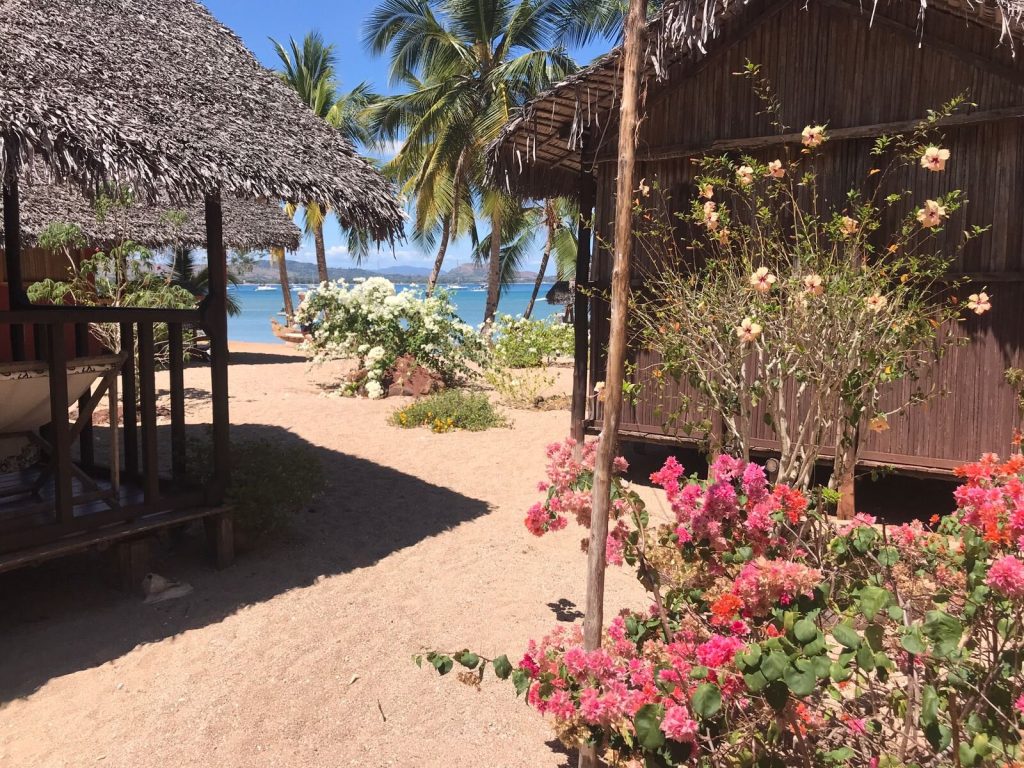
Madagascar has a small number of genuinely good lodges and no equivalent to the safari luxury of Botswana or the resort polish of Mauritius. What money buys here is access rather than opulence: charter flights that replace three days of rough driving, private guides who know individual lemur groups, and remote lodges reachable no other way. Travellers who understand that distinction do very well.
What Luxury Means in Madagascar
The honest framing matters more here than in most destinations. Madagascar is among the poorest countries in the world, its infrastructure is limited, and the best properties are good rather than opulent.
A traveller comparing Madagascar’s top lodges with Botswana’s or Kenya’s will find fewer facilities, simpler rooms and less consistent service. One comparing the experience will find wildlife that exists nowhere else and forests with nobody in them.
What high budgets genuinely change is logistics. Charter flights remove the six to ten hour drives that dominate the west. Private vehicles and guides remove the queuing and rotation at park gates. Booking the limited beds at remote lodges early removes the constraint that shapes everyone else’s itinerary.
Money in Madagascar buys access, not marble. A charter flight to Bekopaka saves three days of rough road, and no amount of spending improves the road itself.
Charter Flights and Private Aviation
This is the single most transformative expenditure available in Madagascar and the one that most changes an itinerary.
Scenic and charter flights operate to Tsingy de Bemaraha, landing at the airstrip near Bekopaka, which removes six to ten hours of rough driving each way plus two river ferries. Small aircraft carry three to five passengers.
Charters also serve Soalala for Tsingy de Namoroka and Baie de Baly, which otherwise require a two-day four-wheel drive from Mahajanga or a boat charter of six to fourteen hours. For the ploughshare tortoise at Baie de Baly, this is close to the only practical route.
Scheduled domestic flights fill the rest, reaching Nosy Be, Diego Suarez, Sambava, Maroantsetra, Morondava, Toliara and Fort Dauphin. Booking these early matters even at the top of the market, since capacity is genuinely limited.
The Best Lodges in Madagascar
The upmarket properties cluster in a handful of places, and several are remote enough to be private in practice.

Anjajavy in the northwest is the most cited, a remote coastal reserve reached by charter flight, with high lemur densities including Coquerel’s sifaka, plus mangroves and rare reptiles. It comes closest to conventional luxury in Madagascar.
At Isalo, Le Jardin du Roy and Relais de la Reine are the upmarket sister properties, well positioned for the canyon circuits. Masoala has beach lodges on the peninsula reached only by boat, where rainforest meets reef.
Nosy Be holds the most developed resort accommodation, concentrated at Andilana in the north. Fort Dauphin and the Mandrare valley have comfortable camps working with Antandroy communities.
Remote lodges charge upmarket rates for modest comfort because everything they use arrived by boat or over a bad road. This surprises travellers booking on price alone, and it is worth knowing that a high rate at Bekopaka or Masoala reflects logistics rather than luxury.
What high budgets buy. Charter flights replacing days of driving, private vehicles and guides, early access to limited beds at remote lodges, specialist trackers and bird guides, buffer days that absorb weather delays.
What they do not buy. Road quality, consistent power, reliable connectivity, or resort standards comparable to Mauritius. Madagascar’s constraints are structural and apply at every price point.
Private Guides and Specialist Access
The most valuable thing money buys at the parks is not comfort but expertise.
Park guides are assigned by rotation at the gate, and the default is a general guide who will be excellent on lemurs and reptiles. Requesting a bird specialist at Ranomafana, Mantadia or Ankarafantsika changes the ground-roller and vanga list entirely, since those species are located almost wholly by call.
At Marojejy, a specialist tracker hired alongside the guide is the difference between seeing a silky sifaka and not. Visitors who skip it to save money frequently report missing the animal. At Ranomafana, a guide working the bamboo lemur stands rather than the standard circuit improves the odds considerably.

Private rather than shared guiding also means setting your own pace, which matters for photographers waiting for light and birders who need to stand still.
Where High Budgets Change the Trip Most
Certain destinations shift from difficult to straightforward with money, and these are where the spending earns its keep.
Tsingy de Bemaraha becomes a two-night stay rather than a five-day expedition when reached by charter. Baie de Baly and Namoroka become viable at all, since the overland alternative is a two-day drive each way in a short season.
Masoala depends on boat crossings that cancel in rough seas, and a budget with buffer days absorbs that where a tight schedule does not. The same applies at Marojejy, where river crossings run high after rain.
Elsewhere the difference is smaller. The RN7 is sealed throughout and works well with a comfortable vehicle and good lodges, but no amount of money makes Antananarivo to Toliara take less than several days by road.
The constraint that money cannot remove is bed capacity at the remote lodges. Bekopaka near Tsingy de Bemaraha has very few rooms, Ampijoroa at Ankarafantsika is a small gîte inside the park, and the Masoala peninsula properties are few and boat-accessed. These fill months ahead in the July to October window regardless of budget, and booking early matters more than paying more.
Photography, Birding and Specialist Trips
The travellers who benefit most from a high budget in Madagascar are usually specialists rather than people simply wanting comfort.
Photographers gain from private guiding that allows waiting for light rather than moving at group pace, and from routing weighted toward the open-canopy dry forest parks at Ankarafantsika and Kirindy where photography actually works. Charter access to Tsingy de Bemaraha puts you on the pinnacles at dawn rather than after a long drive.
Birders gain most of all, since the endemic families are located by call and a specialist guide changes the list entirely. Marojejy and Masoala for helmet vanga and the serpent-eagle become viable when flights and trekking teams are arranged rather than improvised.
For trekkers, money buys porters, cooks and camp arrangements at Marojejy and Andringitra that turn a demanding expedition into a well-supported one, along with buffer days for the weather that closes river crossings.
The common thread is that specialist trips have specific bottlenecks, and a budget removes those rather than improving the general experience.
Combining Comfort with the Real Madagascar
The trap at the top of the market is insulating yourself from the country. Madagascar’s interest lies substantially in places without upmarket accommodation.
Several of the best experiences cost nothing. Sunset at the Avenue of the Baobabs is free to enter. Anja Community Reserve takes ninety minutes and delivers the densest ring-tailed lemur population in the country while funding the village that protects it. The zebu market at Ambalavao is unstaged and free.
Community-run accommodation exists at Tsingy de Namoroka, on Nosy Komba and in the Mandrare valley, and putting some nights there rather than at resorts channels money directly to villages living beside protected areas.
The strongest itineraries at this level mix comfortable bases with days that are not comfortable at all, since the tsingy, the rainforest treks and the remote parks are where Madagascar is most itself.
Set one expectation clearly before booking at the upper end. Remote lodges in Madagascar charge upmarket rates for supply logistics rather than for comfort, and a property costing what a Botswana camp costs will not deliver what a Botswana camp delivers. The value here is position and exclusivity rather than polish.
Frequently Asked Questions
Does Madagascar have luxury lodges?
A small number, concentrated at Anjajavy, Isalo, Masoala, Nosy Be and near Fort Dauphin, several reached by charter flight. They are good rather than opulent. Madagascar is not a luxury safari destination in the way Botswana or Kenya are, and travellers expecting that comparison are consistently disappointed.
What does a high-end trip cost?
Operator-arranged trips with private vehicles and better lodges commonly run 150 to 280 US dollars per person per day before international flights. Charter flights add substantially, with the Tsingy de Bemaraha run priced per aircraft rather than per seat. Park fees remain modest at 45,000 Ariary per adult per day plus guide charges.
Is a charter flight worth it?
For Tsingy de Bemaraha and the northwest parks, yes. It replaces six to ten hours of rough driving each way plus two river ferries, turning a five-day expedition into a two-night stay. For Soalala, serving Namoroka and Baie de Baly, it is close to the only practical route within a short accessible season.
Why are remote lodges so expensive for what they are?
Supply logistics. Everything at Bekopaka, on the Masoala peninsula or at Soalala arrived by boat or over a road taking six to ten hours, and the rate reflects that rather than the standard of the room. Several also include compulsory half board because there is nowhere else to eat.
What should I spend money on?
Charter flights where they remove days of driving, specialist guides and trackers at Marojejy and Ranomafana, private rather than rotated guiding at the parks, and buffer days that absorb weather delays. These change what you see. Upgraded rooms change comparatively little in a country where the accommodation ceiling is low.
Can I book the best lodges last minute?
Not in peak season. Bekopaka, Ampijoroa, the Masoala peninsula and the Andasibe lodges all have very few rooms and fill months ahead from July to October. This is the one constraint money does not solve, and booking early matters more than paying more.
Is Madagascar suitable for a luxury honeymoon?
For couples who want somewhere genuinely unusual, yes, particularly combining Andasibe or Anjajavy with a beach stay. For couples wanting resort polish and short transfers, Mauritius or the Seychelles deliver that better and connect easily to Madagascar if you want both.
How do I avoid a sanitised trip?
Build in the places without upmarket accommodation. Anja Community Reserve, the Ambalavao zebu market, the Avenue of the Baobabs at dawn and the community-run lodges at Nosy Komba and the Mandrare valley all cost little and are where the country is most itself. The strongest itineraries mix comfortable bases with days that are not comfortable.
Planning Your Trip
Luxury travel in Madagascar means spending on access rather than accommodation. The itineraries that justify a high budget are the ones using charter flights to reach places most visitors cannot, with specialist guides who find what general ones miss.
Booking Your Madagascar Trip
The safari companies and tour operators listed on this website put trips like this together for a living and know which camps, guides and routes actually deliver. We are an independent guide to Madagascar; we do not book or sell tours ourselves.
When you are ready, arrange your safari, tour or holiday with one of the recognised operators listed here. Tell them your dates and what matters most, and a real person, not a form, will handle the itinerary, park bookings and logistics for you.