Masoala National Park
Masoala National Park is the largest protected area in Madagascar, a stretch of coastal rainforest where the trees run down to coral reefs and the only way in is by boat. Visitors come for the red ruffed lemur, the aye-ayes of Nosy Mangabe and the humpback whales that calve in Antongil Bay. The park covers roughly 2,300 square kilometres on the northeastern peninsula, with three marine reserves attached, and forms part of the UNESCO-listed Rainforests of the Atsinanana.
Red Ruffed Lemur Trekking Safaris on the Masoala Peninsula
A red ruffed lemur trekking safari is the headline of any Masoala visit. Varecia rubra lives on this peninsula and nowhere else, rust-coloured with a black face, and it announces itself before you see it. The calls carry through the canopy in a chorus that starts at dawn and sounds nothing like the wailing of an indri.
Around ten lemur species share the forest, including white-fronted brown lemurs, eastern woolly lemurs and greater dwarf lemurs. Sightings take more work than in the eastern rainforest parks. Masoala is huge, the vegetation is dense, and the animals are not habituated in the way the Andasibe indri are. Guides work by call and by knowledge of feeding trees, and mornings are far more productive than afternoons.
The peninsula also holds carnivores that most Madagascar itineraries never come close to: fossa, fanaloka and the rarely recorded falanouc. Seeing one is a matter of luck rather than planning.
More than half of all endemic species known from Madagascar occur in this region. Undescribed plants and animals are still being found on the peninsula.
Nosy Mangabe Island Tours and the Aye-Aye
Nosy Mangabe tours are the easiest part of a Masoala trip and often the most rewarding. The island covers 520 hectares, sits about 2 km off Maroantsetra and belongs to the national park. A boat gets you there in around thirty minutes.
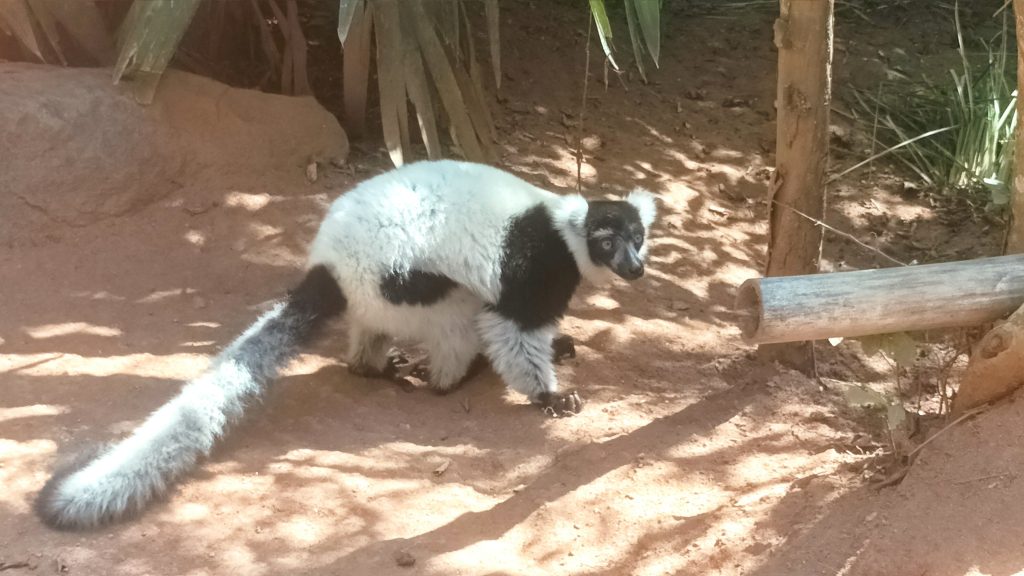
Aye-ayes were moved here in 1966, when the species was thought to be close to extinction and an uninhabited island looked like the safest refuge available. They survive, though seeing one still takes a night walk and considerable luck. What you get more reliably are black-and-white ruffed lemurs, an unusual density of leaf-tailed geckos, and trails gentle enough to walk without effort.
Down near the old anchorage, Dutch sailors carved inscriptions into the rocks centuries ago, which most guides will show you. Camping is permitted, and a night on the island is one of the better experiences available in northeastern Madagascar.

Nosy Mangabe. Thirty minutes by boat from Maroantsetra. Easy trails, black-and-white ruffed lemurs, leaf-tailed geckos, aye-aye on a night walk if fortune allows. Camping possible. The reliable option when the sea is rough or time is short.
Masoala Peninsula. One to two hours by boat across the bay. Red ruffed lemurs, marine reserves, far larger forest and much harder walking. Needs several days and a tolerance for weather delays. Where the park really lives.
Humpback Whale Watching Tours in Antongil Bay
Humpback whale watching tours run from roughly July to September, when whales move into the Bay of Antongil to breed and calve. This is the largest bay in Madagascar and it is sheltered, so the water stays calm enough that mothers bring newborn calves here to teach them.
Boat trips leave from Maroantsetra and from the peninsula lodges. Some operators run whale watching by sea kayak, which puts you far closer to the water than a motorboat does and is a very different experience. Breaching adults and tail-slapping calves are common sights through the season.
The trade-off is weather. Whale season overlaps the cooler, wetter part of the year rather than the driest months, so anyone coming primarily for whales should expect more rain and rougher crossings than a forest-focused visitor in November.
Snorkelling and Sea Kayaking Trips on the Masoala Marine Parks
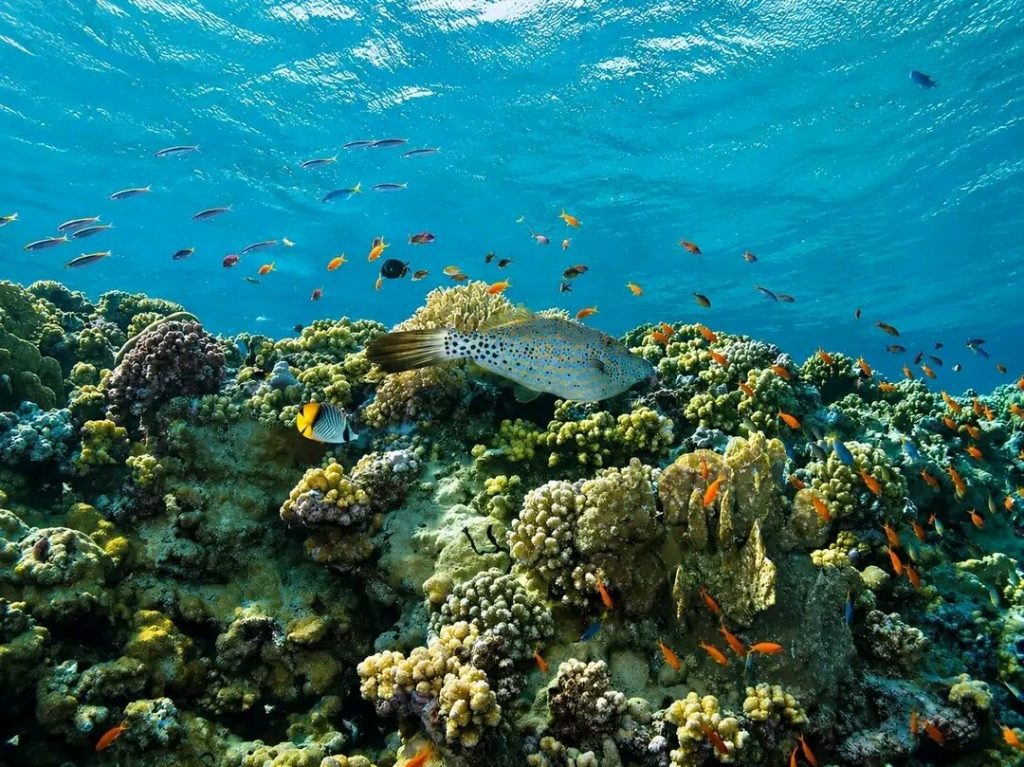
Three marine reserves sit off the peninsula: Tampolo, Ambodilaitry and Ifaho. Snorkelling trips here work straight off the beach, which is the detail that makes Masoala unusual. You walk out of rainforest and into water holding around 100 coral species, reef fish, lobsters and sea turtles.
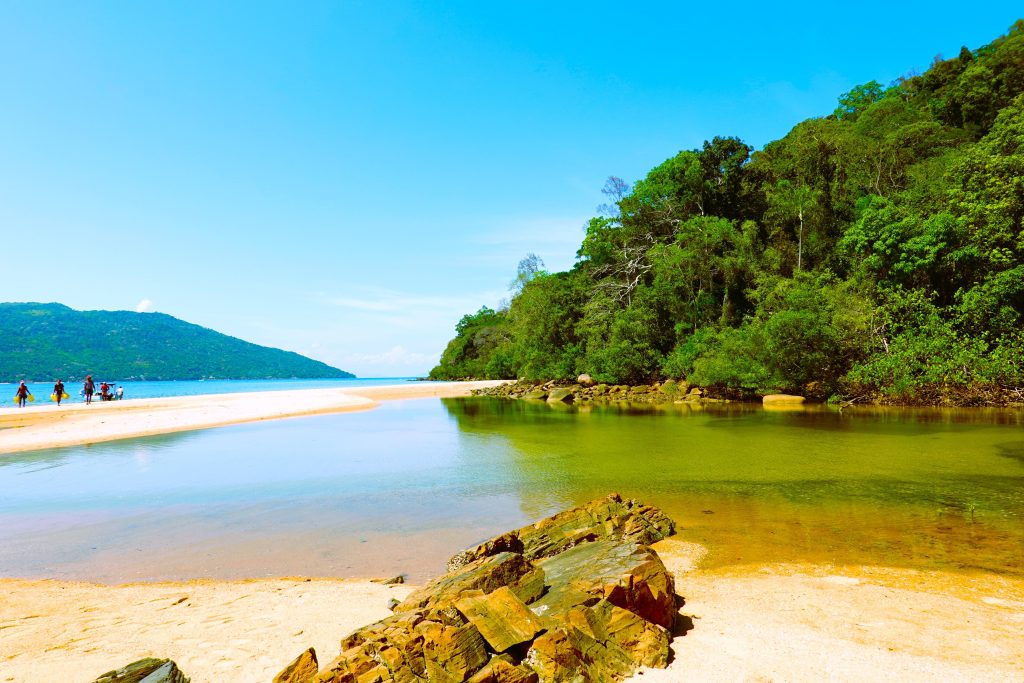
Sea kayaking along the coast is the other way to use the water. Granite boulders drop into clear sea with jungle overhanging the sand, and the paddling is sheltered enough for reasonable beginners in calm conditions.
Green and hawksbill turtles both use these waters. Dolphins are common, and dugongs are present though almost never seen.
Two safety points that matter here. The Bay of Antongil has a reputation for sharks, so swim where your guide tells you and not elsewhere. In wet periods the forest holds leeches in numbers, and leech socks with closed shoes are worth packing. Medical facilities in Maroantsetra are limited, which makes evacuation cover a sensible purchase.
Rainforest Birding Safaris for the Helmet Vanga and Red Owl
Birding safaris at Masoala target species that serious birders plan whole trips around. The helmet vanga, with its heavy blue bill, is the best known. The Madagascar red owl is among the least seen birds on the island, and Masoala is one of the more realistic places to try for it. Madagascar serpent-eagles are here too.
Around 90 to 100 bird species have been recorded. The forest is dense and much of the birding is by ear, so a guide who works by call makes the difference between a good list and a frustrating week. Arrange a bird specialist through your lodge in advance rather than hoping at the gate.
Leaf-Tailed Gecko and Chameleon Spotting Tours
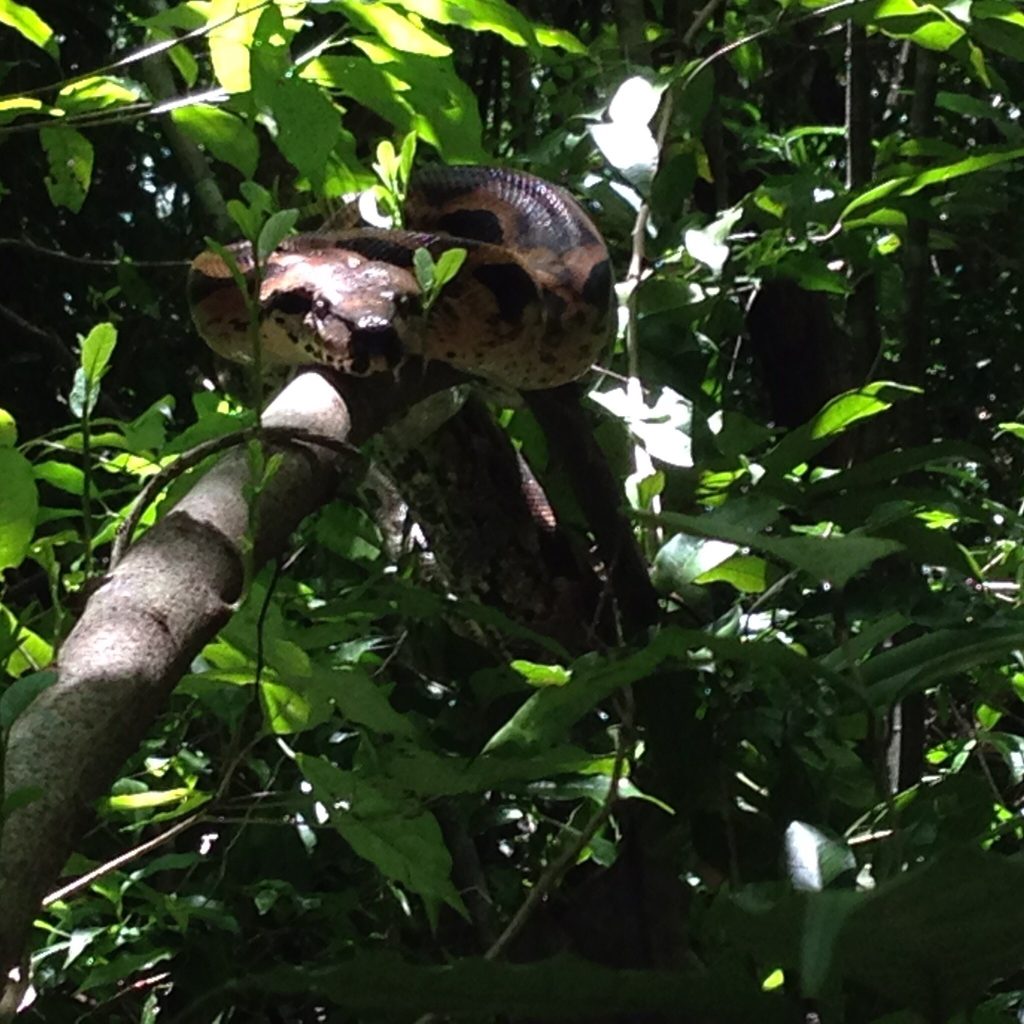
Reptile spotting tours here are exceptional even by Malagasy standards, with over 60 reptile and amphibian species recorded. Leaf-tailed geckos of the genus Uroplatus are unusually abundant, particularly on Nosy Mangabe, and finding one is a genuine test of a guide’s eye since they lie flat against bark and disappear.
Tomato frogs are the photogenic one, bright red and hard to miss once located. Brookesia vadoni, a tiny leaf chameleon, lives in the leaf litter along with larger species higher up. Madagascar day geckos work the trunks in bright green.
Night Walk Tours in the Coastal Rainforest
Night walk tours run from the lodges and from the campsite on Nosy Mangabe, and they are where the aye-aye search happens. Grey mouse lemurs and greater dwarf lemurs turn up more dependably. Sleeping chameleons, geckos and frogs fill out the rest.
Bring a strong headlamp and spare batteries. There is no mains electricity across most of the peninsula, and lodge generators run for limited hours.
Getting to Masoala National Park from Maroantsetra
Maroantsetra is the gateway, sitting at the inner corner of Antongil Bay roughly 750 km from the capital. Flights connect it to Antananarivo, and this is how nearly everyone arrives. Antalaha offers a road route from the north, though it is difficult and frequently impassable in the wet.
From Maroantsetra everything happens by boat. Nosy Mangabe is about thirty minutes out. Crossing to the peninsula lodges and park entry points takes one to two hours depending on the sea, in anything from a wooden pirogue to a speedboat. There is no road into the park at all.
This dependence on the water shapes every itinerary. Build in buffer days. Rough seas cancel crossings, and a schedule with no slack in it will break. Accommodation runs from Masoala Forest Lodge, with beach bungalows on the peninsula, down through community-run bungalows in the authorised visitor zones to simple guesthouses in Maroantsetra itself. Madagascar National Parks maintains campsites at Tampolo and on Nosy Mangabe, though you bring your own gear or hire it in town.
Best Time for a Masoala Trip
Masoala is the wettest place in Madagascar and rain falls in every month of the year. That is precisely why the forest looks the way it does. The question is not how to avoid rain but which trade-off suits you.
September to December. The driest stretch and the usual recommendation. Calmer seas, better trail conditions and active wildlife. Boat crossings are more reliable, which matters more here than anywhere else in the country.
July to September. Whale season in Antongil Bay. Cooler and wetter than the spring window, with rougher water, but humpbacks with calves are the reason many people come at all.
April to June. Shoulder period as the heavy rain eases. Fewer visitors and reasonable conditions, though seas can still be unsettled and some trails stay waterlogged.
January to March. Cyclone season. The park is often unreachable, crossings stop and most lodges close. Not a period to plan around.
Pack for permanent damp. A serious poncho, waterproof bags for cameras and documents, and quick-drying clothing, because cotton will not dry here at any point in the year.
Frequently Asked Questions
How much does it cost to visit Masoala National Park?
Park entry follows the standard Madagascar National Parks rate of 45,000 Ariary per adult per day, with children under twelve at 25,000 Ariary, and Nosy Mangabe is charged separately as part of the same protected area. Guides are compulsory and charged per group by circuit. The real expense is transport: flights to Maroantsetra from the capital, then boat hire for every movement, which is priced by the trip and adds up quickly. Park fees are cash in Ariary. Budget the flights and boats first.
What will accommodation cost?
The range is wide. Simple guesthouses in Maroantsetra sit at the budget end, community bungalows in the visitor zones are modest, and the peninsula eco-lodges are among the more expensive properties in Madagascar because everything they use arrives by boat. Camping at Tampolo or on Nosy Mangabe is the cheapest option if you carry or hire gear in town.
Will I see an aye-aye?
Probably not, and anyone promising otherwise is overselling. The population on Nosy Mangabe was introduced decades ago and survives, but the animals are nocturnal, sparse and hard to locate. Several nights of walking improves the odds. Treat a sighting as a windfall rather than the reason for the trip.
How difficult is the walking?
Harder than most Malagasy parks. Trails on the peninsula are steep, muddy and often overgrown, with river crossings and leeches in wet periods. Nosy Mangabe is much gentler and suits anyone reasonably mobile. Fitness matters less than a tolerance for being wet for days at a time.
How many days do I need?
Four to five nights is a realistic minimum: a night in Maroantsetra either side, a day on Nosy Mangabe and two or three on the peninsula. Add buffer days beyond that, because sea conditions cancel crossings and a tight schedule will cost you the park rather than a morning.
Can I combine Masoala with other parks?
Maroantsetra connects by air to Sambava, which is the gateway for Marojejy, making a serious northeastern rainforest circuit for anyone with two weeks or more. That pairing gives you the silky sifaka and the red ruffed lemur, two of the rarest lemurs in Madagascar, in a single trip. Both are demanding and neither is a soft introduction to the country.
Is Masoala worth the effort?
For naturalists, yes. It holds the largest remaining rainforest in Madagascar, species found nowhere else, and reefs you can snorkel straight off the beach. For a first visit to the country, probably not. Andasibe and Ranomafana give more visible wildlife for far less logistics, and Masoala rewards travellers who already know what they are looking at.
Planning Your Visit
Masoala punishes tight itineraries more than any park in Madagascar, because everything depends on a boat and the boat depends on the sea. The travellers who do well here are the ones who arrive with spare days and no fixed idea of which morning they will be where.
Booking Your Madagascar Trip
The safari companies and tour operators listed on this website put trips like this together for a living and know which camps, guides and routes actually deliver. We are an independent guide to Madagascar; we do not book or sell tours ourselves.
When you are ready, arrange your safari, tour or holiday with one of the recognised operators listed here. Tell them your dates and what matters most, and a real person, not a form, will handle the itinerary, park bookings and logistics for you.