Nosy Mangabe

Nosy Mangabe is a 520-hectare rainforest island about 2 km off Maroantsetra, part of Masoala National Park and reached in around thirty minutes by boat. Aye-ayes were introduced here in 1966 when the species was thought close to extinction, and they survive. Black-and-white ruffed lemurs, an unusual density of leaf-tailed geckos and centuries-old Dutch inscriptions fill out a visit.
Why Nosy Mangabe Matters
The island is the accessible half of Masoala. Where the peninsula requires one to two hours by boat across water that cancels in rough seas, Nosy Mangabe is thirty minutes from Maroantsetra and considerably more reliable.
Its trails are gentle enough to walk without effort, which sets it apart from the steep muddy circuits on the mainland peninsula.
The forest is genuine primary rainforest on a small island, which produces a density of wildlife that larger areas dilute. Leaf-tailed geckos in particular occur here at concentrations reported nowhere else.
For travellers who reach Maroantsetra but cannot commit to the peninsula, or whose crossings are cancelled by weather, the island delivers a real Masoala experience on a single day.

Aye-ayes were moved here in 1966 when an uninhabited island looked like the safest place left for them. They survive, and seeing one still takes luck.
Aye-Aye Watching
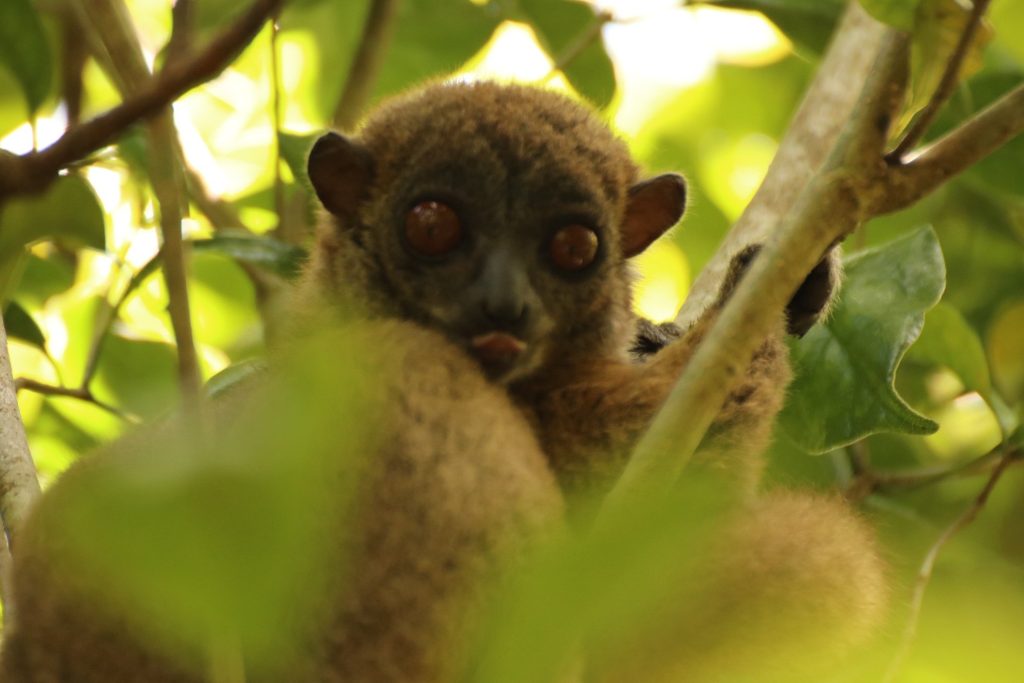
The aye-aye is the strangest primate alive, with rodent-like teeth, enormous ears and a skeletal middle finger used to tap for grubs beneath bark and hook them out. It was long thought to be a rodent and is the sole member of its family.
The population here was introduced in 1966, when the species was believed close to extinction and an uninhabited island seemed the safest refuge available. That judgement proved sound and the animals persist.
Seeing one is another matter. They are nocturnal, sparse and hard to locate, and a sighting requires a night walk and considerable luck. Several nights improves the odds.
Anyone whose priority is the aye-aye rather than the island should know that Palmarium on the Pangalanes Canal provisions them on a small island for night viewing, which is reliable and not a wild sighting. Nosy Mangabe is the wild option and correspondingly uncertain.
Ruffed Lemurs and Other Wildlife
Black-and-white ruffed lemurs are the reliable primate sighting, loud and active in the canopy, and considerably easier to see here than on the mainland peninsula.
White-fronted brown lemurs and nocturnal species including mouse lemurs and dwarf lemurs also occur.
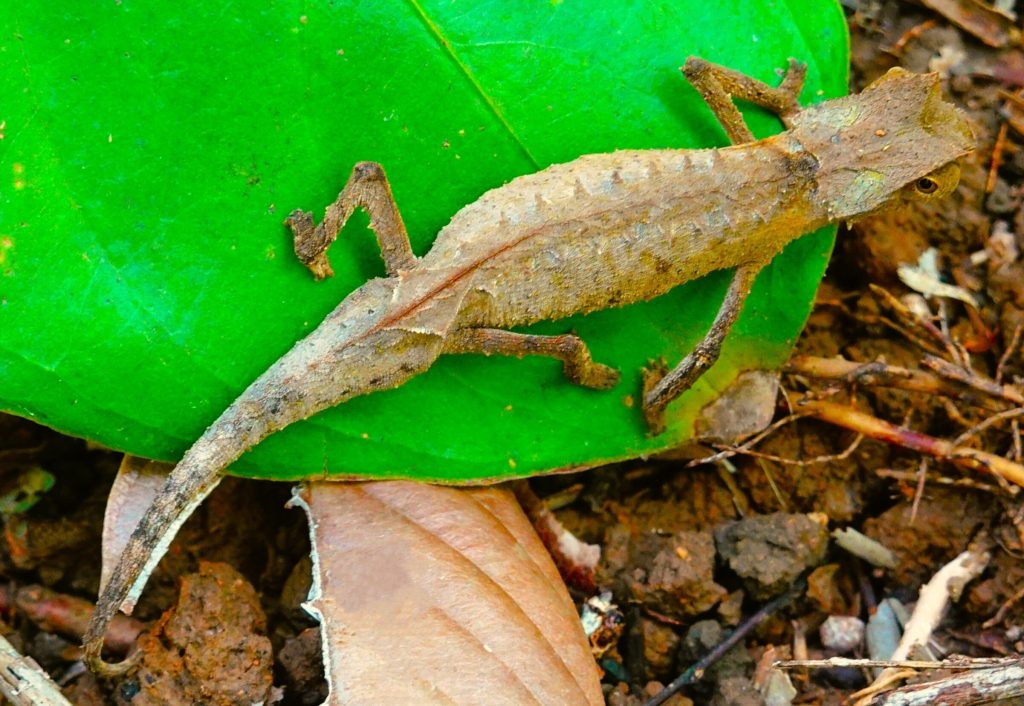
Leaf-tailed geckos of the genus Uroplatus are the reptile speciality, present at an unusual density. They press flat against bark with fringed skin eliminating any shadow, and even once a guide has pointed at the exact spot the animal takes time to resolve.
Frogs, chameleons and snakes fill out a list that rewards night walking. The island’s small size means a guide covers a meaningful proportion of it in a single walk.
Day trip from Maroantsetra. Thirty minutes by boat, gentle trails, ruffed lemurs, leaf-tailed geckos and the Dutch inscriptions. What most visitors do, and it works even when peninsula crossings are cancelled.
Overnight camping. Permitted on the island and the only way to attempt the aye-aye, since sightings need a night walk. One of the better experiences available in the northeast for travellers prepared for basic conditions.
The Dutch Inscriptions
Near the old anchorage on the western side, Dutch sailors carved inscriptions into the rocks in the seventeenth century, and most guides will show you them.
The island sat on shipping routes between Europe and the East Indies, and vessels used the sheltered anchorage for water and repairs. The carvings record ships and dates.
They sit alongside the wider history of this coast, which included the Indian Ocean piracy centred on Île Sainte-Marie further south from around 1685.
It takes ten minutes and gives the island a human layer that the wildlife alone does not.
Walking the Island
Trails on Nosy Mangabe are gentle by Malagasy standards, which is part of the appeal after the steep circuits at Marojejy or the Masoala peninsula.
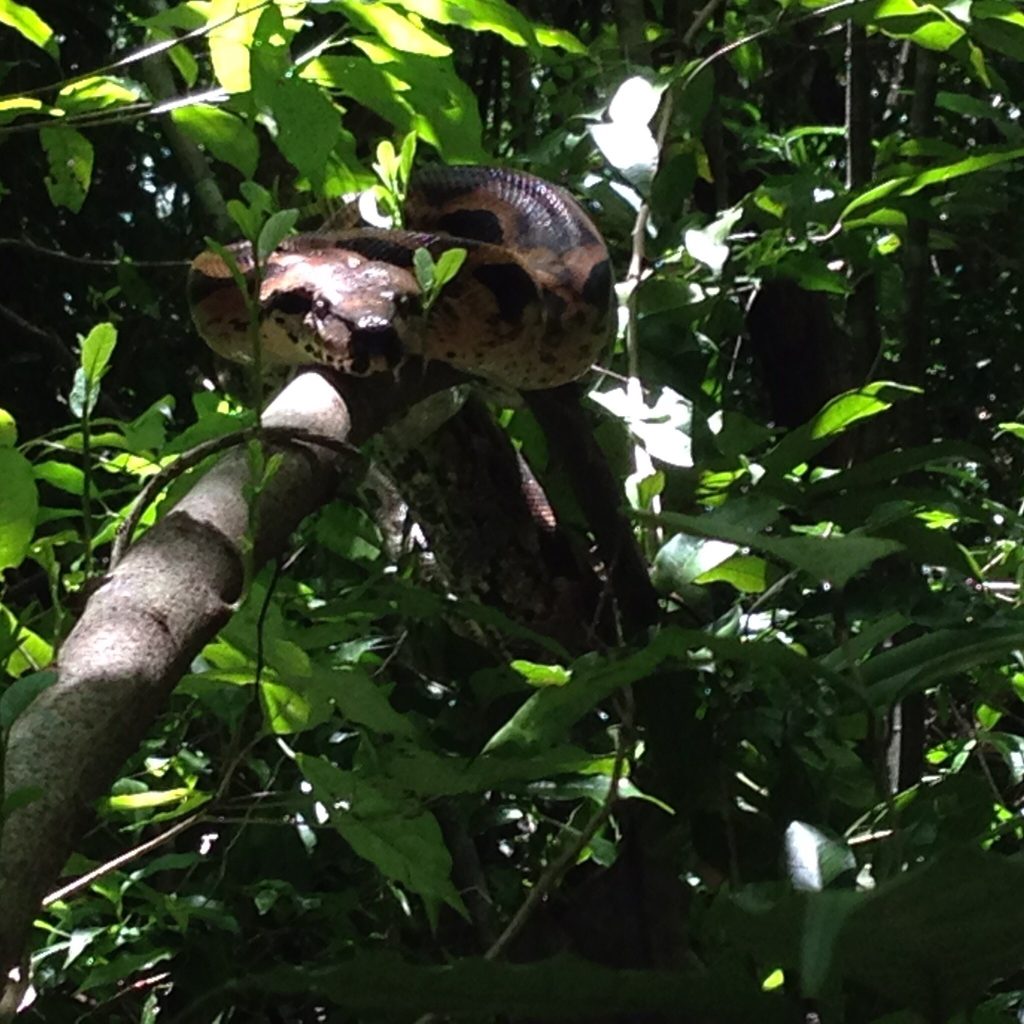
Paths climb from the beach through primary rainforest, and the island’s small size means a guide can cover a meaningful proportion of it in a single walk. Nothing here requires the fitness that the mainland northeast demands.
The wildlife density compensates for the scale. Leaf-tailed geckos occur at concentrations reported nowhere else, and the ruffed lemurs are loud enough to locate by ear.
Walking at night is where the island earns its reputation, since the aye-ayes, mouse lemurs, dwarf lemurs and most of the reptile interest are nocturnal. Camping is what makes that possible.
Bring a headlamp with spare batteries, since there is no power on the island, and closed shoes for humid uneven ground.
Rain is possible in any month here, as it is across the northeast, so a waterproof belongs in a day pack even on a short crossing. Leeches appear in numbers during the wetter months, and leech socks with closed shoes are the practical answer.
Getting There and Camping
Maroantsetra is the gateway, reached by air from Antananarivo, Toamasina, Sambava or Antsiranana. There is no practical road route at all.
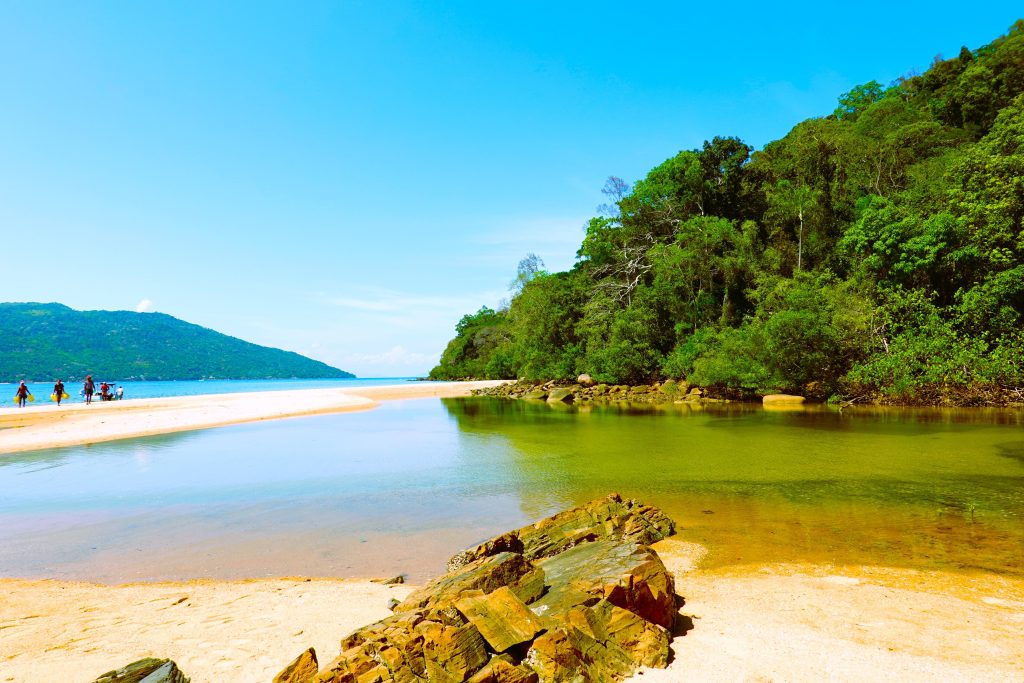
Boats to Nosy Mangabe take around thirty minutes and are arranged through lodges in Maroantsetra or through Madagascar National Parks. The crossing is considerably shorter and more reliable than the one to the Masoala peninsula.
Camping is permitted on the island at a designated site, and this is the only way to attempt the aye-aye since sightings need a night walk. Facilities are basic and everything is carried in.
Fees follow the Madagascar National Parks structure, paid in cash in Ariary, with guides compulsory. Maroantsetra has limited accommodation and is where provisioning happens.
Nosy Mangabe is the fallback when Masoala peninsula crossings are cancelled, which happens regularly in rough seas. Travellers who have flown to Maroantsetra and find the weather against them can still reach the island, since the shorter crossing is far more reliable. Building that into a northeast itinerary means a wasted day becomes a good one.
Maroantsetra and the Wider Northeast
Maroantsetra sits at the inner corner of the Baie d’Antongil and functions as the base for everything in this corner of Madagascar.
Beyond Nosy Mangabe, the Masoala peninsula is reached by boat in one to two hours, holding red ruffed lemurs found nowhere else, three marine reserves and the largest protected rainforest in the country.
The Baie d’Antongil itself is the principal humpback whale nursery in Madagascar, with animals breeding and calving there between roughly July and September.
Marojejy National Park is reached from Sambava rather than Maroantsetra, and the two connect by air, which lets travellers with two weeks combine the silky sifaka at Marojejy with the red ruffed lemur at Masoala.
That pairing gives two of the rarest lemurs in Madagascar in a single trip. Both are demanding, both depend on weather, and neither is a soft introduction to the country.
Best Time to Visit
The island shares Masoala’s climate, which is the wettest in Madagascar with rain in every month.
September to December. The driest stretch and the usual recommendation, with calmer seas making the crossing reliable and wildlife active. The strongest window overall.
July to September. Whale season in the Baie d’Antongil, with humpbacks in the surrounding water. Cooler and wetter than the spring window, with rougher crossings.
April to June. Shoulder period as heavy rain eases. Fewer visitors and reasonable conditions, though seas can still be unsettled and trails stay damp.
January to March. Cyclone season, when Maroantsetra becomes hard to reach and crossings stop. Most lodges close and the region is best avoided.
The island also serves as a useful first stop rather than a last one. Arriving at Maroantsetra and going straight to Nosy Mangabe gives you a working day of rainforest immediately, while the peninsula arrangements are confirmed and the weather assessed, which is better use of the time than waiting in town for a crossing.
Frequently Asked Questions
Will I see an aye-aye on Nosy Mangabe?
Probably not, and anyone promising otherwise is overselling. The population was introduced in 1966 and survives, but the animals are nocturnal, sparse and hard to locate. A sighting needs a night walk and considerable luck, with several nights improving the odds. Palmarium on the Pangalanes provisions them for reliable night viewing instead.
How do I get there?
Fly to Maroantsetra from Antananarivo, Toamasina, Sambava or Antsiranana, since there is no practical road route. Boats to the island take around thirty minutes and are arranged through lodges or Madagascar National Parks. The crossing is far more reliable than the one to the Masoala peninsula.
What does it cost?
Park fees follow the Madagascar National Parks structure at 45,000 Ariary per adult per day with children under twelve at 25,000, paid in cash in Ariary, with compulsory guide fees on top. The boat charter is arranged separately and priced per trip. Flights to Maroantsetra are the largest single cost.
Can I camp on the island?
Yes, at a designated site, and it is the only way to attempt the aye-aye since sightings require a night walk. Facilities are basic and everything is carried in from Maroantsetra. A night on the island is one of the better experiences available in the northeast.
Is it a substitute for Masoala peninsula?
Not a substitute but a useful complement, and a genuine fallback when peninsula crossings are cancelled in rough seas. The island has gentler trails, higher wildlife density and a shorter crossing. The peninsula has red ruffed lemurs, the marine reserves and considerably more forest.
What will I definitely see?
Black-and-white ruffed lemurs are reliable, loud and active in the canopy. Leaf-tailed geckos occur at unusual density and a guide will find them. The Dutch inscriptions near the old anchorage take ten minutes. Aye-ayes, mouse lemurs and dwarf lemurs need a night walk and luck.
How long do I need?
A day trip covers the trails, the wildlife and the inscriptions comfortably. An overnight is needed for any realistic aye-aye attempt. Most visitors combine the island with several days on the Masoala peninsula, which needs a week in total including buffer days for weather.
When should I go?
September to December for the driest conditions and most reliable crossings. July to September brings humpback whales to the surrounding Baie d’Antongil. January to March is cyclone season when Maroantsetra becomes hard to reach, crossings stop and most lodges close.
Planning Your Trip
Nosy Mangabe is the most reliable part of a northeast itinerary and the part most likely to survive bad weather. Building it in alongside the Masoala peninsula gives a trip somewhere to go when the sea turns, which on that coast is a practical rather than theoretical concern.
Booking Your Madagascar Trip
The safari companies and tour operators listed on this website put trips like this together for a living and know which camps, guides and routes actually deliver. We are an independent guide to Madagascar; we do not book or sell tours ourselves.
When you are ready, arrange your safari, tour or holiday with one of the recognised operators listed here. Tell them your dates and what matters most, and a real person, not a form, will handle the itinerary, park bookings and logistics for you.