Nosy Be

Nosy Be is Madagascar’s main island destination, a volcanic island off the northwest coast known for ylang-ylang plantations, white-sand beaches and the string of smaller islands within easy boat reach. Most visitors combine beach time with day trips to Nosy Tanikely, Nosy Komba and the Lokobe forest. The island lies about 8 km off the mainland and is served by an international airport.
Island Hopping Tours to Tanikely, Komba and Iranja
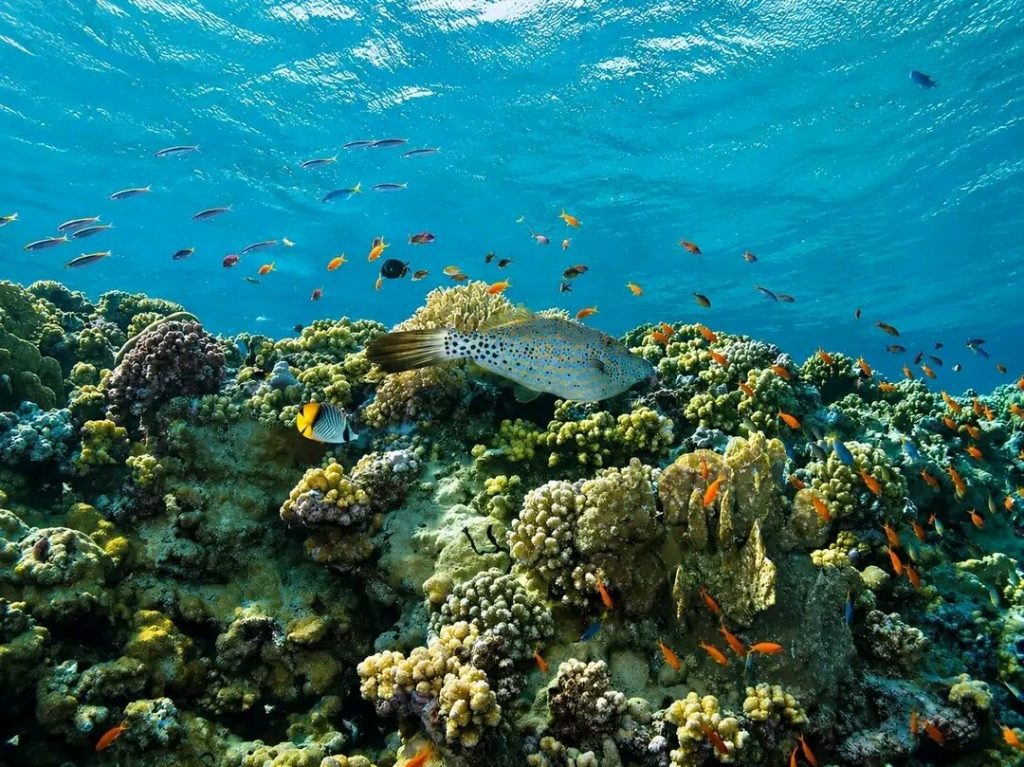
Island hopping tours are what most people actually spend their days doing here. Nosy Tanikely is the marine reserve, a small island with a lighthouse and coral gardens close enough to shore that snorkelling starts a few metres off the beach. Green turtles are routine.
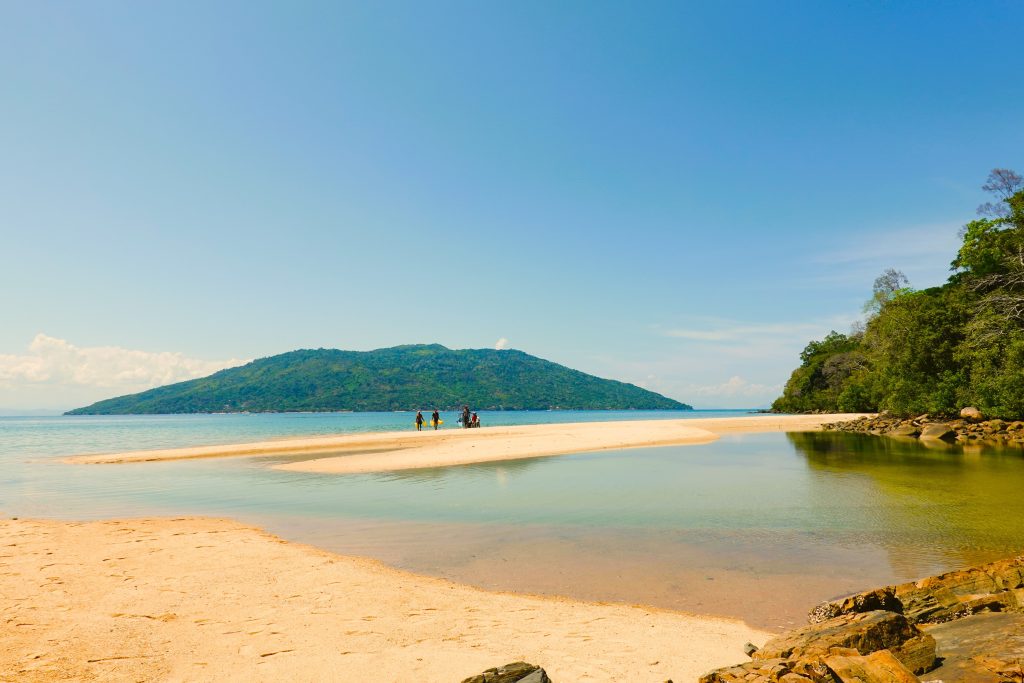
Nosy Komba is a short hop away and holds a village where habituated black lemurs come down to visitors, alongside woodcarving workshops and craft stalls. Nosy Iranja lies about ninety minutes south and is the postcard image, two islets joined by a white sandbar you can walk at low tide, with nesting turtles and seabirds.
Nosy Sakatia is the quieter option, walked with a local guide past vanilla, coffee and mango trees, and known for swimming with sea turtles. Boats for all of these are arranged through hotels or directly with operators at the beaches.
Mont Passot Sunset Tours and the Crater Lakes
Sunset tours to Mont Passot are the standard evening outing. At 329 metres it is the highest point on the island, reached by road from Hell-Ville, and the view runs 360 degrees across the crater lakes, the forest and out to the offshore islets.
Eight sacred lakes fill old volcanic craters below the summit, holding freshwater fish and carrying restrictions that local custom attaches to them. Guides will explain which are approachable.
Three walking routes cover the area. Antsahamanavaka takes in the lakes, a sacred waterfall and medicinal plants. Antsidihy is the birding route, passing ylang-ylang plantations and Sakalava villages. Amparihibe climbs among orchids. Dawn is cooler and mistier than dusk, and better for birds.
Diving and Snorkelling Trips Around Nosy Be
The reefs are the main draw for a large share of visitors, and snorkelling trips run daily from every beach. Tanikely is the protected site and the easiest, with healthy coral and fish visible without a certificate.
Scuba operators are based at Ambatoloaka and along the west coast beaches, running sites around the archipelago at a range of depths. Whale sharks pass through seasonally and draw dedicated boat trips, and humpback whales move along this coast in the middle months of the year.

Nosy Be is the most expensive part of Madagascar and it catches budget travellers out. Boat excursions, restaurant meals and accommodation all cost considerably more than the mainland. Agree boat prices before departing rather than on return, and check which currency an operator wants.
Lokobe Reserve Tours and Black Lemur Watching
Lokobe tours take a morning and reach the last stand of primary rainforest on the island, protected since 1927 and reached only by dugout canoe from the fishing village of Ambatozavavy.
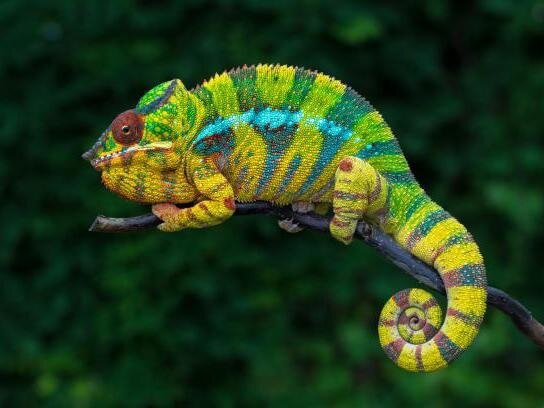
Black lemurs are the resident species, with males near-black and females chestnut with white ear tufts. Panther chameleons, leaf-tailed geckos and boas are the other finds. Guiding is compulsory inside the park and touching or feeding wildlife is prohibited.
Worth knowing: the lemur handling some visitors report on Nosy Be happens at village-run sites outside the park boundary and at Lemuria Land, not inside Lokobe. If that distinction matters to you, book an accredited park guide.
Ylang-ylang built this island’s economy and cleared most of its forest to do it. Lokobe is what survived, a few hundred hectares of what once covered everything.
Ylang-Ylang Plantation Tours and the Perfumed Island
Nosy Be is called the perfumed island for a reason, and plantation tours explain it. Ylang-ylang trees cover the hillsides, their flowers distilled into an oil that goes into perfume, and the smell carries on the air across much of the island.
The French introduced the crop along with sugarcane in the colonial period, and distilleries still operate. Tours typically take in the trees, the distillation process and the wider spice picture, since vanilla, coffee, pepper and cocoa all grow here.
Lemuria Land near Hell-Ville combines a plantation visit with a wildlife park holding lemurs, tortoises and crocodiles. It is popular with families and is a captive facility rather than wild viewing, which is worth knowing before you book.
Hell-Ville Walking Tours and the Island’s History
Walking tours of Hell-Ville, properly called Andoany, take an hour or two. The town is named after a French admiral rather than anything more colourful, and colonial buildings, old cannons and a covered market survive from that period.
The island’s history runs deeper than the French. Austronesian settlers, African migration, Arab traders and European colonists all left marks, and the Sakalava and Antankarana are the peoples of this coast. The market is the best part of a visit, dense with spices, crafts and produce.
Marodoka, a short distance away, holds the remains of an old Swahili and Indian trading settlement and is worth a stop for anyone interested in the pre-colonial period.
Beaches and Where to Stay on Nosy Be
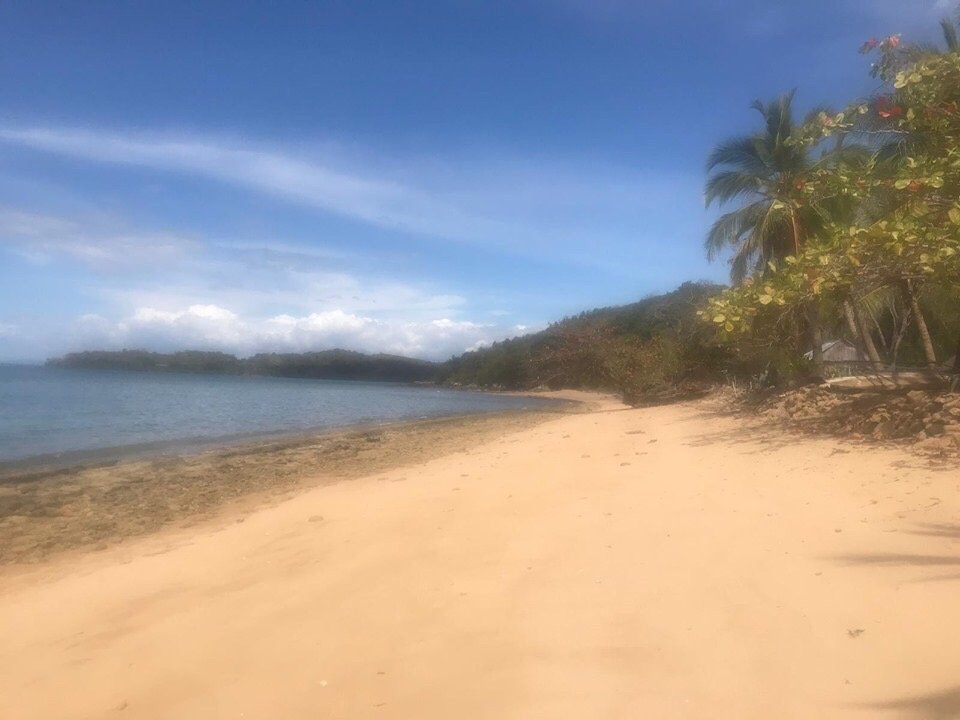
Andilana at the northwestern tip is widely rated the best beach on the island, a long stretch of white sand with clear turquoise water and the larger resorts. Ambatoloaka on the west coast is the busiest, with bars, restaurants and dive operators, and a livelier atmosphere than some visitors want.
Madirokely sits beside it and is slightly calmer. Ambondrona, in a small bay north of Madirokely, is quieter still with views across to the mainland hills.
Ambatoloaka and Madirokely. West coast, busiest, most restaurants and nightlife, dive centres on the doorstep. Convenient for excursions and for anyone who wants somewhere to go in the evening.
Andilana and the north. Best beach, larger resorts, quieter and more spread out. Better for a beach-focused stay, though further from Hell-Ville and the boat departure points.
Sakalava and Antankarana Culture on Nosy Be
The Sakalava are the dominant people of this coast, with Antankarana communities to the north and east, and both have a longer association with the Indian Ocean trade than with mainland Madagascar. That shows in the food, the music and the Islamic influence visible around Hell-Ville and Marodoka.
Sacred sites are scattered across the island, including several of the crater lakes below Mont Passot and specific trees and springs. Restrictions attach to them and are taken seriously locally. Guides brief visitors before approaching, and the rules are usually simple: no swimming in certain lakes, no photography at particular sites, and no pork brought to some places.
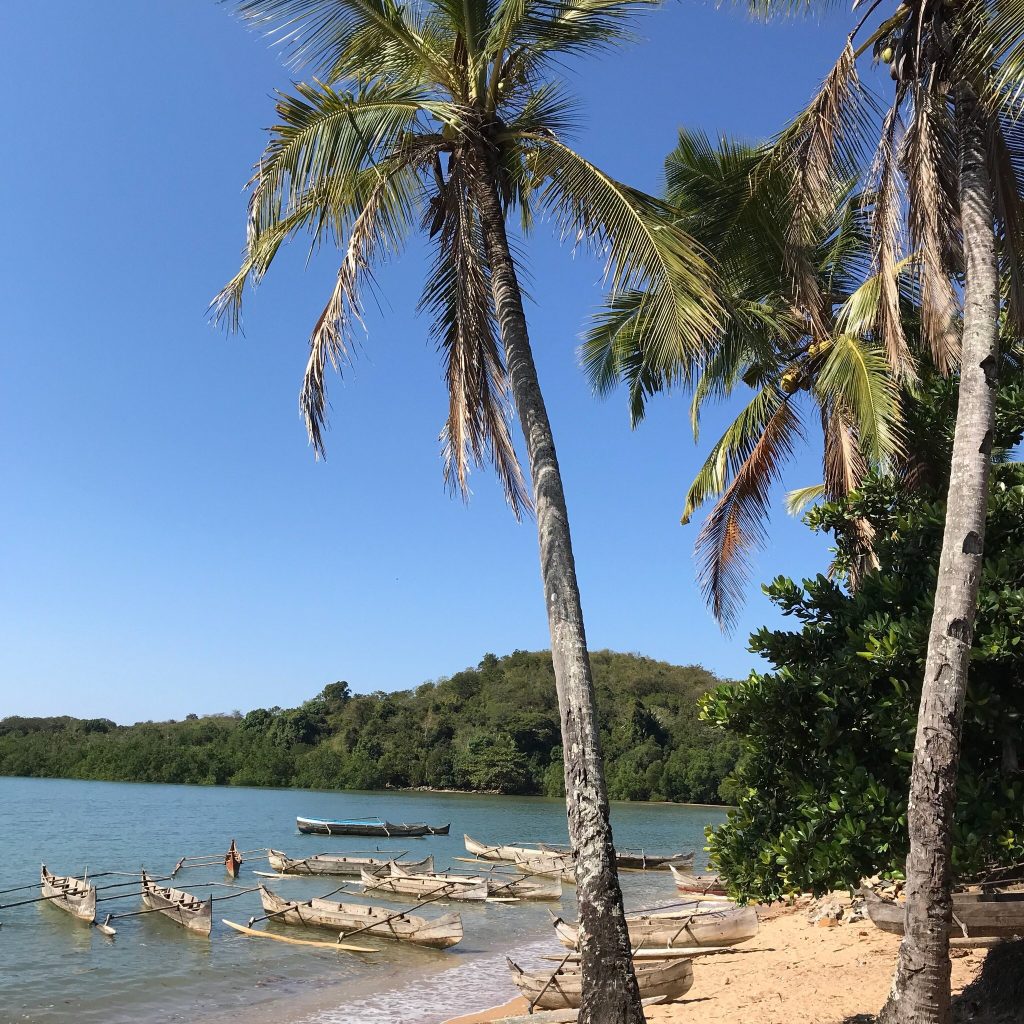
Village visits can be arranged through most hotels and are more rewarding than the resort strip suggests. Fishing villages along the coast still work from pirogues, and the boat crews taking you to Tanikely or Sakatia mostly come from them.
The island passed through Arab trading networks long before the French arrived in the nineteenth century, and the layers are still legible if you look for them rather than staying on the beach.
Getting to Nosy Be and Around the Island
Fascene airport serves Nosy Be with domestic flights from Antananarivo and seasonal international connections, which is how most visitors arrive. The alternative is a road trip to Ankify on the mainland followed by a boat crossing, which takes considerably longer but costs a fraction.
On the island, taxis are plentiful and fares are negotiated rather than metered. Taxi-brousse services run the main roads cheaply and slowly. Many hotels arrange transfers and excursions directly, which is simpler if less flexible.
Hell-Ville is the administrative centre and where the banks, the market and the port are. Distances are short, with Mont Passot about 15 km from town, though the roads mean journeys take longer than the map suggests.
Best Time to Visit Nosy Be
The climate is warm year-round with around 340 days of sunshine, split into two clear seasons.
April to June. Rains have finished, the island is green and temperatures are pleasant. Fewer visitors than peak season and calmer seas for boat trips. Good value.
July to September. Dry season and the busiest period. Reliable weather, calm crossings and humpback whales passing along the coast. Book accommodation and excursions ahead.
October and November. Warm and dry with excellent conditions underwater. Whale sharks appear in this window, drawing dedicated trips. Quieter than the mid-year peak.
December to March. Wet season with cyclone exposure, particularly February and March. Heavy rain and rough seas can cancel boat trips. Prices drop and the island empties.
Frequently Asked Questions
How expensive is Nosy Be compared with the rest of Madagascar?
Noticeably more. Accommodation, meals and excursions all cost more here than on the mainland, and boat trips in particular add up quickly since most are priced per outing rather than per person. Budget travellers find the beaches world-class and the daily spend uncomfortable. Taxi-brousse and local eateries bring costs down considerably if you are prepared to use them.
How many days should I spend?
Four to five nights covers the island properly: a day for Tanikely and Komba, a morning at Lokobe, an evening at Mont Passot, a day trip to Iranja and time on a beach. A week suits anyone who wants diving or a slower pace. Two nights only scratches it.
Which island day trip is best?
Tanikely for snorkelling, which is the strongest single outing and easy for non-divers. Iranja for the beach and the sandbar, though it is a longer boat ride. Komba is usually combined with Tanikely and adds the lemurs and craft market. Sakatia is the quiet one for walking and turtles.
Can I see whales or whale sharks?
Humpback whales pass along this coast through the middle of the year, and whale sharks appear seasonally in the later months. Both draw dedicated boat trips. Neither is guaranteed, and operators vary in how they conduct these outings, so ask how they handle distance and numbers in the water before booking.
Is Nosy Be a good introduction to Madagascar?
It is a good beach holiday with wildlife attached, but it is not representative of the country. The island is more developed, more expensive and more geared to visitors than anywhere on the mainland. Travellers wanting to see Madagascar itself should pair Nosy Be with mainland parks rather than treating it as the whole trip.
How do I get to the mainland from Nosy Be?
Boats run to Ankify on the mainland, from where roads lead south toward Ambanja and on to the RN6. That route connects to Ankarana and Amber Mountain in the far north, making a natural combination for anyone wanting forest as well as reef.
Is it safe?
Yes, with the usual precautions for a tourist destination. Petty theft occurs around the busier beaches and in Hell-Ville. Agree prices with taxis and boat operators in advance, keep valuables secure at the beach, and take normal care after dark around the nightlife areas at Ambatoloaka.
Planning Your Visit
Nosy Be works best when you treat it as a base rather than a beach. The island itself is pleasant and the surrounding archipelago is the real attraction, so the days that matter are the ones spent on a boat.
Booking Your Madagascar Trip
The safari companies and tour operators listed on this website put trips like this together for a living and know which camps, guides and routes actually deliver. We are an independent guide to Madagascar; we do not book or sell tours ourselves.
When you are ready, arrange your safari, tour or holiday with one of the recognised operators listed here. Tell them your dates and what matters most, and a real person, not a form, will handle the itinerary, park bookings and logistics for you.