Andilana Beach, Nosy Be

Andilana sits at the northwestern tip of Nosy Be and is widely rated the finest beach on the island, a bay of white sand backed by the largest resorts in Madagascar. The water stays between 25 and 34 degrees depending on season and tide, and the sunsets face west across open sea. It is the developed end of Malagasy beach travel, which is either the appeal or the reason to go elsewhere.
The Beach Itself
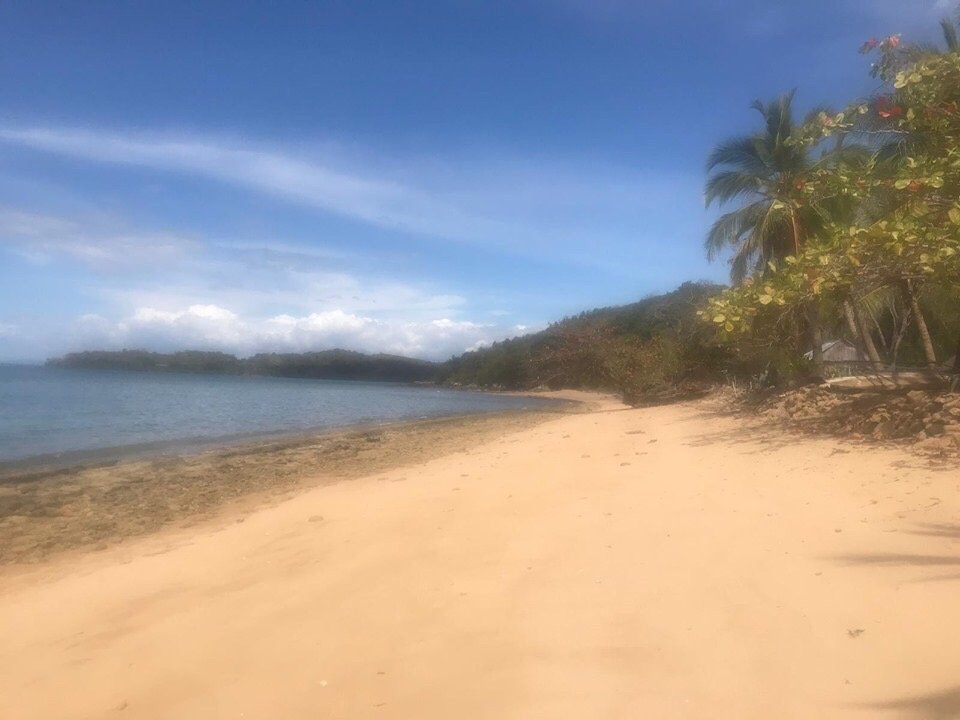
Andilana Bay curves around white sand with clear water and a gentle shelf, sheltered enough for easy swimming and open enough to catch the sunset head on.
The main resort holds two beaches totalling over 800 metres between them, one busier with watersports and entertainment and one quieter. Public stretches sit alongside, and the sand runs further than any single property.
Water temperature is the detail that surprises people. It rarely drops below 25 degrees and at low tide between December and March the shallows can reach 34, which is warmer than most swimming pools.
Nosy Be records around 340 days of sun a year, and Andilana faces the right direction to make use of the last hour of it.
Shallow water at 34 degrees in the warm months, white sand facing west, and around 340 days of sun a year. Andilana is the easiest beach in Madagascar to enjoy and the least wild.
What Andilana Is and Is Not
This is the most developed beach in Madagascar and the standard is genuinely higher than elsewhere in the country. The largest resorts sit here, with pools, restaurants, entertainment and organised excursions.
Set against that, it is not empty. Where Île aux Nattes and the Three Bays stay quiet even in high season, Andilana has hotel guests, beach sellers and organised activity.
Nosy Be as a whole is the most expensive part of Madagascar across every category, and Andilana is the most expensive part of Nosy Be.
Travellers wanting resort comfort with excursions arranged for them do well here. Those wanting the empty coastline Madagascar is otherwise known for should look at Île aux Nattes, Anakao or the Three Bays.
Beach sellers work the sand, offering crafts, boat trips and excursions. Firm but polite refusal is understood, and agreeing prices before anything happens prevents the usual friction.
Excursions from Andilana
The archipelago is what makes staying here worthwhile beyond the sand.
Nosy Tanikely is a marine reserve about thirty minutes out, with coral gardens a few metres off the beach and reliable green turtles. The best snorkelling in Madagascar for anyone without a certificate.
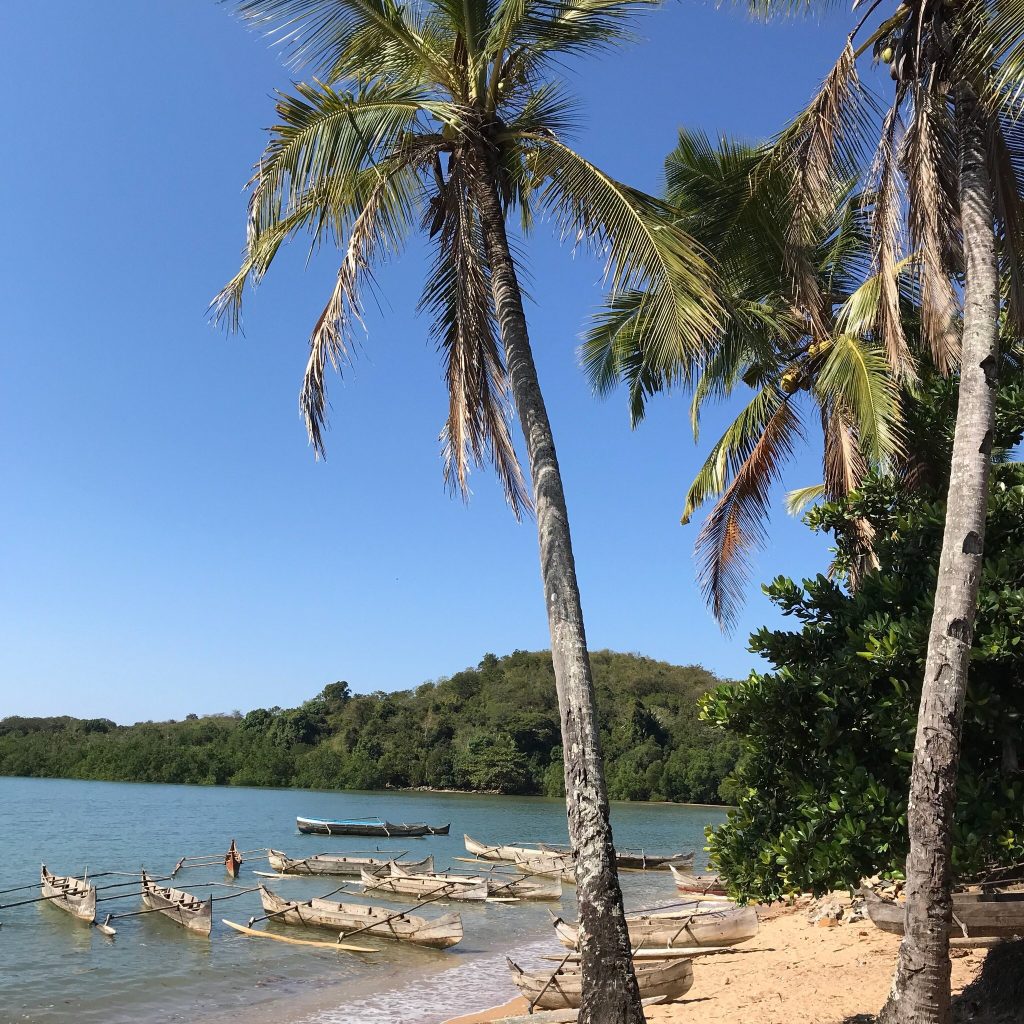
Nosy Komba has habituated black lemurs at a community reserve and the best craft market in the area. Most operators combine it with Tanikely into one day.
Nosy Iranja is ninety minutes out, two islets joined by a sandbar that appears at low tide, with turtles nesting in season.
Nosy Sakatia is the quiet one, known for swimming with green turtles, and Lokobe National Park protects the last primary rainforest on Nosy Be, reached only by dugout pirogue.
Inland, Mont Passot rises to 329 metres with eight sacred crater lakes below it and the standard sunset viewpoint on the island.
Andilana. The best beach on Nosy Be with the largest resorts, pools and organised excursions. Most developed and most expensive. Suits travellers wanting comfort and arrangements handled.
Ambatoloaka and Madirokely. On the west coast, busier with bars, restaurants and dive operators. More nightlife and more local life. Cheaper and considerably less polished.
Elsewhere in Madagascar. Île aux Nattes for the best beaches at a fraction of the price with no cars. The Three Bays near Diego Suarez for genuine emptiness. Anakao for a working Vezo village.
Getting There and Staying
Fascene airport on Nosy Be receives domestic flights from Antananarivo and some direct international services, mostly seasonal charters and connections from Réunion and Mauritius.
Andilana sits at the northwestern tip, around an hour from the airport by road depending on conditions. Transfers are arranged through hotels.
The alternative route is by boat from Ankify on the mainland, which suits travellers coming overland from Diego Suarez via Ankarana and the RN6 rather than flying and doubling back.
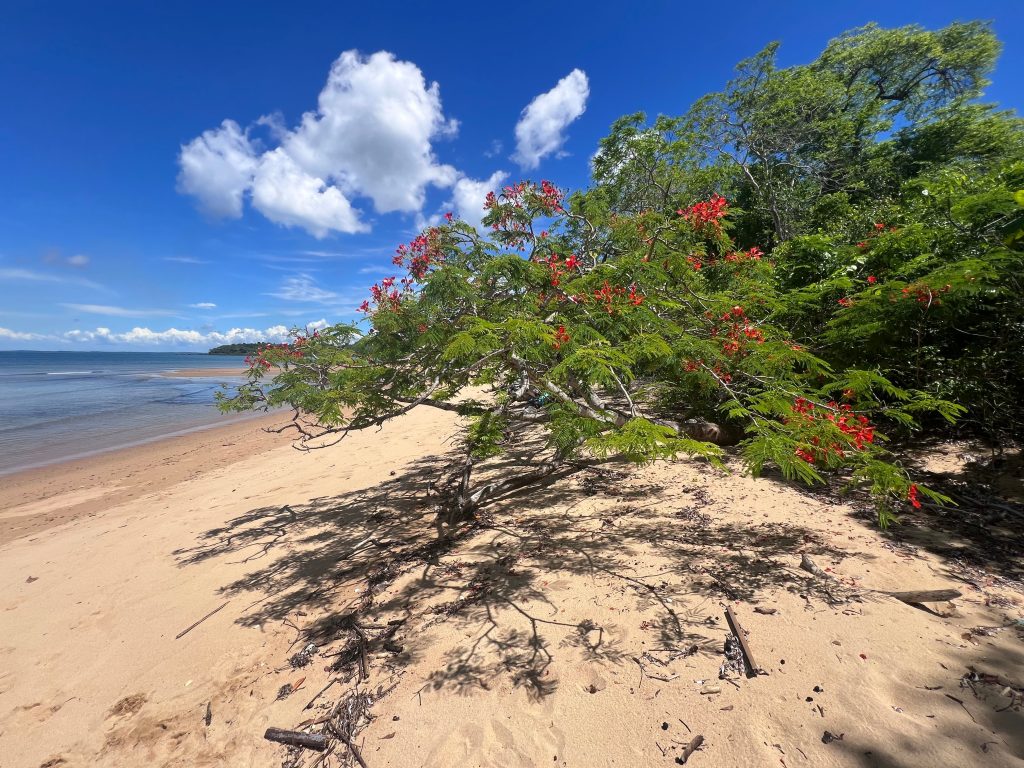
Accommodation ranges from the large resorts to smaller lodges and guesthouses nearby. Rates are the highest in Madagascar, and half or full board arrangements are common at the resorts.
Hell-Ville, properly Andoany, is the main town on the island with banks and the ferry connections, around an hour away.
Stomach upsets are commonly reported by visitors to Nosy Be, and travellers should follow the usual precautions rather than assuming resort standards remove the risk. Drink bottled or treated water including for teeth, be cautious with ice, and favour food cooked and served hot. Rehydration salts are the most useful thing in a medical kit here.
Eating and Practicalities at Andilana
The resorts operate on half or full board arrangements in most cases, which is worth checking before booking since it changes the comparison against cheaper options elsewhere on the island.
Outside the resorts, options at the northern tip are limited. Smaller lodges and a handful of restaurants serve the area, but the concentration of eating and drinking is on the southwest coast at Ambatoloaka and Madirokely, around an hour away.
Hell-Ville, properly Andoany, has the banks and the ferry connections, roughly an hour by road. Draw cash there or at the airport rather than assuming machines are available closer.
Getting to the rest of the island needs a vehicle. Scooter rental runs around 15 to 20 euros a day and is the popular independent option, with tuk-tuks and mototaxis for shorter runs at fares agreed beforehand.
Roads away from the main routes are unpaved and potholed, and the hour to Ambatoloaka is longer than the distance suggests.
The Rest of Nosy Be
Andilana is one corner of an island worth exploring beyond it.
Ambatoloaka on the west coast is the busiest beach, with bars, restaurants and dive operators, and a livelier atmosphere than some visitors want. Madirokely beside it is calmer and Ambondrona quieter still.
Lokobe protects around 740 hectares of lowland rainforest with black lemurs, panther chameleons and boa constrictors, reached by pirogue from Ambatozavavy. Feeding and handling are prohibited inside the park, unlike at Nosy Komba’s community reserve.
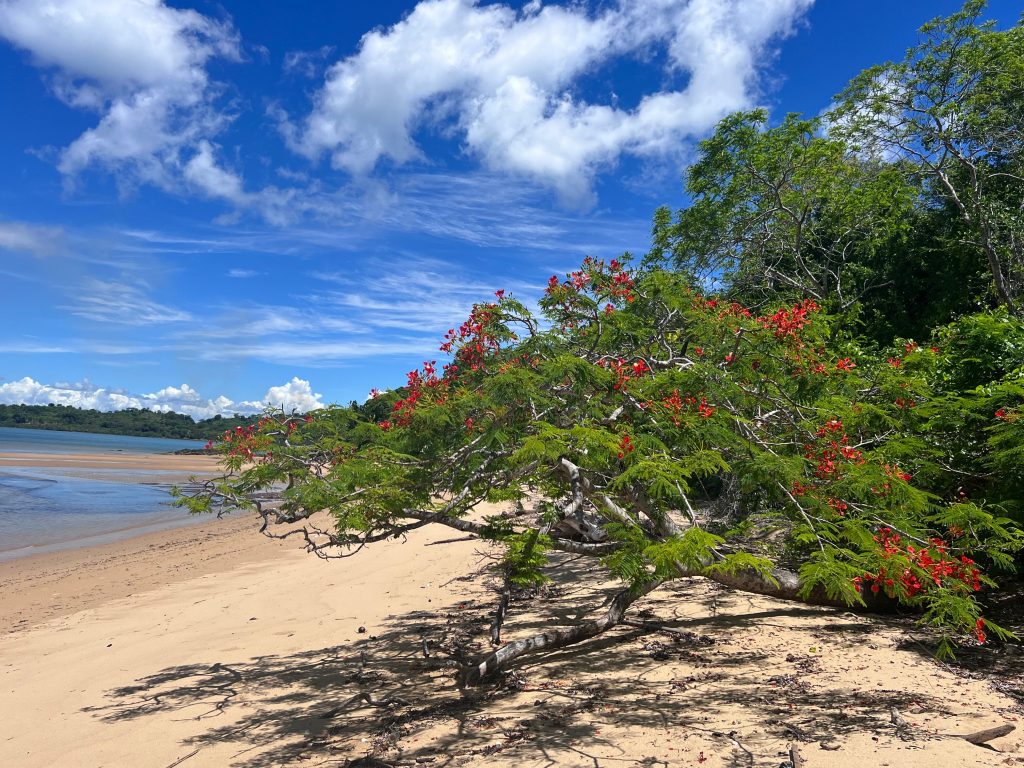
Ylang-ylang plantations cover the hillsides, distilled into oil for perfume and giving the island its name as the perfumed island. Plantation tours are widely arranged.
Humpback whales pass along the coast during the mid-year months, and whale sharks appear from around September into December with swimming permitted.
Lemurs live in the resort parkland at Andilana, habituated and used to people, which is the easiest lemur viewing on the island and the least wild. Lokobe is where the same species live under proper protection with feeding and handling prohibited.
Best Time to Visit
Nosy Be is warm year-round and sees less cyclone impact than the east coast.
April to June. Seas settling after the rains, good visibility and comfortable temperatures with fewer visitors. A reliable shoulder window with lower rates than mid-year.
July to September. Dry season and peak visitor period, with humpback whales passing offshore. Calmest crossings for the island excursions. Book resorts well ahead.
October and November. Warm and dry with the best underwater visibility. Whale sharks appear toward the end. Quieter than mid-year and among the strongest windows overall.
December to March. Warmest, with the year’s rain and the shallows at Andilana reaching 34 degrees at low tide. Cyclone exposure applies though less than the east coast. Prices drop.
Sunset here draws people to the sand every evening, and the west-facing bay is the reason. It is the one thing at Andilana that costs nothing and needs no arrangement, and the resorts position their beach bars for exactly that hour.
Frequently Asked Questions
Is Andilana the best beach in Madagascar?
It is widely rated the best on Nosy Be, with white sand, clear water and west-facing sunsets. Whether it is the best in the country depends on what you want. Île aux Nattes off Sainte-Marie is rated higher by many travellers for sand and quiet, at a fraction of the price and with no cars at all.
How do I get to Andilana?
Fly into Fascene airport on Nosy Be from Antananarivo or on one of the seasonal direct international services, then around an hour by road to the northwestern tip. Alternatively arrive by boat from Ankify on the mainland, which suits travellers coming overland from Diego Suarez via Ankarana.
How warm is the water?
It rarely drops below 25 degrees and at low tide between December and March the shallows can reach 34, warmer than most swimming pools. Offshore the sea holds between 25 and 27 degrees year-round down to around 25 metres, which suits diving in any season.
Is it expensive?
Yes, by Malagasy standards. Nosy Be is the most expensive part of the country across every category and Andilana is the most expensive part of Nosy Be, with the largest resorts and half or full board arrangements common. Île Sainte-Marie and Île aux Nattes cost a fraction for comparable or better beaches.
What excursions run from here?
Nosy Tanikely for the best snorkelling in Madagascar, Nosy Komba for black lemurs and crafts, Nosy Iranja for the sandbar and turtles, Nosy Sakatia for swimming with turtles, and Lokobe National Park by pirogue for the last rainforest on the island. Mont Passot inland has eight sacred crater lakes.
Is it crowded?
By Madagascar standards, yes. Andilana has hotel guests, beach sellers and organised activity where Île aux Nattes and the Three Bays stay quiet even in high season. It is the developed end of Malagasy beach travel, which suits some travellers and disappoints those expecting empty coast.
Are there health concerns?
Stomach upsets are commonly reported on Nosy Be and resort standards do not remove the risk. Drink bottled or treated water including for teeth, be cautious with ice and favour food cooked and served hot. Malaria prophylaxis is standard advice for the whole country outside the capital.
When should I visit?
October and November for the best all-round conditions with warm dry weather and excellent underwater visibility. July to September for humpback whales and calm crossings, at peak prices. April to June is the value shoulder. December to March brings rain and the warmest shallows.
Planning Your Trip
Andilana is where Madagascar comes closest to a conventional beach holiday, and it works on those terms. What it does not offer is the emptiness that defines the rest of the country’s coast, which is worth knowing before booking rather than discovering on arrival.
Booking Your Madagascar Trip
The safari companies and tour operators listed on this website put trips like this together for a living and know which camps, guides and routes actually deliver. We are an independent guide to Madagascar; we do not book or sell tours ourselves.
When you are ready, arrange your safari, tour or holiday with one of the recognised operators listed here. Tell them your dates and what matters most, and a real person, not a form, will handle the itinerary, park bookings and logistics for you.