Nosy Tanikely
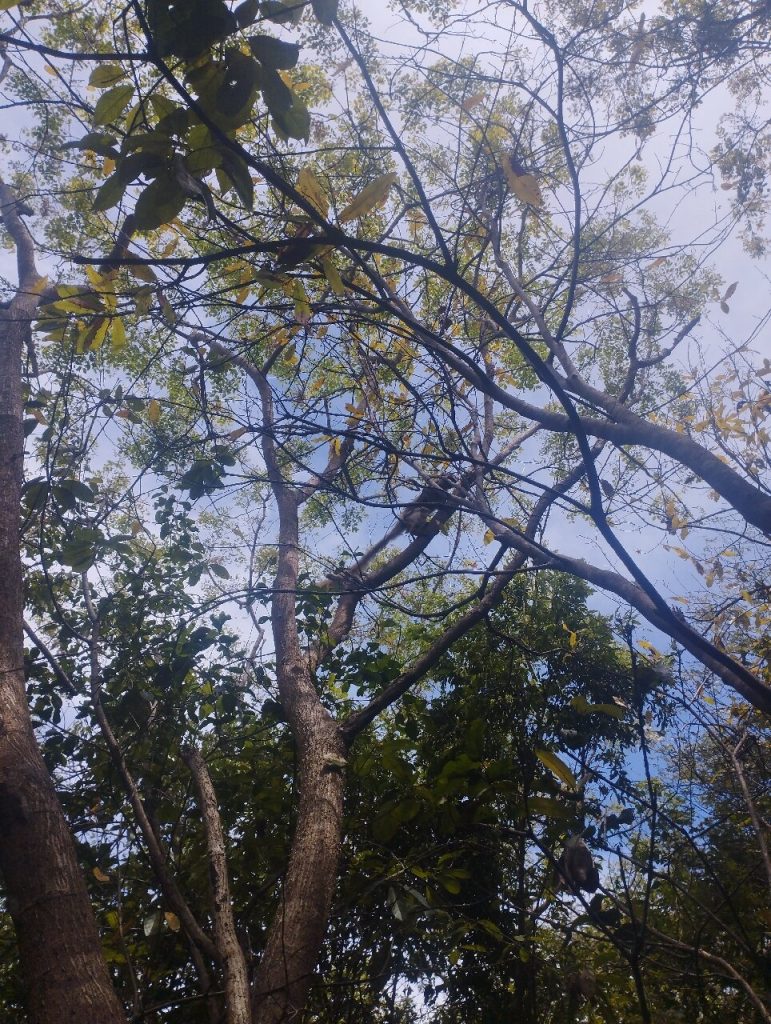
Nosy Tanikely is Madagascar’s most accessible marine park, an uninhabited island south of Nosy Be where green and hawksbill turtles feed on reef you can reach by wading in from the beach. Visitors come on day trips for snorkelling, a walk to the lighthouse and a picnic. The reserve covers a 700-metre radius around the island, has been protected since 2010, and holds no accommodation of any kind.
Snorkelling Tours on the Tanikely Reef
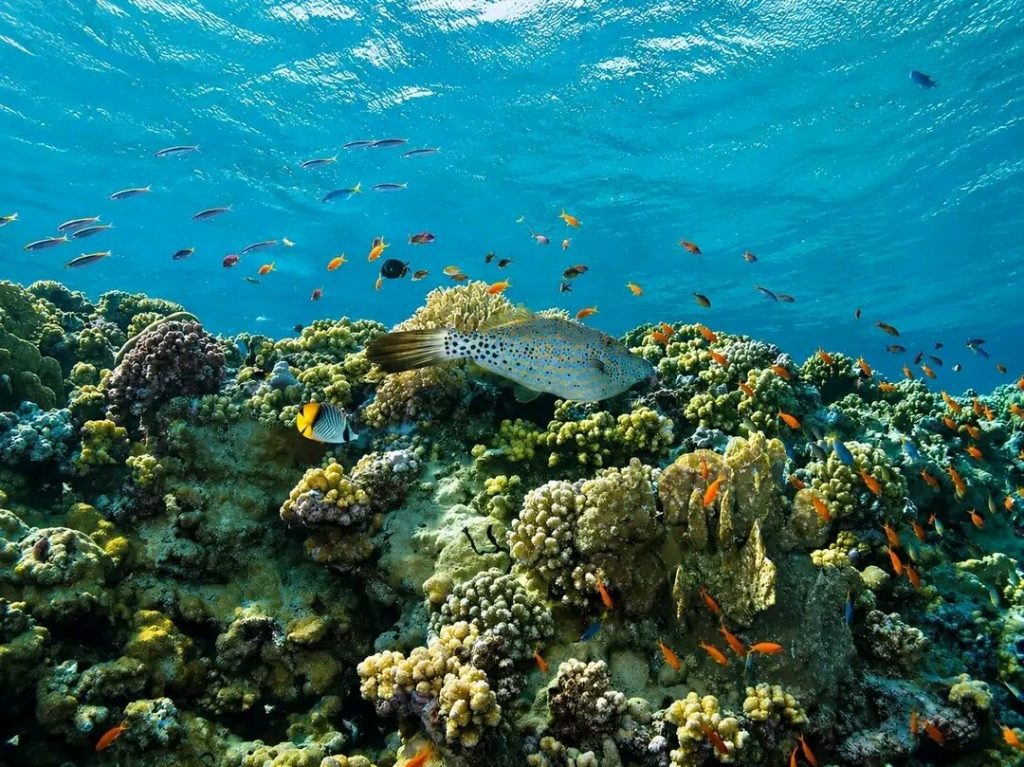
Snorkelling tours are why almost everyone comes. The reef starts a few metres from the sand on the eastern beach, so there is no boat ride to a site and no need to be a strong swimmer. Coral cover is high, currents are usually mild and the water sits between 25 and 30 degrees.
Turtles are the draw and sightings are close to routine, with green and hawksbill both resident year-round. Several hundred reef fish species work the coral, including angelfish, butterflyfish, parrotfish and triggerfish, along with moray eels, rays and occasionally small reef sharks that pose no threat.
Go in the morning. Wind picks up through the day and visibility drops with it. Snorkelling gear can be hired from the reserve cabin or from the excursion boats, though bringing your own mask means one that fits.
Nobody sleeps on Tanikely. The island is uninhabited, boats may not anchor overnight, and there is no restaurant. Bring a picnic, water and sun protection. On-site facilities amount to a reception, an interpretation centre, toilets and a picnic area.
Scuba Diving Trips Around the Island
Diving trips from Nosy Be use Tanikely as a training and introductory site, and the reasons are practical. Average depth around the island is about 12 metres with a maximum near 18, and visibility runs from 10 to 30 metres through the year.
That combination makes it one of the better places in Madagascar for a first open-water experience or for getting back in after a long gap. Buoys mark the reserve boundary and diving is permitted all around the island within it.
Plankton blooms cut visibility at times, which is a nuisance for photographers and a benefit for anyone hoping to see larger fish, since the plankton is what draws them in.
Lighthouse Hiking Tours and Island Viewpoints
Hiking tours to the lighthouse take under an hour on an easy path through the island’s forest. The climb is short and the view from the top runs across Nosy Be, Nosy Komba and the mainland coast.
From July to November humpback whales pass through these waters and can sometimes be picked out from the lighthouse viewpoint, which turns a short walk into something worth timing.
Most visitors do the walk after lunch, once the morning snorkelling is done and before the boats head back. It breaks up a day that would otherwise be entirely in the water.
The lighthouse itself is a working navigation marker rather than a visitor attraction, and the reserve boundary is measured outward from it. Knowing that helps orient you in the water, since the 700-metre radius is what defines where you may and may not swim and dive.
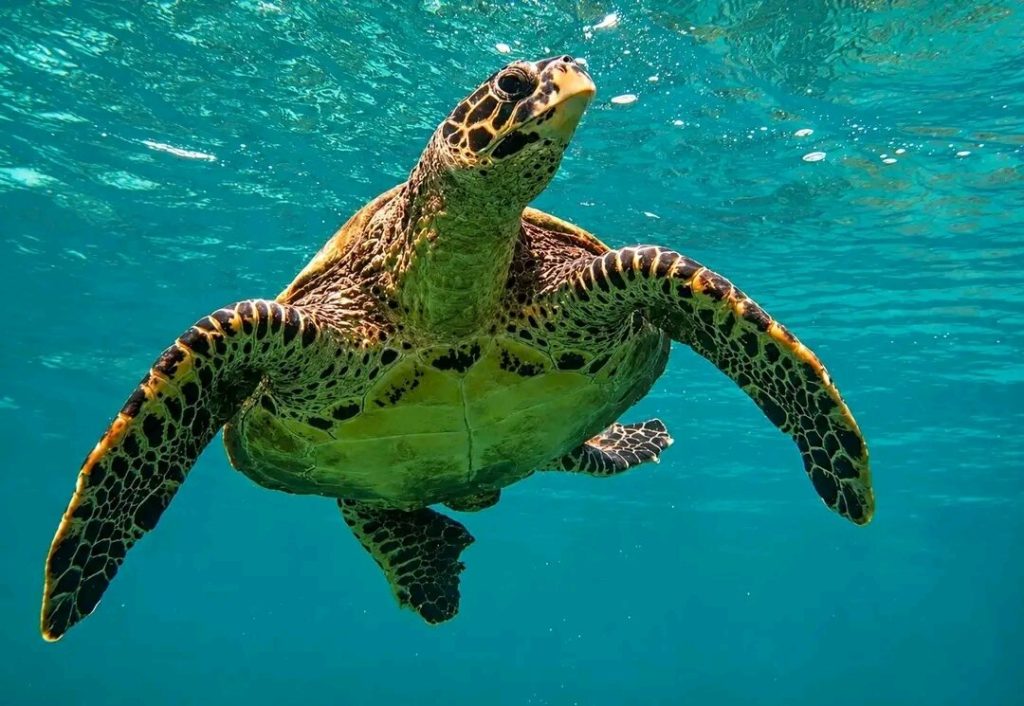
Turtles a few metres from a beach you can wade in from, and an island you are not allowed to stay on. Tanikely works because nobody lives there.
Wildlife Watching Tours on the Island Itself
Land wildlife watching here is a modest business next to the reef, but the walk to the lighthouse turns up more than people expect. Black lemurs have been introduced and are usually visible along the path.
A colony of flying foxes roosts on the island, hanging in daylight with wings folded around them. Panther chameleons move slowly between shrubs, Trachylepis lizards hide under leaf litter along the trail, and hermit crabs are everywhere on the sand.
The interpretation centre covers the island’s history and biodiversity and is worth ten minutes, particularly if you want to know how a reef this healthy survived in a region under heavy fishing pressure.
The name Tanikely translates as small land island, which tells you what to expect on the terrestrial side. This is a marine park where nearly all the biodiversity sits below the waterline, and the land species are a pleasant secondary rather than the reason anyone books a boat.
Beach Time and Picnic Trips
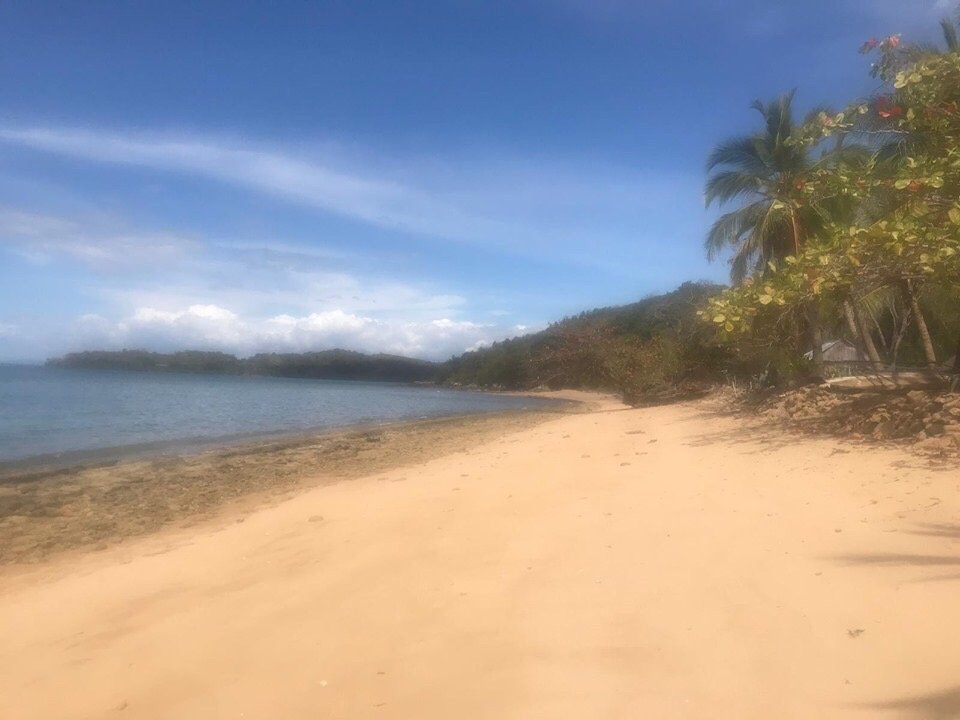
The eastern beach is the designated bathing area and the place most picnic trips settle for the day. Soft sand, shade under the vegetation and turquoise water make it the kind of beach people photograph and then sit on for four hours.
Organised day tours from Nosy Be almost always include lunch, usually cooked on the boat or brought across and served under the trees. Independent visitors bring their own, since there is nothing to buy on the island.
Combined day tour. Most operators pair Tanikely with Nosy Komba, stopping there for lemurs and crafts in the morning and using Tanikely for snorkelling and lunch. The standard Nosy Be excursion.
Tanikely alone. A direct boat gets you there early, before the tour fleet arrives, with the best water conditions and a quiet beach. Better for snorkellers and divers who want time rather than variety.
Conservation and Why the Tanikely Reef Is Still Healthy
A reef in this condition is not an accident, and it is worth knowing what happened here. Tanikely sits in a region under heavy fishing pressure, where coral elsewhere has been degraded by netting, anchor damage and sedimentation from cleared land on the mainland.
Protection arrived in 2010, drawing a 700-metre boundary around the lighthouse and putting the island under a management association that includes Madagascar National Parks alongside local bodies. Fishing inside that circle stopped. Boats were barred from anchoring overnight, which removed the anchor scarring that damages coral over time. Nobody was permitted to live on the island or build on it.
The results are visible from the surface. Coral cover is high, fish populations are dense enough to be obvious to a snorkeller with no training, and turtles feed here year-round rather than passing through. Eight staff from the managing association handle visitors, and entry revenue funds the protection.
For a visitor the practical implication is straightforward: follow the rules on where you may swim, do not stand on or touch coral, and take nothing off the reef. The shells and coral fragments on the beach stay there.
Getting to Nosy Tanikely from Nosy Be
Tanikely lies about 10 km south of Nosy Be and roughly five nautical miles from Nosy Komba, reachable only by boat. Excursions leave from Hell-Ville, Ambatoloaka and the beach hotels, and the crossing takes well under an hour in reasonable conditions.
The park opens at seven in the morning and closes at four. Officials arrive around eight, and arriving before then is tolerated provided you wait to pay when they get there.
Tickets are sold at the reception on the island, at the park office in Hell-Ville, or online in advance. Management sits with the Tanikely National Park association, a partnership of three bodies including Madagascar National Parks, with a small team handling visitors on site.
Since nobody stays on the island, accommodation means Nosy Be, which offers everything from beach resorts at Ambatoloaka and Andilana down to guesthouses in town. Nosy Komba has smaller lodges and puts you closer.

Best Time to Visit Nosy Tanikely
Nosy Be enjoys sunshine most of the year and the reef is diveable throughout. Sea conditions and whale season are the variables.
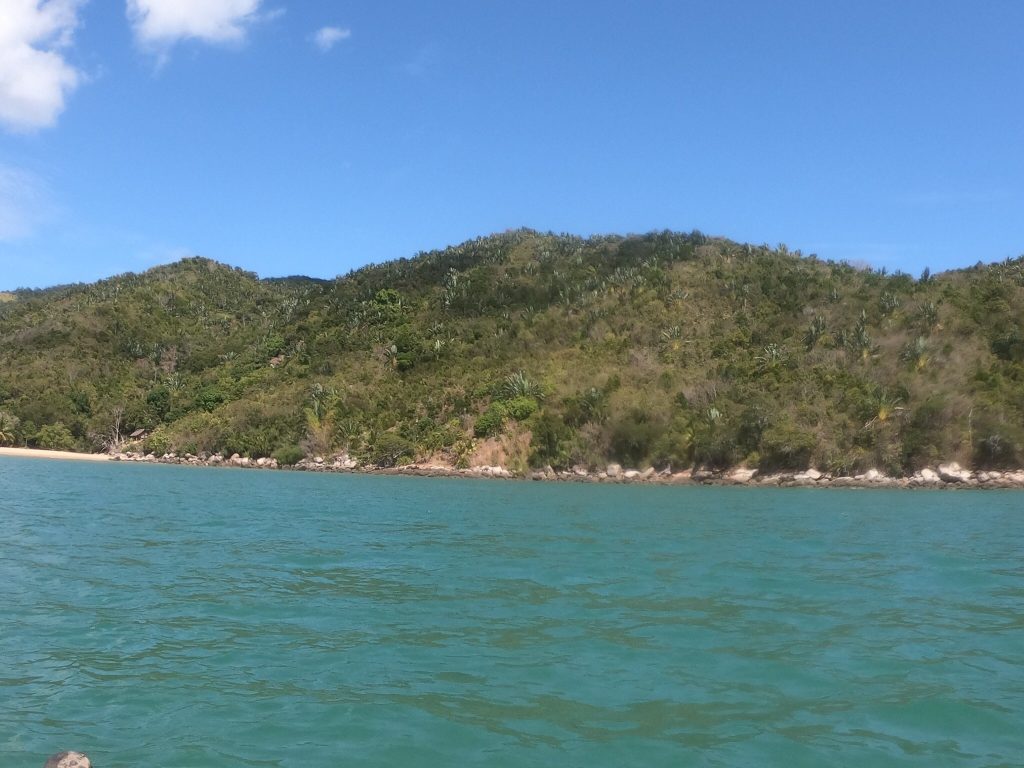
April to June. Following the rains the seas settle and visitor numbers are still low. Water is warm and visibility good. One of the better windows for a quiet day on the island.
July to September. Peak season and whale season, with humpbacks passing offshore and sometimes visible from the lighthouse. Busiest months, so book the excursion ahead and go early to beat the fleet.
October and November. Warm, settled and still within the whale window at the start. Very good conditions overall, with slightly thinner crowds than midwinter.
December to March. Wettest and most cyclone-exposed. Crossings can be rough or cancelled outright and visibility suffers after heavy rain. The park stays open when the weather allows.
Frequently Asked Questions
How much does it cost to visit Nosy Tanikely?
Entry is charged per person at the reception on the island, at the park office in Hell-Ville, or online in advance, with rates set by the managing association rather than the standard national park schedule. Snorkelling gear hires from the reserve cabin for around 10,000 Ariary. Most visitors pay a bundled excursion price from Nosy Be covering the boat, lunch and often the entry fee, so check what is included before paying twice.
Can I stay overnight on the island?
No. Tanikely is uninhabited, there is no accommodation, and boats are not permitted to anchor there overnight. The park runs from seven in the morning until four in the afternoon and everyone leaves. Base yourself on Nosy Be or Nosy Komba.
Will I see turtles?
Very likely. Green and hawksbill turtles are resident rather than seasonal, and sightings while snorkelling are common enough that operators treat them as expected. Mornings are better, before the water gets churned up and the crowds arrive.
Do I need to be a strong swimmer?
No. The reef begins close to the eastern beach in shallow water with mild currents, so a mask and snorkel in waist-deep water shows you a great deal. Guided snorkelling is available for beginners, and the shallow gradient makes this one of the gentler reef sites in the region.
Is it good for a first dive?
It is among the better options in Madagascar. Depths of around 12 metres, visibility of 10 to 30 metres and warm calm water make it suitable for introductory dives and refreshers. Operators on Nosy Be run trips built around exactly this.
How does it compare with Lokobe?
They complement each other rather than compete. Lokobe on Nosy Be protects the island’s last lowland rainforest with black lemurs and chameleons, and is a morning walk. Tanikely is the marine equivalent and a day on the water. Most visitors staying on Nosy Be do both on separate days.
What should I bring?
Picnic food and plenty of water, since nothing is sold on the island. Sun protection, since shade is limited on the beach and absent in the water. Your own mask if you have one. Cash in Ariary if your excursion does not include entry.
Planning Your Visit
Tanikely rewards an early boat more than anything else. The reef is at its clearest before the wind gets up, the turtles are around, and the beach is empty for an hour or two before the combined tours from Nosy Be arrive with everyone else.
Booking Your Madagascar Trip
The safari companies and tour operators listed on this website put trips like this together for a living and know which camps, guides and routes actually deliver. We are an independent guide to Madagascar; we do not book or sell tours ourselves.
When you are ready, arrange your safari, tour or holiday with one of the recognised operators listed here. Tell them your dates and what matters most, and a real person, not a form, will handle the itinerary, park bookings and logistics for you.