Nosy Sakatia
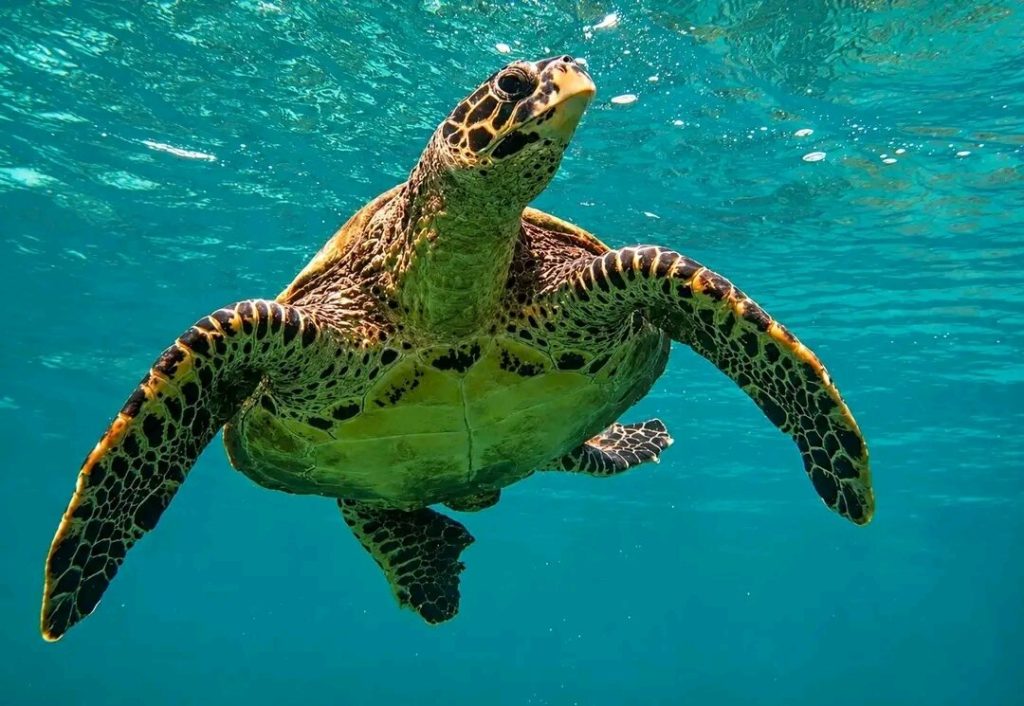
Nosy Sakatia is a small island of roughly one square mile off the west coast of Nosy Be, known as the Orchid Island and best known for swimming with green turtles that graze the seagrass beds in shallow water. It has no roads, very few visitors and a house reef you can snorkel straight from the beach. The Ambohibe turtle protection zone covers the grazing grounds.
Swimming with Green Turtles
The turtles are why people come. Green turtles feed on seagrass meadows in shallow water off the island, and snorkellers swim above them while they graze.
The Ambohibe Reserve is a turtle protection zone established on the island covering the grazing grounds, and the population using it is substantial enough that sightings are close to routine rather than lucky.
These are large animals feeding calmly rather than passing through, which makes for a different experience from a chance sighting on a reef. Snorkellers report them unbothered by people at reasonable distance.
Some visitors have raised questions about how turtle welfare is managed given the number of boats now running the excursion, and about operators feeding reef fish to attract them, which is poor practice. Asking an operator how they handle both before booking is worth the thirty seconds.

Green turtles grazing seagrass in shallow water, snorkelled from the beach rather than a boat. Sakatia is the quiet alternative to the Tanikely and Komba circuit.
The Island Itself
Sakatia covers around one square mile and has no roads. Walking is how you move, along paths through vegetation between the few settlements.
The name Orchid Island comes from the flowers growing across it, and walks take in vanilla, coffee and orchid cultivation alongside fishermen’s paths and small villages.
Beaches are pleasant rather than spectacular, and some visitors report wanting more to do on shore. The water is the attraction and the island is what surrounds it.
It is the smallest and quietest of the islands near Nosy Be, and travellers who stay rather than day-trip consistently rate it the hardest to leave.
Snorkelling and Diving
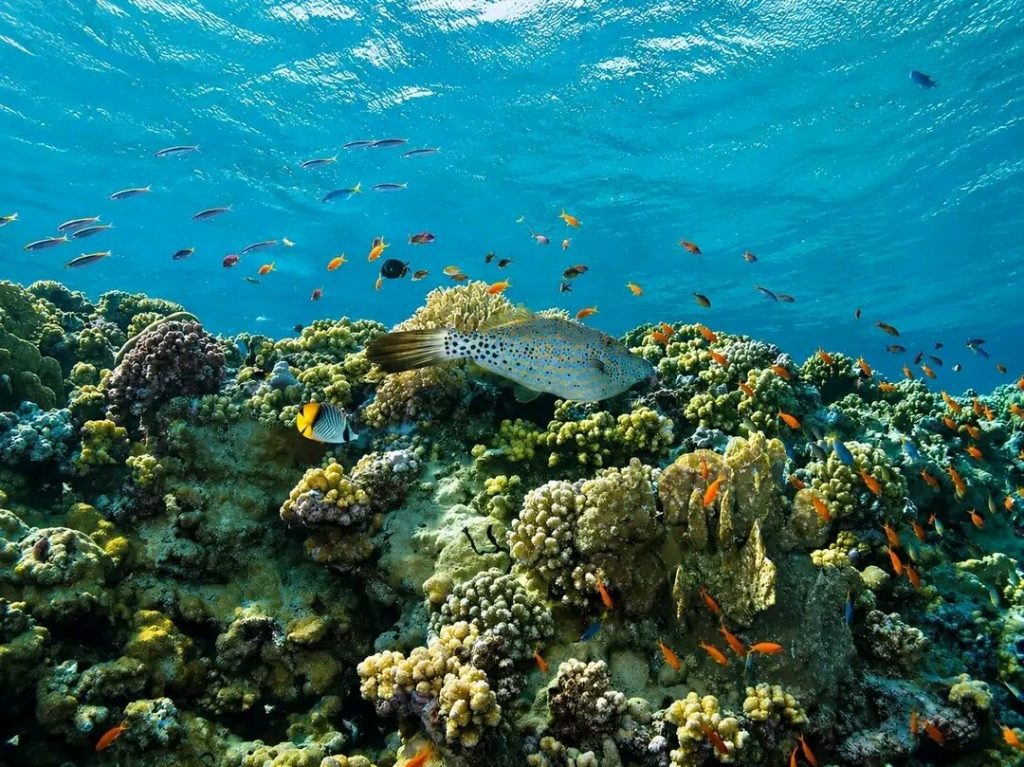
The house reef is the practical advantage. Snorkelling works directly off the beach without needing a boat, which is unusual and means you can get in the water whenever you want rather than on a schedule.
Coral and reef fish fill out the seagrass beds, and the sites around the island are included in dive operator itineraries from Nosy Be.
The island has a dive centre, and fluorescence night diving is offered here, using blue-light torches and mask filters that make coral and marine life glow. It is a specialist offering and unusual in Madagascar.
Water temperatures across the Nosy Be area run between 25 and 30 degrees depending on season, which makes this comfortable snorkelling year-round.
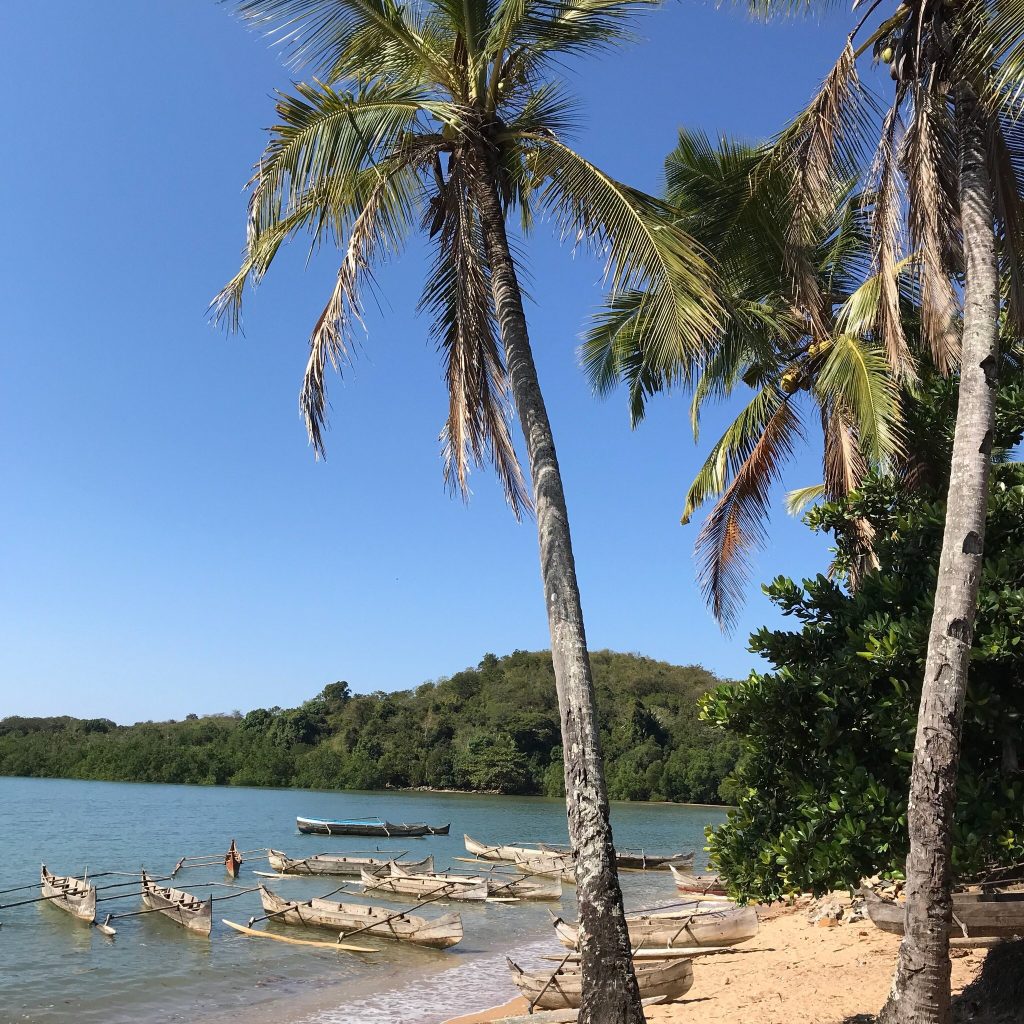
Nosy Sakatia. Green turtles on seagrass beds, house reef off the beach, no roads, very few visitors. The quiet option, and the one people stay on rather than day-trip.
Nosy Tanikely. Marine reserve with the best snorkelling in Madagascar, coral gardens off the beach, reliable turtles. Busier, usually combined with Nosy Komba into one day.
Nosy Iranja. Ninety minutes out, two islets joined by a sandbar, nesting turtles in season. The most photographed and the longest trip.
Whales and Whale Sharks
The channel between Sakatia and Nosy Be sees migrating humpback whales in July and August, sometimes swimming into the bay itself.
Whale sharks appear from around September to November, feeding just below the surface. Swimming with them is permitted since they are filter-feeding fish rather than whales, and Nosy Be is one of the more reliable places in the western Indian Ocean for it.
Reports indicate numbers visiting Malagasy waters have been increasing, which is attributed to research and conservation work in the region.
Trips run from Nosy Be and pick up from Sakatia, so staying on the smaller island costs nothing in access.
Manta rays occur in the wider archipelago and are seen at specific sites rather than reliably.
Getting There and Staying
Sakatia sits a short boat ride off the west coast of Nosy Be, with crossings arranged through lodges or as part of excursion packages.
Day tours from Nosy Be are widely offered, with rates commonly starting around 50 US dollars per person and usually including snorkelling equipment. Half and full day options both run.
Staying is the better option for anyone who wants the island rather than the excursion. A small number of lodges operate, with snorkelling directly off the shore and a slower pace than anywhere on Nosy Be.
There are no roads, no ATMs and limited supplies. Draw cash on Nosy Be before crossing.
The island is close enough that dive boats and excursion operators from Ambatoloaka and Madirokely include it in their rotations.

Ask operators how they manage the turtle encounters before booking. Visitor numbers have grown and some boats have been reported feeding reef fish to attract marine life, which is poor practice and damaging. A good operator keeps groups small, maintains distance from grazing turtles and does not feed anything. The animals here are wild and feeding on seagrass, not performing.
Walking and Village Life
The island has no roads and no vehicles, so walking is the only way to cover it, along sandy paths between the small settlements.
Vanilla, coffee and orchid cultivation fill the interior, and guided walks take in the plots alongside fishermen’s paths and the villages. The whole island can be crossed in under an hour.
Villagers fish and farm, and the population is small enough that visitors are noticed rather than absorbed. The usual courtesies apply: ask before photographing people and dress reasonably away from the beach.
Lodges on the island employ locally and arrange the walks through village guides, which is the most direct way visitor money reaches the community here.
There is no bank, no ATM and no shop beyond the basics, so anything you need comes across from Nosy Be with you.
Combining with the Nosy Be Archipelago
Sakatia works either as a day trip or as a base, and the choice shapes what else you see.
As a day trip it slots alongside the standard circuit, though most operators pair Tanikely and Komba rather than including Sakatia, so it is usually booked separately.
As a base it puts you a short boat ride from Nosy Be with the excursions still accessible, while giving you an island with no roads and snorkelling off the beach whenever you want.
Nosy Tanikely is the marine reserve with the best snorkelling in the country, Nosy Komba has the black lemurs and craft market, and Nosy Iranja the sandbar and nesting turtles.
Lokobe National Park on Nosy Be protects the last primary rainforest on that island, reached by pirogue and worth a day for anyone wanting wildlife alongside the water.
Best Time to Visit
Water conditions rather than rainfall determine the experience here.
April to June. Seas settling after the rains with good visibility and few visitors. Comfortable temperatures and turtles present year-round. A reliable shoulder window.
July and August. Humpback whales in the channel between Sakatia and Nosy Be, sometimes entering the bay. Dry and busy, with the calmest crossings for excursions.
September to November. Whale sharks feeding near the surface, with swimming permitted. Warm and dry with the best underwater visibility of the year. The strongest overall window.
December to March. Rainy season with fewer visitors and lower prices. Sea conditions can be rough, affecting crossings more than the house reef snorkelling itself.
The island suits travellers who like being in the water repeatedly rather than once. With the reef directly off the beach and no boat schedule to work around, a three or four night stay produces far more time underwater than the same days spent day-tripping from Nosy Be.
Frequently Asked Questions
Can I swim with turtles at Nosy Sakatia?
Yes, and it is the main reason to come. Green turtles graze seagrass beds in shallow water off the island, within the Ambohibe protection zone, and sightings are close to routine rather than lucky. Snorkellers swim above them while they feed, and the animals are unbothered at reasonable distance.
What does a Sakatia excursion cost?
Day tours from Nosy Be commonly start around 50 US dollars per person and usually include snorkelling equipment, with half and full day options. Staying on the island costs more but gives you the house reef whenever you want it. There are no ATMs, so draw cash on Nosy Be before crossing.
How does it compare with Nosy Tanikely?
Tanikely is a marine reserve with the best snorkelling in Madagascar and reliable turtles, but it is busier and usually combined with Nosy Komba into a full day. Sakatia is quieter, smaller, has a house reef off the beach and is the one people stay on rather than day-trip.
Is there anything to do on shore?
Walks through vanilla, coffee and orchid cultivation, fishermen’s paths and small villages, with no roads anywhere on the island. Some visitors report wanting more on land and find the beaches pleasant rather than spectacular. The water is the attraction.
Can I dive here?
Yes. The island has a dive centre and the surrounding sites are included in operator itineraries from Nosy Be. Fluorescence night diving is offered here using blue-light torches and mask filters, which is a specialist experience and unusual in Madagascar.
When can I see whales?
Humpbacks pass in July and August, sometimes swimming into the channel between Sakatia and Nosy Be. Whale sharks appear from around September to November feeding near the surface, and swimming with them is permitted. Both are accessed on trips from Nosy Be that pick up from the island.
Are the turtle encounters well managed?
Practice varies and visitor numbers have grown. Some boats have been reported feeding reef fish to attract marine life, which is damaging. Ask operators how they handle group size, distance from grazing turtles and whether they feed anything. The Ambohibe protection zone exists, but on-water conduct depends on who you book with.
Should I stay or day-trip?
Stay if you want the island. It is the smallest and quietest near Nosy Be, with no roads and snorkelling off the beach whenever you want, and travellers who stay consistently rate it the hardest to leave. Day-trip if you are working through the archipelago and Tanikely and Komba are the priority.
Planning Your Trip
Sakatia is the quiet island in a busy archipelago, and its appeal is the house reef and the turtles rather than the beaches. It works best for travellers who want to get in the water repeatedly over several days rather than tick an excursion off a list.
Booking Your Madagascar Trip
The safari companies and tour operators listed on this website put trips like this together for a living and know which camps, guides and routes actually deliver. We are an independent guide to Madagascar; we do not book or sell tours ourselves.
When you are ready, arrange your safari, tour or holiday with one of the recognised operators listed here. Tell them your dates and what matters most, and a real person, not a form, will handle the itinerary, park bookings and logistics for you.