Fianarantsoa

Fianarantsoa is the cultural centre of the Betsileo highlands, holding the best-preserved old town in Madagascar, the country’s only tea estate and its unlikely wine industry. It is also the terminus of the FCE railway, one of the great rail lines in Africa. Most visitors stop here on the RN7 and use it as the base for Ranomafana National Park.
Haute-Ville Walking Tours in the Old Town
Walking tours of the Haute-Ville are the strongest reason to stop. Where Antananarivo‘s old city has been modernised and crowded, Fianarantsoa’s upper town survives largely intact, and walking its steep narrow lanes is closer to the nineteenth century than anywhere else in the country.
Red-brick houses climb the ridge in steps, with wrought-iron balconies, pastel façades and stone churches dating from the 1870s. Church bells carry across misty valleys and rice paddies below. The area was listed among the world’s hundred most endangered heritage sites in 2008, which prompted restoration work.
Start at the stone stairway near Collège Saint Jean and work upward. Half a day covers it comfortably, and a guide adds a great deal given the layered Merina, Betsileo, missionary and French colonial history embedded in the architecture.
FCE Railway Trips to Manakara
The Fianarantsoa-Côte Est railway runs 163 km down the eastern escarpment to the coastal town of Manakara, crossing 48 tunnels and 67 bridges, and it is one of the classic Madagascar experiences.
Trains leave at seven in the morning, usually Tuesdays and Saturdays, and the trip takes anywhere from twelve to twenty-four hours depending on conditions. That range is not exaggeration. Breakdowns are common, the rolling stock is in poor repair, and delays of many hours are routine.
What you get for the discomfort is a slow descent through rainforest, stops at village stations where the whole community turns out to trade, and a view of rural Malagasy life no road offers. Treat it as an adventure rather than transport, and do not plan a connection at the far end.
The FCE is unreliable by design and by age. Trains break down, schedules slip and the twelve-hour estimate frequently becomes twenty. Bring food, water, warm layers for the descent and a torch. Book first class for a seat. Anyone with a flight to catch within two days of arriving in Manakara should not take this train.
Sahambavy Tea Plantation Tours
Sahambavy, about 23 km east, is Madagascar’s only commercial tea estate, covering nearly 400 hectares of green rows wrapped around a lake. Guided tours cover the plucking lines and the factory, finishing with a tasting.
Processing days are when the visit is most interesting, with machinery running and the air thick with steam. Ask locally which days apply during your visit, since it varies.
The Lac Hotel beside the estate makes a good lunch stop and an overnight option for anyone wanting a night out of the city. A share-taxi from Fianarantsoa takes about thirty minutes.
Madagascar makes wine. Not much of it, and not to European standards, but the vines the French planted in these hills a century ago are still producing red, white and a local grey.
Wine Tasting Tours in the Betsileo Vineyards
The hills around Fianarantsoa are Madagascar’s wine country, an inheritance from French colonial agriculture. Labels including Lazan’ny Betsileo and wine produced at the Maromby monastery come from vines growing in red clay at altitude.
Set expectations correctly and you will enjoy it. Malagasy wine tends to be sweeter, more rustic and less consistent than European bottles, and the local grey wine is the curiosity most visitors remember. This is cultural interest rather than connoisseurship.
Clos de Malaza sits about 30 km out and family cellars operate closer to town. Call ahead or arrange through a guide, since drop-in tastings are unreliable and English-language tours depend on who is around.
Ranomafana National Park Trips from Fianarantsoa
Ranomafana National Park lies about 65 km east on the RN25, roughly ninety minutes to two hours on a narrow winding road. It is the closest rainforest park and the main reason many travellers base themselves here.
The park holds twelve lemur species including the golden bamboo lemur, and its birding is among the best in Madagascar. Day trips are possible but a night at Ranomafana itself is better, since the productive walking starts at dawn and night walks happen along the park periphery.
Ambalavao lies about 55 km south and is worth a stop for the Antemoro paper workshop, the zebu market and access to Anja Community Reserve and Andringitra National Park.
Market Tours and Betsileo Culture
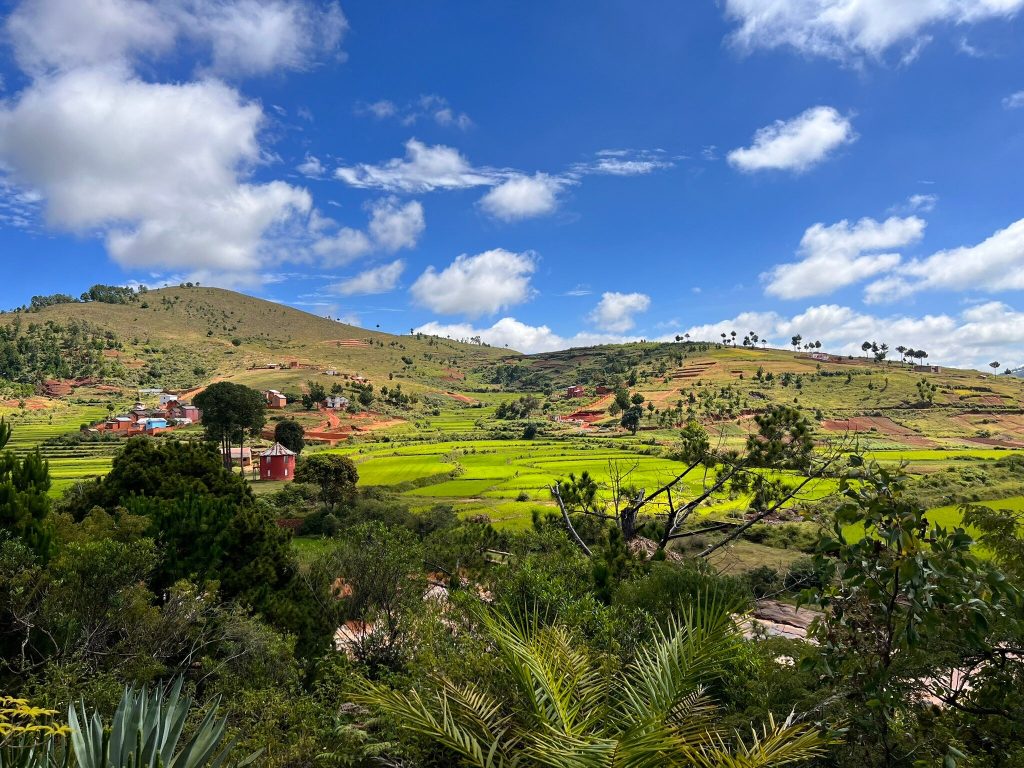
Fianarantsoa is the centre of the Betsileo, the highland people known for terraced rice cultivation and elaborate funerary tradition. The city is often called the intellectual capital of Madagascar, a reflection of its universities, seminaries and long missionary presence.
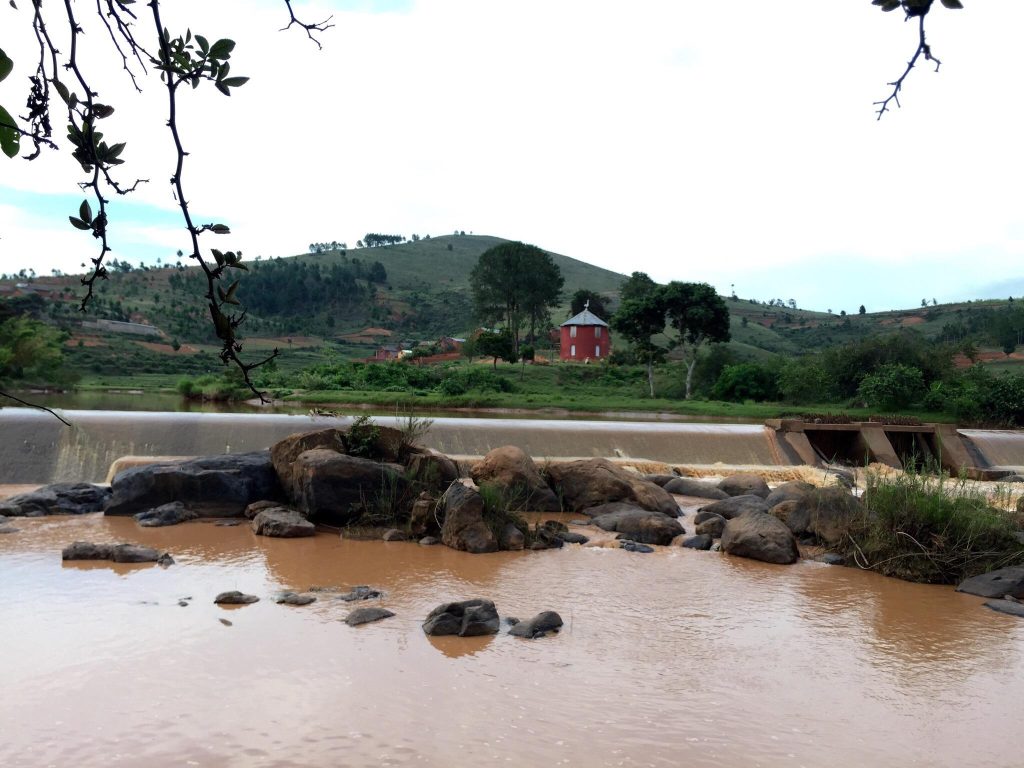
The market fills with cloves, pineapples, produce from the surrounding hills and the smell of charcoal smoke. It is a working market rather than a craft one, and prices reflect that.
Rice terraces surround the city and walks into the countryside are easily arranged through hotels. The Betsileo practice of famadihana, the turning of the bones, is part of highland culture here, though visitors should not expect to attend one uninvited.
One night. Arrive on the RN7, walk the Haute-Ville, continue south in the morning. Enough for the old town and a sense of the city.
Two or three nights. Adds the tea estate, a vineyard tasting and either the FCE train or a trip out to Ranomafana. The version that justifies the stop properly.
Ambalavao and the Antemoro Paper Workshop
Ambalavao lies about 55 km south on the RN7 and is close enough to visit as a half day from Fianarantsoa, though most travellers stop there in passing rather than doubling back.
The Antemoro paper workshop is the draw. Paper is made here by a method brought from the Arab world centuries ago, pounding bark from the avoha shrub into pulp, spreading it thin and pressing dried flowers into the surface before it sets. Watching the process takes twenty minutes and the results are the most distinctive souvenir available in Madagascar.
The zebu market is the other reason to time a visit right. Held on Wednesdays and Thursdays, it is the largest cattle market in the country, with herders bringing animals on foot from the deep south along routes their families have used for generations. It is a working market, dusty and loud, and entirely unstaged.
Ambalavao is also the gateway to Anja Community Reserve, a few kilometres further on, where ring-tailed lemurs live at the highest density anywhere in Madagascar, and to Andringitra National Park for anyone with several days.

Getting to Fianarantsoa and Getting Around
Fianarantsoa sits on the RN7 roughly 400 km south of Antananarivo, a full day’s drive with stops, and is a hub where several national roads meet. There is an airfield but no scheduled flights, so road travel is the only practical option.
Taxi-brousse services connect north to Antsirabe and the capital, south to Ambalavao and Isalo, and east to Ranomafana and Manakara. Private vehicles with drivers are the standard arrangement for anyone doing the RN7 properly.
In the city, the Haute-Ville is walkable though steep. Accommodation runs from budget guesthouses to comfortable mid-range hotels, with several offering views across the valleys. Book ahead in peak season.
Best Time to Visit Fianarantsoa
The highland climate here is temperate, with an annual average near 19 degrees and more rain in summer than winter.
April to June. Rains easing, hills green and roads improving. Comfortable walking weather in the old town and good conditions for the tea estate and vineyards.
July and August. Coolest and driest, with clear skies and reliable roads. Peak RN7 season, so book accommodation ahead. Evenings get genuinely cold at altitude.
September and October. Warming, with pleasant conditions and the countryside at its best. Busy on the road south. A strong window for combining the city with Ranomafana.
November to March. Wetter and warmest, with January around 21 degrees. Roads deteriorate, the FCE becomes even less reliable and the RN25 to Ranomafana turns slick. Quieter and cheaper.
Frequently Asked Questions
How much does the FCE train cost?
First-class tickets run around 70,000 Ariary, roughly 17 US dollars, for the 163 km trip to Manakara. Second class is cheaper and considerably less comfortable for a trip that can last twenty hours or more. Buy tickets at the station in advance. Bring your own food and water, since what is available at village stops is limited.
Is the FCE railway worth taking?
If you have the time and a tolerance for uncertainty, yes. It is one of the more memorable things you can do in Madagascar, descending through rainforest with stops at villages where the train is the only link to the outside. If you have a schedule to keep, no. Delays of many hours are normal and breakdowns happen.
How long should I stay?
One night covers the old town if you are passing through on the RN7. Two or three nights lets you add the tea estate, a vineyard visit and a trip to Ranomafana. Travellers taking the FCE need to build in the full day it consumes plus recovery time.
Is Fianarantsoa safe?
It is considered safe for visitors with normal precautions. Avoid isolated areas after dark and keep an eye on belongings in the market. Street money changers offer poor rates and should be avoided in favour of banks.
Is the wine actually good?
It is interesting rather than good by international standards. Malagasy wine is often sweeter and more rustic, with quality varying between producers and vintages. The grey wine is the local curiosity. Treat it as a cultural experience and it is enjoyable; treat it as a wine trip and you will be let down.
Can I visit Ranomafana as a day trip?
Possible but not ideal. The road takes ninety minutes to two hours each way, and the best wildlife viewing is early morning, which means leaving before dawn. Night walks along the park periphery need an overnight anyway. Most visitors stay at Ranomafana itself for at least one night.
What makes the old town special?
It is the best-preserved historic quarter in Madagascar. Antananarivo’s equivalent has been heavily altered; Fianarantsoa’s Haute-Ville retains its nineteenth-century street layout, brick houses and stone churches largely intact. That preservation is why it appeared on an international endangered heritage list, and it is the single strongest reason to stop.
Planning Your Visit
Fianarantsoa is the most interesting town on the RN7 and the one most itineraries pass through fastest. The old town alone repays a morning, and the tea estate and vineyards give it more substance than a simple overnight.
Booking Your Madagascar Trip
The safari companies and tour operators listed on this website put trips like this together for a living and know which camps, guides and routes actually deliver. We are an independent guide to Madagascar; we do not book or sell tours ourselves.
When you are ready, arrange your safari, tour or holiday with one of the recognised operators listed here. Tell them your dates and what matters most, and a real person, not a form, will handle the itinerary, park bookings and logistics for you.