Ambalavao
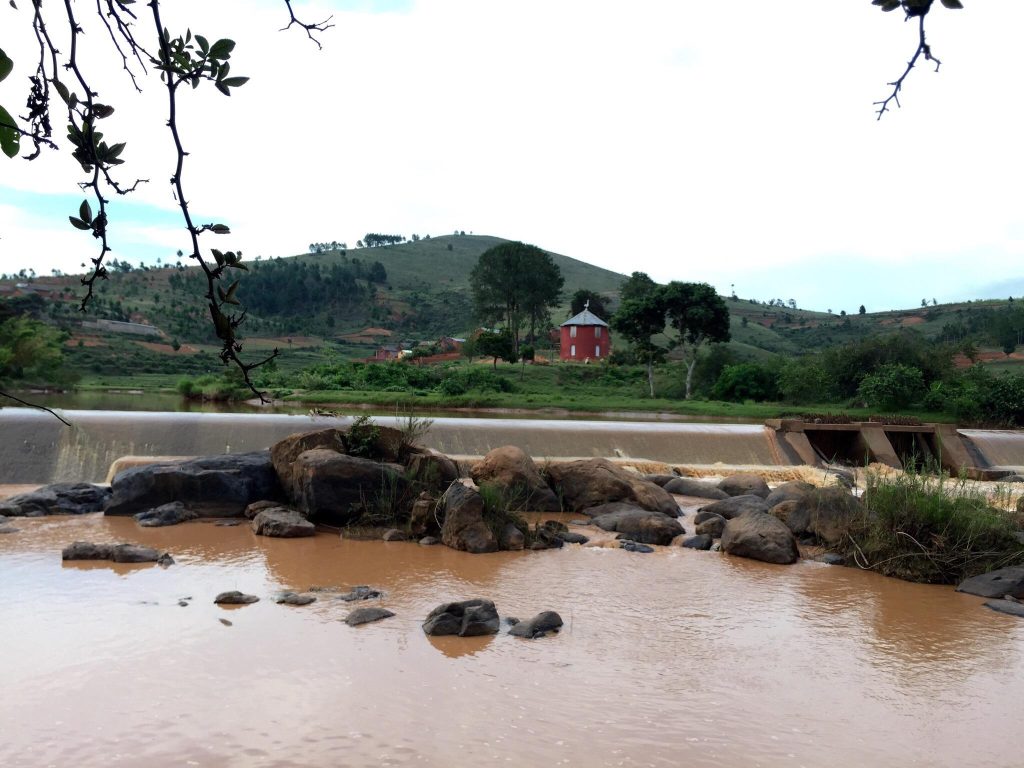
Ambalavao sits on the RN7 about 55 km south of Fianarantsoa and holds three things worth stopping for: the Antemoro paper workshop, the largest zebu market in Madagascar on Wednesdays and Thursdays, and access to Anja Community Reserve 13 km further on. It is also the gateway to Andringitra and the wine country of the surrounding hills.

The Antemoro Paper Workshop
The Antemoro paper made here uses a method brought from the Arab world centuries ago and preserved by the Antemoro people of the southeast coast.
Bark from the avoha shrub is pounded to pulp, spread thin on frames, and dried flowers pressed into the surface before it sets. Watching the process takes twenty minutes and the results are the most distinctive souvenir available in Madagascar.
The workshop is in the centre of town and visits are free or a token amount, with the expectation you might buy. Sheets, cards, lampshades and notebooks are all sold.
The technique arrived with Arab traders and was originally used for religious manuscripts written in Sorabe, an Arabic-derived script used for Malagasy. That history is part of what the guides explain.
Paper made from pounded bark by a method Arab traders brought centuries ago, pressed with flowers, in a workshop on the main road. Twenty minutes and the best souvenir in Madagascar.
The Zebu Market
The zebu market on Wednesdays and Thursdays is the largest cattle market in Madagascar and one of the more genuinely unstaged things a visitor can see here.
Herders walk cattle up from the deep south along routes their families have used for generations, some of them travelling for weeks. The animals arrive dusty and thin and are traded in a field on the edge of town.
Zebu are central to Malagasy culture as wealth, as sacrifice at funerals, and as the measure of a family’s standing. The market is where that economy is visible.
It is loud, dusty and crowded, and nothing about it is arranged for tourists. Ask before photographing people, keep out of the way of moving cattle, and go early when the trading is most active.
Timing an RN7 itinerary to hit a Wednesday or Thursday at Ambalavao is worth doing if the schedule allows.
Anja Community Reserve
Anja lies 13 km south directly on the RN7 and holds the densest ring-tailed lemur population in Madagascar, in a patch of forest beneath three granite domes.
The reserve is entirely village-owned and run. Betsileo families formed the Anja Miray Association in 2001 when clearing and hunting were destroying both the forest and its lemurs, took on management of around thirty hectares themselves, and trained guides from among their own number.
The lemur population recovered to the point where this small patch now supports a higher density than anywhere else in the country. Revenue funds village projects and reforestation has extended the protected area.
The short circuit takes ninety minutes on level ground. Go early, since the lemurs sun themselves on boulders in the first hours of light and coaches arrive mid-morning in peak season.
Longer circuits climb toward the summits with rope-assisted scrambling, and Betsileo tombs sit in caves along the way.
Anja is frequently cited as the most successful community conservation project in Madagascar, and the model has been studied and copied elsewhere. For travellers weighing where their money does most good, it is the clearest example on the RN7.
Passing through. The paper workshop takes twenty minutes and Anja ninety, both directly on the RN7. Together they cost half a day and add more than most full-day stops on the route.
Staying a night. Lets you hit the zebu market on a Wednesday or Thursday morning, walk Anja at first light, and set off for Isalo with the day ahead rather than behind.
Andringitra National Park
Ambalavao is the gateway to Andringitra, which holds the best mountain trekking in Madagascar and needs a four-wheel drive on rough tracks from town.
Pic Boby at 2,658 metres is the highest summit ordinary walkers can reach in the country, on a three-day circuit crossing high grassland. Maromokotro in the far north is higher but sits in a closed reserve.
Ring-tailed lemurs live above the treeline here at 2,520 metres, with denser woollier fur than lowland animals, in country that frosts at night. This is the coldest ground in Madagascar.
The Tsaranoro Valley below the park has sheer granite faces that draw international big-wall climbers, and lodges there serve both climbers and trekkers.
Guides, porters and cooking arrangements are organised in advance rather than at a gate, since collecting firewood inside the park is prohibited. Allow four days minimum including travel from Ambalavao.
The Wine Country and Surroundings
The hills around Ambalavao and Fianarantsoa hold Madagascar’s small wine industry, an inheritance from French colonial agriculture, with vines growing in red clay at altitude.
Labels including Lazan’ny Betsileo and wine from the Maromby monastery come from this area. Set expectations correctly: Malagasy wine is sweeter and more rustic than European bottles, and the local grey wine is the curiosity most visitors remember.
Cellars can be visited by arrangement, though drop-in tastings are unreliable and English-language tours depend on who is around. Booking through a guesthouse in Ambalavao or Fianarantsoa is more dependable than turning up.
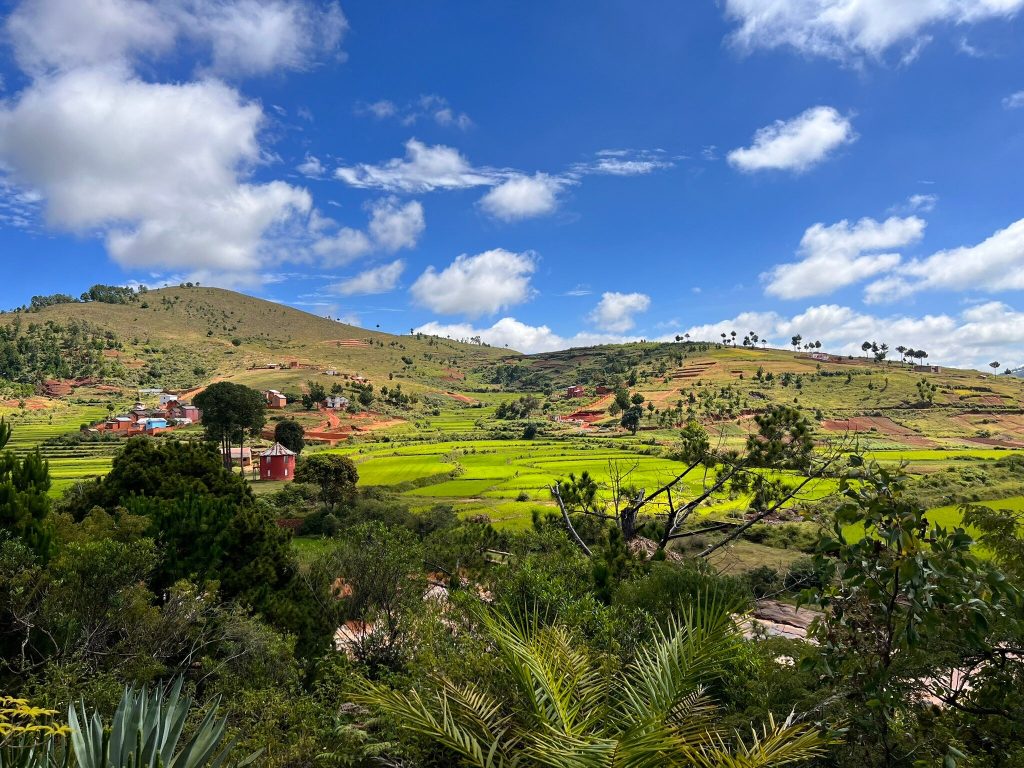
The country between Ambalavao and Fianarantsoa is terraced rice and granite outcrop, and the drive is among the more scenic stretches of the RN7.

South of Ambalavao the road drops toward the arid south, and the change in vegetation over the following hours is the clearest habitat transition on the route.
The town also marks a cultural boundary. North of here is Betsileo country with its terraced rice and elaborate tombs; south the land opens toward Bara territory, a cattle-herding people whose cliff tombs appear throughout Isalo. The zebu walked up to the Wednesday market come from that country and beyond.
Ambalavao repays timing more than most RN7 stops. The zebu market runs Wednesdays and Thursdays only, and Anja rewards a first-light start before the coaches arrive. Travellers who plan a night here rather than passing through get both, and set off toward Isalo with the day ahead of them rather than behind.
Staying in Ambalavao
Accommodation is simple, with a handful of guesthouses and small hotels in and around town at low rates.
Most RN7 travellers stop for an hour or two rather than staying, treating Ambalavao as a break between Fianarantsoa and Isalo. That works, and it misses the market and the early morning at Anja.
Anyone heading to Andringitra will spend time here regardless, since the vehicle arrangements and provisioning happen from town.
Banks are available, which matters because this is the last reliable place to draw cash before Isalo and the arrangements for Andringitra are cash in Ariary throughout.
Restaurants are simple and few, mostly serving rice with laoka at low prices. The market sells fruit and produce from the surrounding hills, and the highland vegetable season makes it cheap.
Best Time to Visit
Ambalavao sits at the southern edge of the highlands, temperate rather than tropical, and the seasons follow the wider RN7 pattern.
April to June. Rains ending, country green, comfortable walking at Anja and good conditions for the Andringitra tracks. Quiet and good value.
July and August. Coolest and driest, with genuinely cold nights and frost on the Andringitra plateau. Peak RN7 season, so Anja gets busy mid-morning. The most reliable window for trekking.
September to November. Infant ring-tailed lemurs appear at Anja from around September, which is the strongest window for the reserve. Settled weather and reptiles active again.
December to March. Wetter, with the Andringitra tracks deteriorating and the Anja circuits slick. The zebu market runs regardless. Prices drop and the RN7 empties.
Frequently Asked Questions
When is the zebu market?
Wednesdays and Thursdays, and it is the largest cattle market in Madagascar. Herders walk animals up from the deep south along routes used for generations. Go early when trading is most active. It is loud, dusty and entirely unstaged, so ask before photographing people and keep clear of moving cattle.
What does Anja cost?
The reserve is community-run and sets its own modest rates, with entry plus a compulsory guide fee and a small parking charge, all paid in cash in Ariary at the entrance. It is among the best value wildlife stops in Madagascar, taking ninety minutes for the densest ring-tailed lemur population in the country.
How long should I stop in Ambalavao?
An hour or two covers the paper workshop if you are passing through. A night lets you hit the zebu market on a Wednesday or Thursday morning and walk Anja at first light before the coaches, then set off toward Isalo with the day ahead. Andringitra needs four days minimum from here.
What is Antemoro paper?
Paper made from pounded avoha bark by a method Arab traders brought centuries ago, with dried flowers pressed into the surface before it sets. It was originally used for religious manuscripts written in Sorabe, an Arabic-derived script for Malagasy. The workshop visit takes twenty minutes and is free or a token amount.
Can I reach Andringitra from Ambalavao?
Yes, and this is the standard gateway, though the tracks need a four-wheel drive and arrangements are made in advance rather than at a gate. Guides, porters and cooking are organised from town since collecting firewood in the park is prohibited. Allow four days minimum including travel.
Is the local wine worth trying?
As a curiosity rather than for the wine. Malagasy production from these hills is sweeter and more rustic than European bottles, with the local grey wine the thing most visitors remember. Cellars can be visited by arrangement, though drop-in tastings are unreliable.
Should I stay here or at Fianarantsoa?
Fianarantsoa has the better old town, more accommodation and the tea estate nearby, and is the usual overnight. Ambalavao suits travellers timing the zebu market or heading to Andringitra. Both are on the RN7 within an hour of each other, so the choice depends on your schedule rather than merit.
What else is nearby?
Anja Community Reserve 13 km south for ring-tailed lemurs. Andringitra National Park for Pic Boby and high-altitude trekking. The Tsaranoro Valley for granite big-wall climbing. Fianarantsoa an hour north with the best-preserved old town in Madagascar and the Sahambavy tea estate.
Planning Your Trip
Ambalavao is the RN7 stop that rewards timing over duration. The paper workshop and Anja are available any day, and hitting the zebu market means arriving on a Wednesday or Thursday, which is worth building an itinerary around if the days allow.
Booking Your Madagascar Trip
The safari companies and tour operators listed on this website put trips like this together for a living and know which camps, guides and routes actually deliver. We are an independent guide to Madagascar; we do not book or sell tours ourselves.
When you are ready, arrange your safari, tour or holiday with one of the recognised operators listed here. Tell them your dates and what matters most, and a real person, not a form, will handle the itinerary, park bookings and logistics for you.