Antsirabe

Antsirabe is Madagascar’s highland spa town, sitting at around 1,500 metres on the RN7 with thermal springs, colonial architecture and thousands of hand-pulled pousse-pousse rickshaws working its wide avenues. It is the standard first overnight stop heading south from the capital and a base for crater lakes and artisan workshops. Cool air and jacaranda-lined streets give it a character unlike anywhere else in the country.
Pousse-Pousse Tours Through the Colonial Streets
The pousse-pousse is the emblem of Antsirabe, a hand-pulled rickshaw painted in bright colours, and there are more of them here than anywhere else in Madagascar. Hiring one for a city tour is the standard way visitors see the place.
Runners will offer a circuit taking in the broad avenues, the Art Deco shopfronts along Avenue de l’Indépendance, the cathedral and the old train station. Agree the fare before you climb in, since a quoted free tour is not free.
Colonial architecture is the backdrop throughout. The grand Hôtel des Thermes dates from the early 1920s, the railway station from the same period, and the cathedral was built by Norwegian missionaries at the turn of the century. The Norwegian connection surprises most visitors and explains the number of Lutheran churches.
Thermal Bath Tours and the Vichy of Madagascar
Antsirabe means the place of much salt, and the thermal springs that gave the town its name are what brought the French here. It became a hill station and spa, earning the nickname the Vichy of Madagascar.
The original bath centre opened in 1917 and still operates, alongside treatments at the Hôtel des Thermes. Facilities are faded rather than luxurious, which is part of the appeal for some visitors and a disappointment for others. Treatments run from very cheap to moderately priced depending on where you go.
Even without taking the waters, the buildings and gardens around the baths are worth walking through. This is the clearest surviving picture of what the town was built to be.
A Norwegian cathedral, a French spa, an Art Deco high street and several thousand rickshaws, at 1,500 metres in the Malagasy highlands.
Lake Tritriva and Lake Andraikiba Hiking Tours
Lake Tritriva sits about 17 km west, a collapsed volcanic crater holding deep green water ringed by sheer cliffs and pines. The walk around the rim takes an hour or two and the drop from the trail edge to the water is abrupt.
Local legend attaches to it, a story of two lovers who drowned themselves in the lake and are said to have become the intertwined trees on its bank. It gets called the Malagasy Romeo and Juliet, and every guide will tell you a version of it.
Lake Andraikiba is closer to town, larger and gentler, better for walking, boating and birdwatching. Both lakes are stocked with tilapia and carp and fishing is possible. The road to Tritriva turns slick after rain, which matters if you are travelling by motorbike.
Artisan Workshop Tours and Zebu Horn Crafts
Antsirabe is the manufacturing and handicraft centre of the highlands, and workshop tours are among the better things to do here. Artisans work zebu horn into cutlery, jewellery and ornaments, cut and polish semi-precious stones, and carve wood in the Zafimaniry tradition.
Miniature bicycles and vehicles built from recycled tin cans and scrap are an Antsirabe speciality and are made in small workshops around the town. Watching one assembled from a flattened can takes twenty minutes and is more interesting than the finished object.
Embroidery, basketry and textiles fill the craft market. Prices are lower than in Antananarivo and considerably lower than at coastal tourist markets, which makes this a sensible place to do souvenir buying if your route passes through.
Rice Terrace and Village Walking Tours
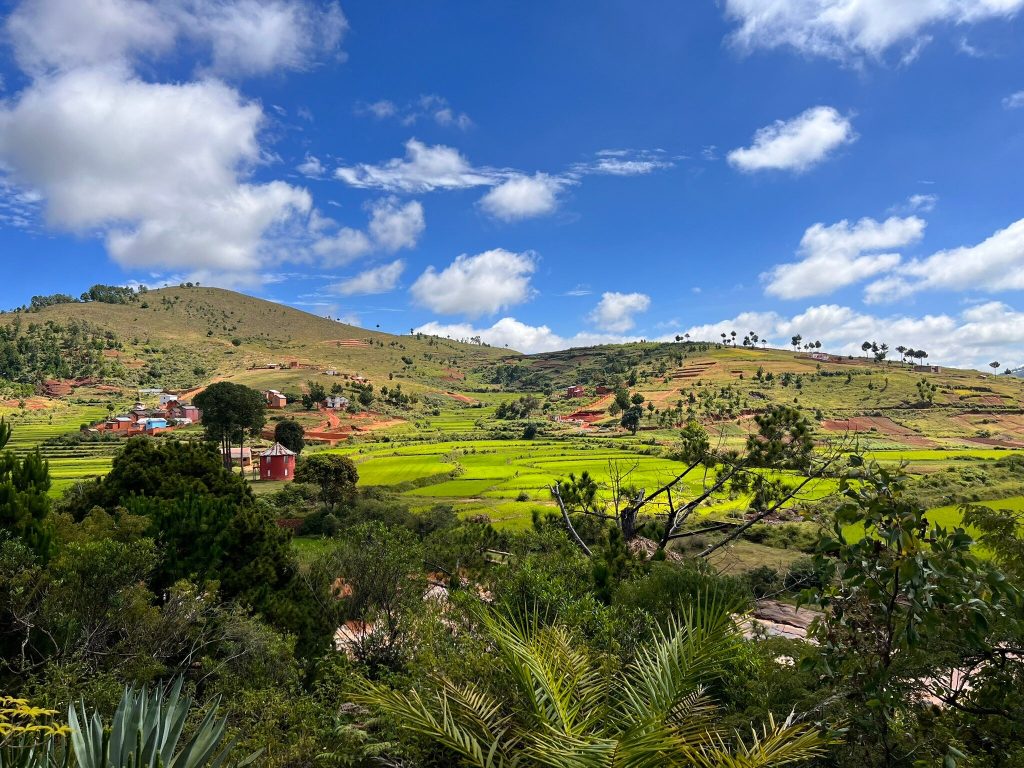
Walking tours into the countryside around Antsirabe take you through terraced rice fields, eucalyptus groves and highland villages. Guides arranged through hotels lead half-day and full-day routes.
Betafo, about 22 km away, is a village of rice terraces, volcanic lakes and traditional highland architecture, and makes a good day trip by taxi. The country between is quilted with green during the potato and pea harvest.
The dairy cooperative opposite the cathedral is a small detour worth making. Fresh unpasteurised milk is boiled in front of you and served hot, and it is one of those minor local experiences visitors tend to remember.
Antsirabe is cold by Malagasy standards and travellers arriving from the coast are frequently caught out. At 1,500 metres the mornings bite and evenings drop sharply, and heating is uncommon in hotels. Bring a fleece or jacket. The weather also turns fast here, with blazing sun switching to hail within an hour, so keep electronics in a dry bag.
Antsirabe as a Base for the RN7 Circuit
Almost everyone who stops here is travelling the RN7 between Antananarivo and Toliara, and Antsirabe is the natural first night. The capital is around three hours north on sealed road.
Heading south, Ambositra with its Zafimaniry woodcarving is a couple of hours on, then Fianarantsoa, Ranomafana, Ambalavao and Anja, and eventually Isalo. The RN34 and RN35 branch west from here toward Miandrivazo and Morondava for anyone doing the western circuit instead.
Because the town is a working transit hub rather than a resort, it has plenty of hotels across all budgets and a taxi-brousse station connecting almost everywhere. That makes it easy to break a trip here without booking far ahead outside peak season.
One night. Arrive from Tana in the afternoon, pousse-pousse tour, dinner, and continue south in the morning. What most RN7 itineraries allow and enough for the town centre.
Two nights. Adds Lake Tritriva, the artisan workshops and a walk into the rice terraces or out to Betafo. Worth it if the highlands interest you more than the parks.
Star Brewery and Highland Food in Antsirabe
The Star brewery sits in Antsirabe and produces Three Horses Beer, the national lager known everywhere as THB, along with soft drinks sold across the island. The smell of fermenting barley drifts across parts of town, which is either atmospheric or not depending on your view of breweries.
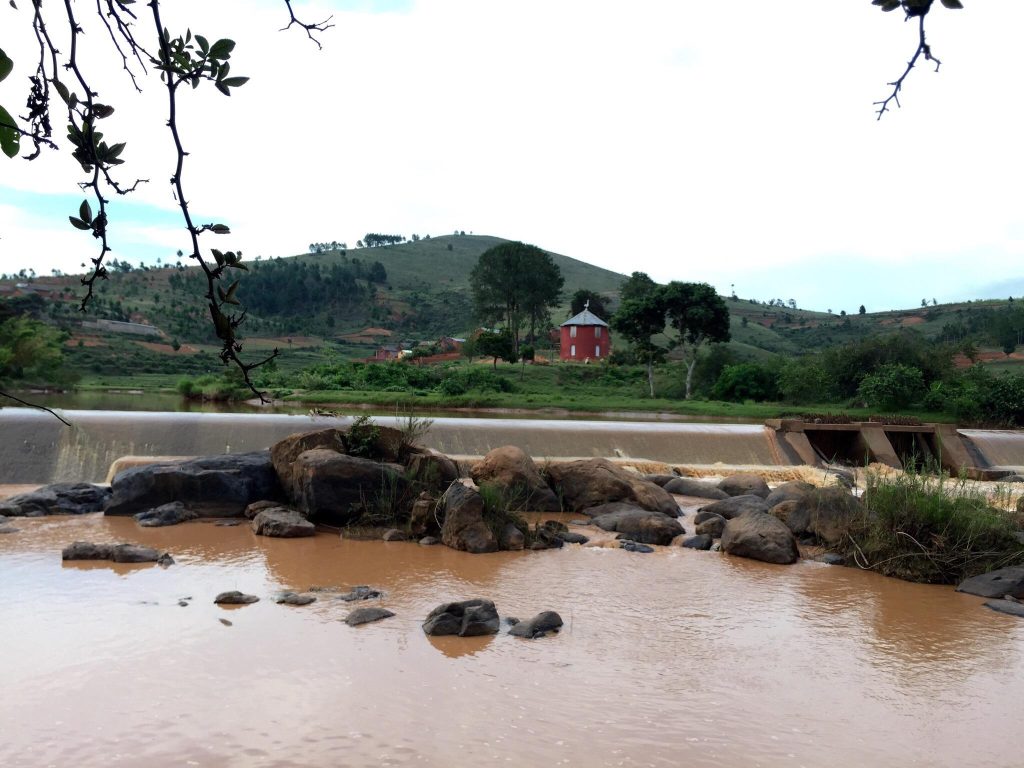
Highland cooking differs from the coast. Rice is the foundation, served with laoka of pork, chicken or beans, and the cool climate supports vegetables that do not grow in the lowlands. Potatoes, carrots, leeks and peas fill the market, and the harvest months make it noticeably cheaper.
The dairy industry here is unusual for Madagascar, a legacy of Norwegian missionary agriculture, and yoghurt and cheese are both available in a way they are not elsewhere. La Gare, the old railway station converted into a restaurant, is the atmospheric place to eat, and there are decent French-influenced kitchens around the centre.
Street food runs to fried snacks, samosas and rice cakes. Koba, a sweet made from ground peanuts, rice flour and banana wrapped in leaves and steamed, is a highland speciality worth trying from a market stall.
Getting to Antsirabe and Getting Around
Antsirabe sits about 170 km south of Antananarivo on the RN7, roughly three hours by road, and there is no airport. Private vehicles, taxi-brousse and shared minibuses all run the route frequently.
In town, pousse-pousse are the standard short-distance transport and fares are negotiated. Cyclo-pousse, the pedalled version, cover longer distances. Taxis and bicycle rental are both available, and the centre is compact enough to walk.
Motorbikes from the taxi-brousse yard run out to Tritriva and leave when full. Hotels can arrange a car and driver for the lakes and Betafo, which is simpler if less interesting.
Best Time to Visit Antsirabe
The highland climate is temperate year-round and considerably cooler than the coasts, which is exactly why the French built a spa here.
April to June. Rains ending, clear air and green countryside. Comfortable walking weather and good conditions for the crater lakes. One of the pleasantest windows.
July and August. Coldest months, with mornings that genuinely bite and nights near freezing at altitude. Dry, clear and busy, since this is peak RN7 season. Pack proper layers.
September and October. Warming, jacarandas flowering and the countryside at harvest. The market fills with cheap vegetables. Reliable roads and the busiest period for travel south.
November to March. Wet season, with the road to Tritriva turning slick and rickshaw paths to red mud. Hotels drop rates and some close. You will have the crater viewpoints to yourself.
Frequently Asked Questions
How much does it cost to visit Antsirabe?
The town is inexpensive. A pousse-pousse city tour runs around 10 US dollars for a round trip, Lake Tritriva charges about 3 dollars entry with transport at 15 to 25 dollars return, and thermal bath treatments range from about 5 to 30 dollars depending on the facility. A taxi for a full day out to Betafo costs roughly 40 to 50 dollars. Hotels span all budgets and rarely need booking far ahead outside July to October.
How long should I stay?
One night is what most RN7 itineraries allow and covers the town centre and a pousse-pousse tour. Two nights lets you add Lake Tritriva, the artisan workshops and a countryside walk. Few travellers stay longer, though the town is comfortable enough that some do.
Is Antsirabe safe?
It is considered one of the safer cities in Madagascar and is noticeably more relaxed than the capital. Normal precautions apply in crowded markets and after dark. Agreeing fares with pousse-pousse runners before setting off avoids the most common friction visitors experience.
Are the thermal baths worth it?
Depends on expectations. These are faded colonial-era facilities rather than a modern spa, and travellers expecting polish come away disappointed. Taken as a piece of living history at a very low price, they are worth an hour. The buildings and gardens are worth seeing regardless of whether you go in.
What should I buy here?
Zebu horn crafts, semi-precious stones, embroidery, basketry and the miniature vehicles made from recycled tin. Prices are lower than Antananarivo and much lower than coastal tourist markets, so this is the sensible place on the RN7 to do souvenir shopping.
Do I need warm clothes?
Yes. At 1,500 metres Antsirabe is cold in the mornings and evenings, particularly from June to August when nights drop close to freezing. Hotels rarely have heating. Travellers arriving from Nosy Be or the coast routinely underestimate this.
Is it worth stopping at all?
Yes, and not only for logistics. Antsirabe is the most distinctive town on the RN7, with an architectural and cultural character that owes as much to Norwegian missionaries and French spa-goers as to Malagasy tradition. The crater lakes and workshops give it more substance than a simple overnight stop.
Planning Your Visit
Antsirabe is where most RN7 trips spend their first night, and it repays a second. The town has more to it than the standard afternoon allows, and the crater lakes and workshops are the sort of thing travellers wish afterwards they had made room for.
Booking Your Madagascar Trip
The safari companies and tour operators listed on this website put trips like this together for a living and know which camps, guides and routes actually deliver. We are an independent guide to Madagascar; we do not book or sell tours ourselves.
When you are ready, arrange your safari, tour or holiday with one of the recognised operators listed here. Tell them your dates and what matters most, and a real person, not a form, will handle the itinerary, park bookings and logistics for you.