Belo sur Mer

Belo sur Mer is a Vezo boatbuilding village south of Morondava where wooden dhows are still constructed on the beach by hand, using timber from the forest inland. It sits beside Kirindy Mite National Park, which puts dry forest, mangrove, dune, sacred lakes and coral reef within a day’s walking. Reaching it means three to four hours on rough road or a speedboat from Morondava.
The Boatbuilders
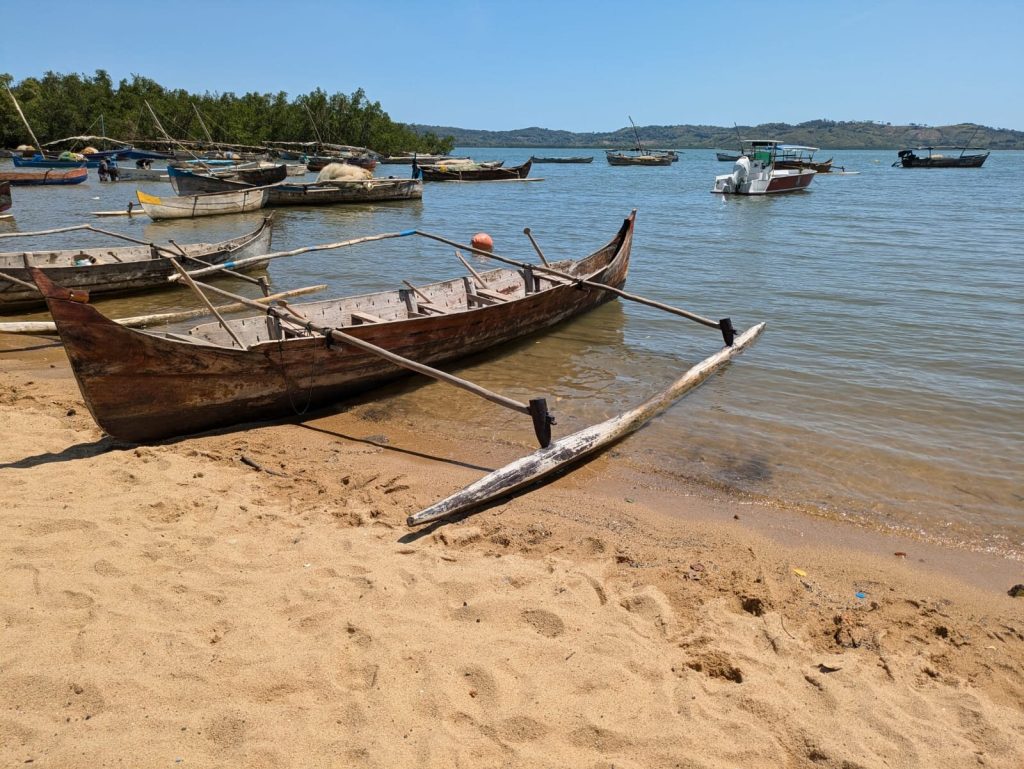
Belo sur Mer’s reputation rests on its shipyards, which are stretches of beach where Vezo craftsmen build wooden sailing vessels without plans, power tools or a shed.
The boats are botry, wooden dhows in the Indian Ocean tradition, built from hardwood cut in the forest inland and worked by eye. Hulls sit on the sand in various stages of completion, and the work continues whether visitors are watching or not.
These are working vessels rather than heritage pieces, sailed as cargo carriers along the coast. The industry has run here for generations.
The connection to the forest is direct and uncomfortable. Boatbuilding consumes hardwood from the same dry forest that Kirindy Mite protects, which is the tension at the centre of this stretch of coast.
Watching a hull take shape is the reason most visitors come, and it takes an hour rather than a day.
Wooden dhows built by eye on a beach, from hardwood cut in the forest the national park next door exists to protect. Belo sur Mer holds that contradiction openly.
Kirindy Mite National Park
Kirindy Mite covers dry deciduous forest, spiny thicket, mangrove, dune systems, sacred lakes and coral reef, and claims the highest primate density of any Malagasy park.
Note the naming trap immediately. Kirindy Forest Reserve north of Morondava and Kirindy Mite south of it are entirely different places roughly 150 km apart, and operators confuse them constantly. The fossa sightings people associate with the name happen at the northern reserve.
Three baobab species grow here, with the largest natural population of Adansonia grandidieri anywhere standing in forest rather than beside a cleared road. That contrast with the Avenue of the Baobabs is worth seeing.
Madame Berthe’s mouse lemur, the smallest primate on earth, occurs here alongside Verreaux’s sifaka, red-fronted brown lemurs and several nocturnal species.
Lac Ambondro and Lac Sirave hold waterbirds including flamingos, and the mangroves support a substantial flying fox roost worth timing a pirogue trip around.
Getting to Belo sur Mer
Two routes exist and both have drawbacks.
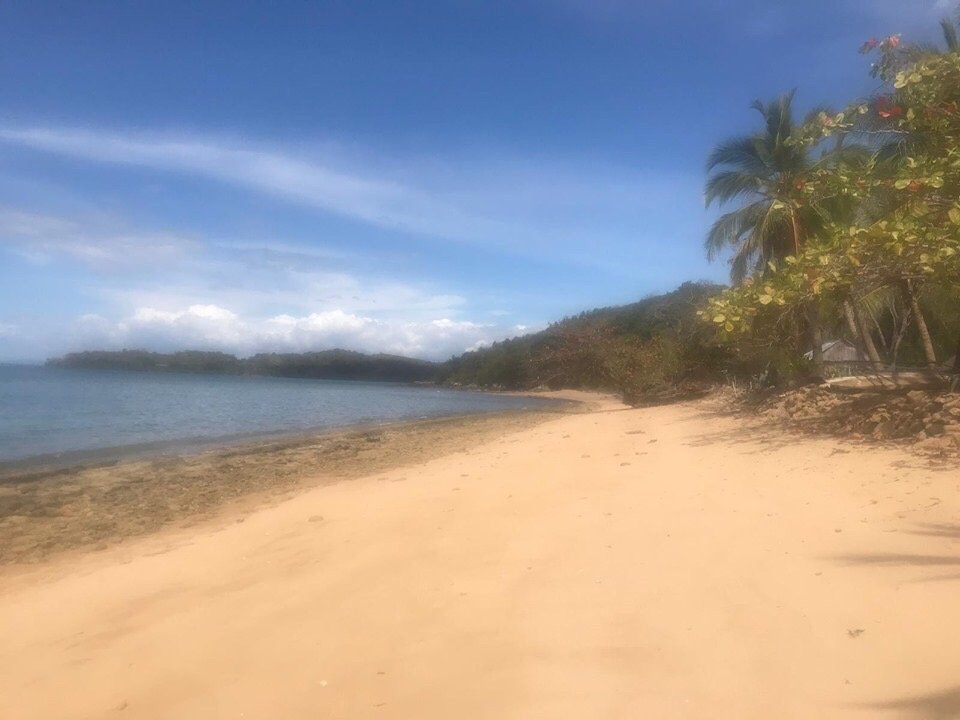
By road from Morondava takes three to four hours on rough track, requiring a four-wheel drive and becoming impassable in the wet season. The route crosses salt flats and sand.
By speedboat from Morondava is faster and depends on sea conditions. This is how many lodges bring guests, and it is arranged through them.
The village has no bank, limited supplies and generator power at best. Draw cash in Morondava and bring anything specific with you.
Accommodation is a handful of beach lodges, simple and directly on the sand, with several arranging park access and boat trips.
Most visitors come for two or three nights. The village and the shipyards take an afternoon; the park and the reef fill the rest.
Guides for Kirindy Mite are arranged through the park office or the lodges, and the circuits vary from short forest walks to longer routes taking in the lakes and dune systems. Everything is cash in Ariary.
Kirindy Forest Reserve. Private, 50 to 60 km north of Morondava, night walks inside the reserve, best fossa odds in Madagascar. What most people mean when they say Kirindy.
Kirindy Mite National Park. State-run, 90 km south at Belo sur Mer, dry forest with mangrove and reef, three baobab species. Entirely different place, constantly confused with the above.
Salt Pans and the Route South
The road from Morondava crosses salt flats, and salt production is the other industry along this coast alongside fishing and boatbuilding.
Pans are worked by hand, with seawater channelled into shallow beds and left to evaporate, and the white expanses are visible from the track. It is hot, hard work for modest return.
The drive itself passes through country that shifts between dry forest, thicket and open sand, and the four-wheel drive requirement comes from the sand rather than any gradient.
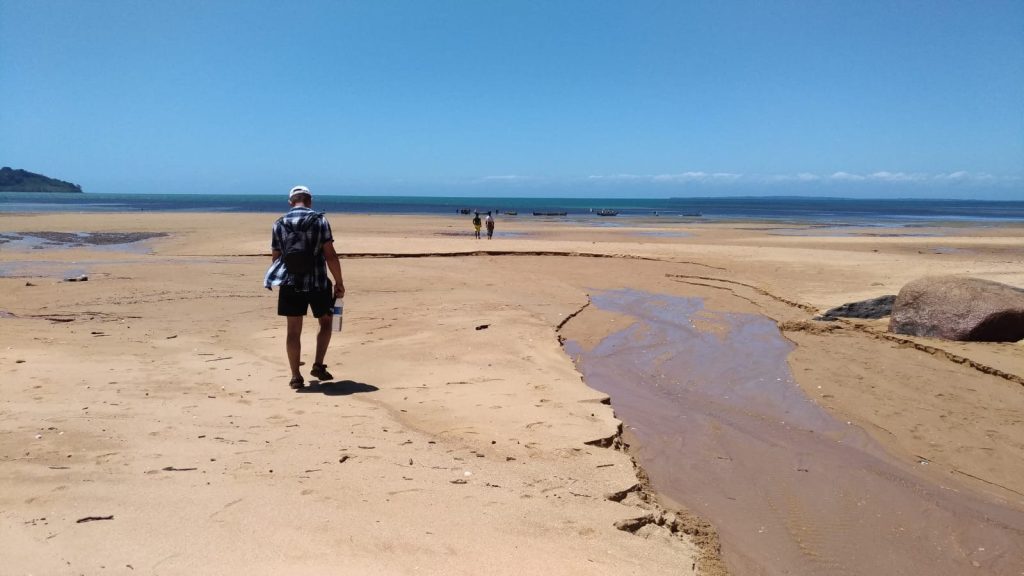
Villages along the route are small and Vezo, with fishing the main livelihood and the same outrigger pirogues drawn up on the sand as at Belo sur Mer itself.
In the wet season the flats flood and the route closes, which is what cuts the village off from December to March.
The Reef and the Coast
Coral reef sits offshore and snorkelling is possible, with the water clear and the sites almost entirely unvisited.
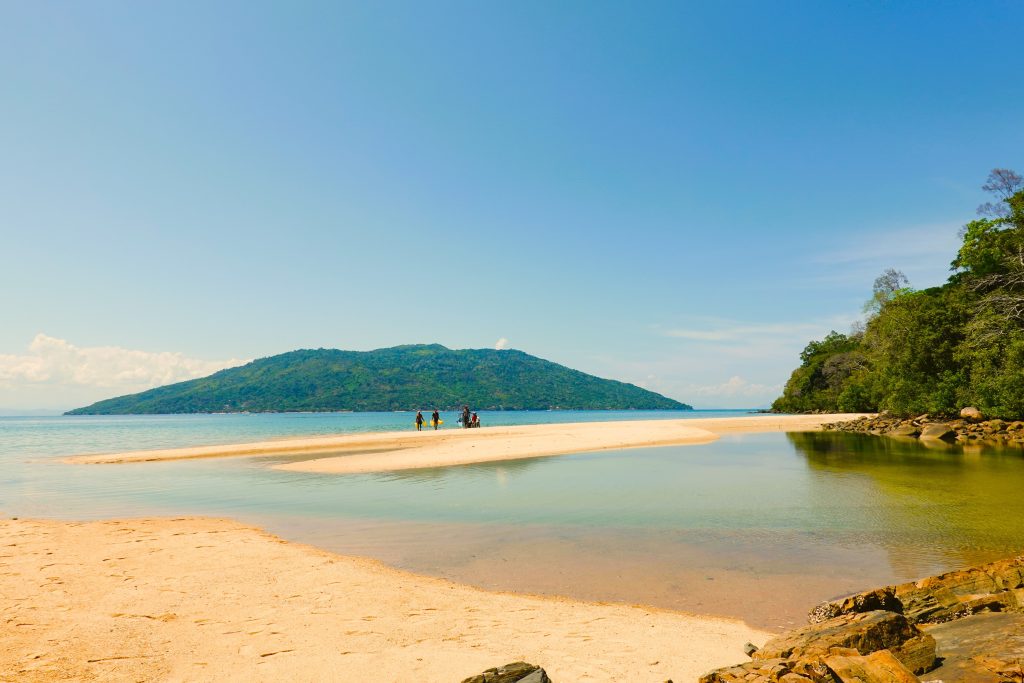
Boat trips run to the reef and to sandbanks, arranged through lodges. Infrastructure is minimal compared with Ifaty or Nosy Be, which is either the appeal or the problem depending on what you want.
The coast here is part of a marine system that includes mangrove nurseries feeding the reef, and the park protects both.
Fishing remains the main livelihood alongside boatbuilding, and pirogues work the water daily.
Turtles occur in these waters, and dugongs have been recorded in the wider area though sightings are exceptional.
Whale watching is possible during the mid-year months when humpbacks pass along the western coast, though operations here are informal compared with Sainte-Marie or Nosy Be. Trips are arranged through lodges or directly with fishing crews who know where the animals move.
The mangroves are the underrated part. Pirogue trips through the channels turn up crabs, waders, herons and the flying fox roost, and the system functions as a nursery for the reef fish offshore.
When to Visit
The western coast is strongly seasonal and Belo sur Mer becomes hard to reach in the wet months.
May to October. The reliable window, with the road passable, seas calm and the park accessible. Temperatures moderate and the dry forest at its most open for wildlife viewing.
April. Roads drying after the rains, though conditions vary year to year. Green country and very few visitors. Confirm access before committing.
November. Hot and building toward the rains, with wildlife active and the reef in good condition. Quieter than mid-year and still accessible.
December to March. Wet season, when the road becomes impassable and sea conditions deteriorate. Kirindy Mite shuts in all but name and most visitors stay away.
Check which Kirindy your itinerary means before booking. Kirindy Forest Reserve north of Morondava is where fossa sightings happen and where night walks run inside the reserve. Kirindy Mite is 90 km south at Belo sur Mer, a national park with different species and different access. Operators and guidebooks confuse them regularly, and travellers arrive at one expecting the other.
Combining with the Western Circuit
Belo sur Mer sits south of Morondava while the main western attractions run north, which means it is a detour rather than a stop on the way.
The standard western circuit covers the Avenue of the Baobabs 20 km north of Morondava, Kirindy Forest at 50 to 60 km, and Tsingy de Bemaraha at 200 to 230 km with two river ferries.
Adding Belo sur Mer means returning to Morondava and heading south, which costs a day each way by road or less by boat.
Travellers doing the full western circuit rarely include it. Those with more time, or who want reef alongside dry forest without the tsingy commitment, find it worthwhile.
The Tsiribihina river descent finishes at Belo sur Tsiribihina, which is a different place again, north of Morondava on the route to the tsingy.
The village is also worth seeing for what it says about the economics of this coast. Boatbuilding, fishing and salt production support the population between them, and all three depend on resources under pressure. The forest supplying the timber is the same one Kirindy Mite protects, which is a tension the community lives with rather than resolves.
Frequently Asked Questions
How do I get to Belo sur Mer?
Three to four hours by four-wheel drive from Morondava on rough track crossing salt flats and sand, or faster by speedboat depending on sea conditions. Lodges arrange the boat transfer, which is how many guests arrive. The road becomes impassable in the wet season from December to March.
What is the difference between Kirindy Mite and Kirindy Forest?
Two entirely different places roughly 150 km apart, constantly confused. Kirindy Forest Reserve is private, 50 to 60 km north of Morondava, and is where fossa sightings happen with night walks inside the reserve. Kirindy Mite is a national park 90 km south at Belo sur Mer with dry forest, mangrove and reef.
What does it cost?
Kirindy Mite park entry follows the Madagascar National Parks structure at 45,000 Ariary per adult per day with guides charged separately. Beach lodges at Belo sur Mer are moderate and several include meals since village options are limited. Boat transfers from Morondava are priced per trip. There is no bank, so draw cash in Morondava.
Can I watch the boatbuilding?
Yes, and it is the main reason to come. Vezo craftsmen build wooden dhows on the beach without plans or power tools, working hardwood by eye. These are working cargo vessels rather than heritage pieces. Watching a hull take shape takes an hour and the work continues regardless of visitors.
Is the snorkelling good?
Reef sits offshore with clear water and almost no other boats, which is the appeal. Infrastructure is minimal compared with Ifaty or Nosy Be, so trips are arranged through lodges rather than dedicated operators. Turtles occur and the mangroves feed the reef system the park protects.
When should I visit?
May to October is the reliable window, with the road passable, seas calm and the dry forest open for wildlife viewing. April depends on how the rains ended. December to March brings impassable roads and deteriorating sea conditions, with the park in practice closed.
Is it worth the detour?
For travellers with time who want reef alongside dry forest without the tsingy commitment, yes. Those doing the full western circuit to Tsingy de Bemaraha rarely include it, since Belo sur Mer sits south while everything else runs north from Morondava, costing a day each way.
How long should I stay?
Two or three nights. The village and shipyards take an afternoon, and the park and reef fill the rest. Longer suits anyone wanting to slow down, though supplies and options in the village are limited and lodges are simple.
Planning Your Trip
Belo sur Mer is the quiet end of the western coast, reached by rough road or boat and holding a boatbuilding tradition alongside a park that puts forest, mangrove and reef within a day’s walking. It is a detour rather than a stop, and worth it for travellers with the time.
Booking Your Madagascar Trip
The safari companies and tour operators listed on this website put trips like this together for a living and know which camps, guides and routes actually deliver. We are an independent guide to Madagascar; we do not book or sell tours ourselves.
When you are ready, arrange your safari, tour or holiday with one of the recognised operators listed here. Tell them your dates and what matters most, and a real person, not a form, will handle the itinerary, park bookings and logistics for you.