Morondava
Morondava is a laid-back coastal town on Madagascar’s west coast and the gateway to the Avenue of the Baobabs, Kirindy Forest and Tsingy de Bemaraha. Most visitors use it as a base for the western circuit and spend a day or two on the beach at Nosy Kely either side. The town was the seat of the Menabe Sakalava kingdom and sits at the centre of a rice and sugar growing region.
Avenue of the Baobabs Tours from Morondava
Avenue of the Baobabs tours are why most people come. The site lies about 20 km northeast on the RN8, roughly forty minutes by vehicle, and entry is free with only a small parking charge.
Timing decides everything. Arrive an hour before sunset or before dawn and the trunks turn copper against a coloured sky. Arrive at midday and you will wonder what the fuss was about. Most hotels arrange taxis for the evening run, and tour agencies are thin on the ground here, so booking through your accommodation is the usual route.
The Baobab Amoureux, two intertwined trees, sits a short drive further on and is normally included. Anyone continuing north to Kirindy or Tsingy passes the avenue twice, which conveniently gives both a sunrise and a sunset.
Kirindy Forest and Tsingy de Bemaraha Trips
Kirindy Forest Reserve lies 50 to 60 km north, about two hours on dirt road, and is the best place in Madagascar to see fossa. Because it is privately managed rather than a national park, night walks run inside the reserve, which is the reason to stay overnight rather than day-trip.
Continuing north leads eventually to Tsingy de Bemaraha, roughly 200 to 230 km and six to ten hours away with two river ferries en route. That trip needs three days minimum and a capable four-wheel drive, and the route closes in the wet season.
South of town, Kirindy Mite National Park and the boatbuilding village of Belo sur Mer offer dry forest, mangrove and reef. Note the naming trap: Kirindy Forest north and Kirindy Mite south are entirely different places about 150 km apart.

The RN8 north toward Tsingy floods seasonally and has historically seen dahalo, or bandit, activity. Travelling with a reputable operator or in convoy is the standard advice, and it is worth following rather than setting off independently. Check current conditions locally before committing to the drive.
Nosy Kely Beach and Sunset Tours
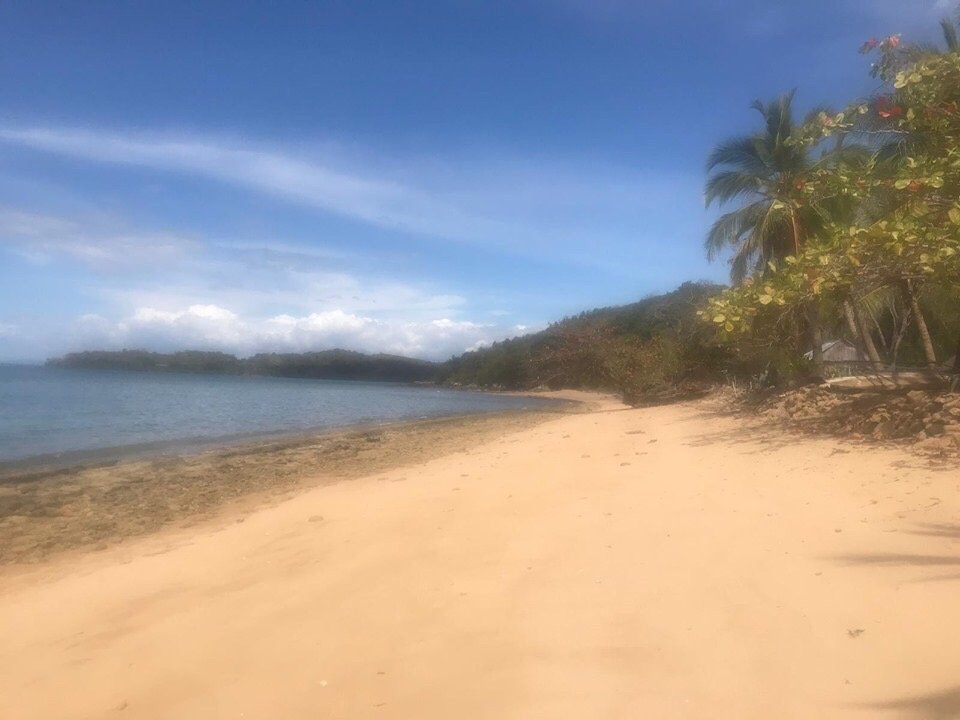
Nosy Kely is the sandy peninsula where nearly all the hotels, bars and restaurants sit, and it holds the town beach. Golden sand, palms and warm water, with the caveat that currents can run strong and swimming needs care.
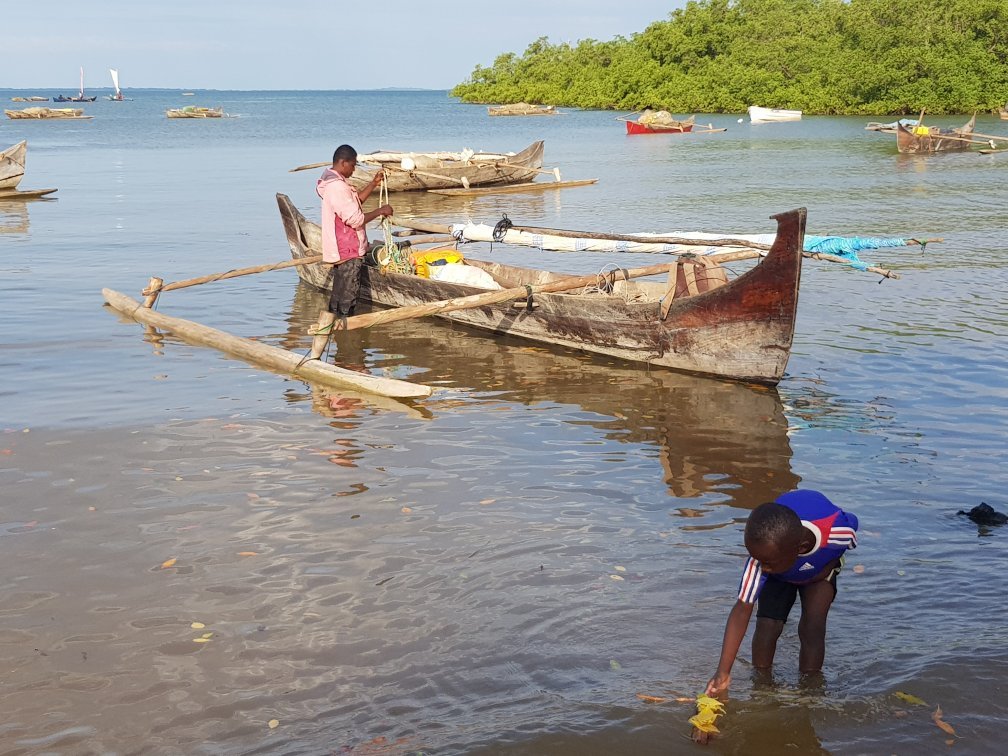
What makes the beach worth the time is that it is a working community space rather than a resort strip. Fishermen land their catch, children play football, women sell scarves and the whole town turns out for the sunset.
Canoes and paddleboards can be hired. Behind the town sit mangroves holding egrets, ibises and herons, and boat trips through them are easily arranged.
Morondava is the seat of the Menabe Sakalava kingdom, and the royal tombs nearby carry carvings that surprise most visitors who go looking for them.
Sakalava Royal Tomb Tours and Menabe Culture
The Sakalava tombs near Morondava are among the more distinctive cultural sites in Madagascar. Elaborately carved wooden posts mark the graves, and many carry frankly erotic funerary sculpture representing life and fertility.
This is not decoration for its own sake. The carvings assert continuity between the dead and the living, and the tombs testify to the power of a kingdom that dominated western Madagascar for centuries.
Visiting requires a local guide and permission, and some sites are closed to outsiders. Photography restrictions apply at several. Treat the guide’s instructions as binding rather than advisory, since these are active ancestral sites.

Betania Village Pirogue Trips
Pirogue trips across the channel to Betania take a few minutes and land you in a Vezo fishing village. Late afternoon is the time to go, when outrigger canoes come in with the day’s catch.
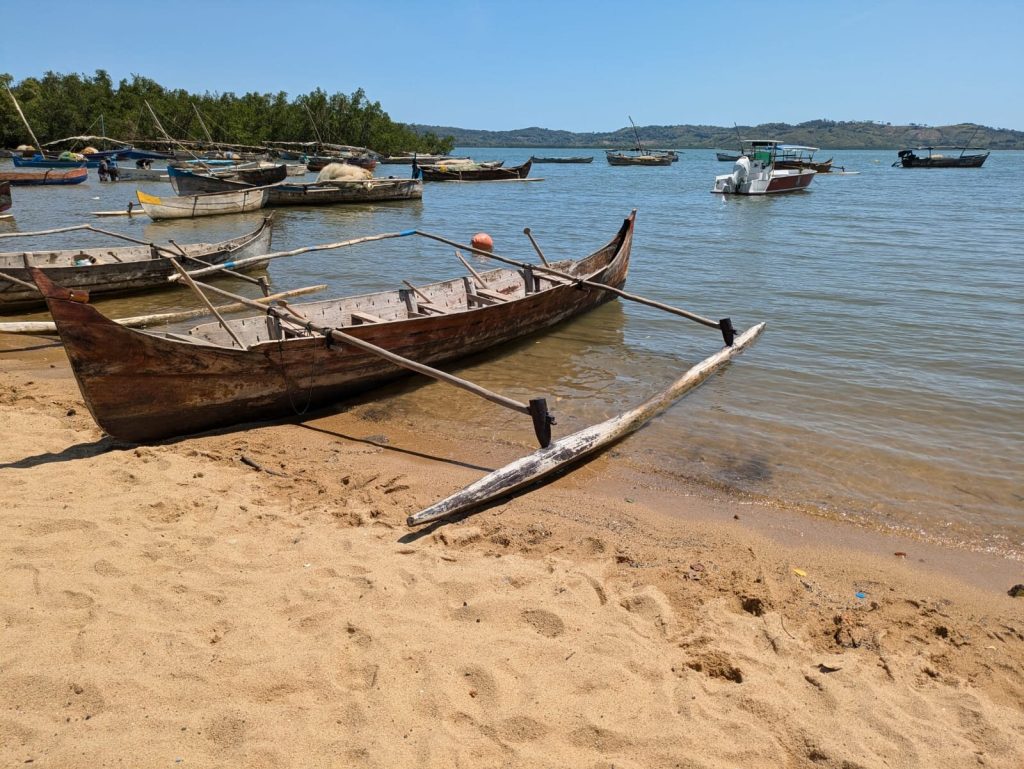
The Vezo are the sea people of western Madagascar, and their whole economy runs on fishing from these narrow sailing canoes. Watching the fleet return is the best hour of the day.
Beaches further out at Bosy, Ankevo and Kimony are reachable by pirogue or road for anyone wanting somewhere quieter than Nosy Kely.
Market Tours and Town Life in Bazary Be
Bazary Be is the town centre, a compound of narrow streets full of merchants and street vendors, and the main market is worth an hour. Lambaony fabrics are the local speciality and the prices are considerably better than at tourist markets elsewhere.
A second market operates at Namahora Nord. Near Avenue de l’Indépendance on market mornings, stalls sell warm mokary rice cakes, and spice sellers deal in vanilla and mangrove honey.
Pousse-pousses, the hand-pulled rickshaws, and tuk-tuks are the local transport and the standard way of getting between Nosy Kely and the centre. Morondava is also a centre for Sakalava wrestling, worth asking about if a bout is on.
Two nights. Sunset at the avenue, a day on the beach, and a market morning. Enough if Morondava is a stop on a wider itinerary and you are flying in and out.
A week or more. Adds an overnight at Kirindy for the fossa and the three-to-four-day run north to Tsingy de Bemaraha. The full western circuit, and what the town is really a base for.
Tsiribihina River Trips and the Makay Massif
For travellers with time and an appetite for something slower, pirogue trips up the Tsiribihina river run from near Morondava into remote country. These are multi-day expeditions, camping on sandbanks, passing waterfalls and villages reachable no other way.
The river descent is usually done in the other direction, starting inland at Miandrivazo and finishing near Belo sur Tsiribihina, taking two or three days on the water. It is one of the classic Madagascar trips and needs arranging in advance through an operator.
The Makay massif lies further inland, a maze of sandstone canyons that remained largely unexplored until scientific expeditions in recent decades. Reaching it is a serious undertaking measured in days rather than hours, and only a handful of operators run it.
Scenic charter flights over Tsingy de Bemaraha can also be booked from Morondava for anyone who wants the formations without the road. Small aircraft carrying three to five passengers make the run, which is expensive but removes days of driving.
Getting to Morondava and Getting Around
Flying is the sensible option, with Morondava airport connected to Antananarivo in about an hour. Driving from the capital takes twelve to fourteen hours via the RN34 and RN35 through Miandrivazo or Antsirabe, and road conditions vary considerably.
Taxi-brousse runs the same route for a fraction of the cost and a good deal more time. Whichever way you arrive, the town itself is small and walkable, with pousse-pousses and tuk-tuks for anything further.
Accommodation concentrates on Nosy Kely. Options run from simple guesthouses through mid-range beachfront places with pools to a handful of more comfortable properties, with rates covered in the FAQ below. Rooms sell out weeks ahead between July and October.
Best Time to Visit Morondava
The west is strongly seasonal and the wet months close off most of what people come here to do.
April to June. Roads drying out after the rains, comfortable temperatures and green country. Good conditions with fewer visitors than peak season. The Tsingy route usually reopens somewhere in this window.
July to October. Peak season with the most reliable road access north and the clearest light at the avenue. Daytime around 27 degrees, nights cooler. Hotels book out well ahead.
November. Hot and building toward the rains, with wildlife active at Kirindy and fossa still around after the mating season. Quieter and cheaper. Roads still passable.
December to March. Wet season. The RN8 north becomes impassable and Tsingy de Bemaraha shuts in all but name. The avenue stays reachable but cloud spoils the light. Most visitors avoid these months.
Frequently Asked Questions
How much does a stay in Morondava cost?
Simple guesthouses run around 20 to 30 US dollars a night, mid-range beachfront hotels with pools 50 to 100, and the more upmarket properties 100 to 150. The Avenue of the Baobabs is free with a parking charge of around 2,000 Ariary, and a return taxi from town costs roughly 50,000 Ariary. Vehicle hire for Kirindy or Tsingy is the major expense and is priced per vehicle per day.
How long should I stay?
Two nights covers the avenue and the beach if Morondava is a stop rather than a base. Four nights lets you add Kirindy overnight for the fossa. A week or more is needed for the run north to Tsingy de Bemaraha, which is a three to four day trip on its own.
Is Morondava safe?
The town itself is relaxed, though petty theft occurs at the market and along the Nosy Kely beachfront. Avoid walking on the beach or unlit roads after dark. The bigger concern is the RN8 north toward Tsingy, which has historically seen bandit activity, so travel with a reputable operator rather than independently.
When should I visit the Avenue of the Baobabs?
An hour before sunset or before dawn. The site is on a public road, open all hours, and free to enter. Midday visits are the most common mistake travellers make here, since the light flattens the trees completely.
Can I get to Tsingy de Bemaraha from here?
Yes, and Morondava is the standard departure point, but it is a serious undertaking. Two hundred kilometres or more of rough road, six to ten hours each way, two river ferries and a four-wheel drive requirement. Allow three days minimum. The route closes from roughly December through March.
Is the beach good for swimming?
It is pleasant but currents can be strong, so take local advice before going far out. The beach works better as a place to watch the fishing fleet and the sunset than as a swimming destination. Quieter beaches at Bosy, Ankevo and Kimony are reachable by pirogue or road.
What is the difference between Kirindy Forest and Kirindy Mite?
They are two different places roughly 150 km apart and are constantly confused. Kirindy Forest Reserve is private, sits 50 to 60 km north of Morondava, and is where fossa sightings happen. Kirindy Mite National Park is 90 km south at Belo sur Mer and protects dry forest, mangrove and reef. Check which one your itinerary means.
Planning Your Visit
Morondava is a base rather than a destination, and how long you stay depends entirely on how far north you intend to go. Two nights gets you baobabs and a beach. A week gets you fossa, tsingy and one of the more demanding road trips in Madagascar.
Booking Your Madagascar Trip
The safari companies and tour operators listed on this website put trips like this together for a living and know which camps, guides and routes actually deliver. We are an independent guide to Madagascar; we do not book or sell tours ourselves.
When you are ready, arrange your safari, tour or holiday with one of the recognised operators listed here. Tell them your dates and what matters most, and a real person, not a form, will handle the itinerary, park bookings and logistics for you.