Lake Alaotra
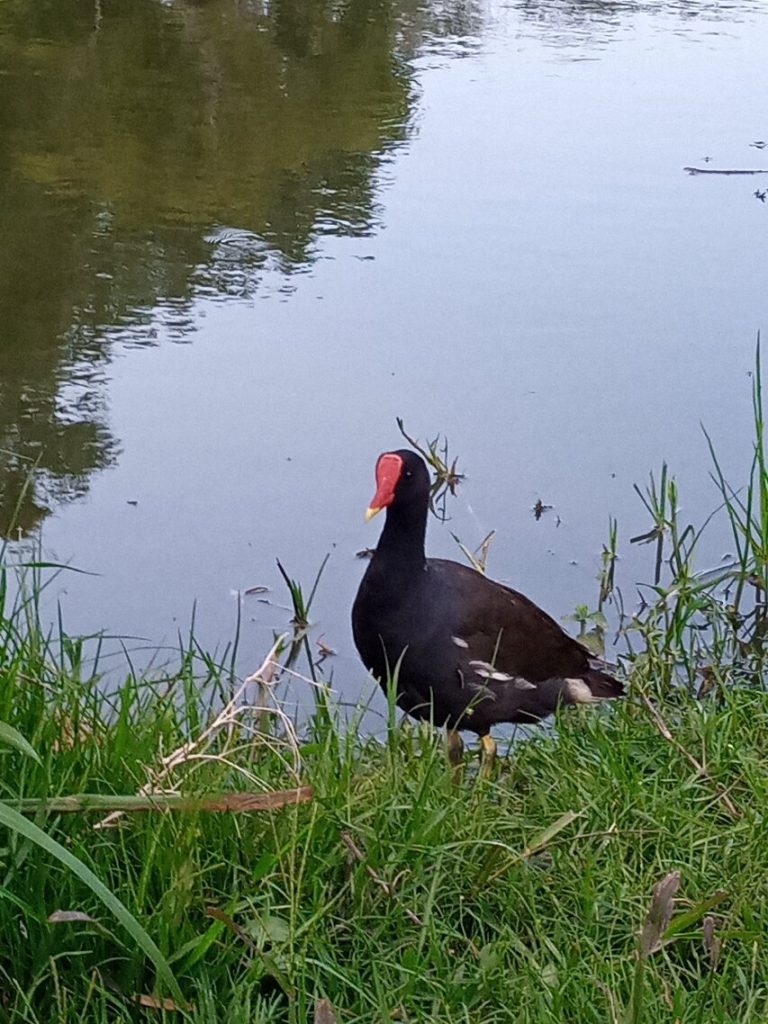
Lake Alaotra is Madagascar’s largest lake, sitting in a rice-growing plain northeast of Antananarivo, and it holds the bandro or Alaotra gentle lemur, which lives in marsh reeds and nowhere else on earth. Dawn canoe trips from Andreba village are community-run. The lake is also the country’s rice bowl and among its most degraded wetlands.
The Bandro
The Alaotra gentle lemur, Hapalemur alaotrensis, is the only primate in the world living entirely in marshland. It spends its life in papyrus and reed beds, swimming between stands and feeding on the reeds themselves.
Locals call it bandro. It is critically endangered, with the population reduced severely by marsh burning, conversion of wetland to rice and hunting.
Seeing one means a dawn canoe trip through the reed channels with a local guide, which is how the animals are found. They are most active early and settle into cover as the day warms.
Sightings are good rather than guaranteed, and the setting is unlike any other lemur viewing in Madagascar: a boat pushed through papyrus rather than a forest walk.
Conservation work here has focused on marsh protection and on working with the fishing and farming communities whose livelihoods depend on the same wetland. Captive breeding programmes exist abroad, though the wild population is what matters and it is small.
The reserve is community-managed and the trips are run by villagers from Andreba, which makes this one of the more direct examples of conservation revenue reaching the people doing the protecting.
The only primate on earth that lives in marshland. The bandro swims between reed stands on a lake most travellers have never heard of.
Andreba and the Canoe Trips
Andreba village on the eastern shore is where visits are arranged, with the local association running the boats and guiding.
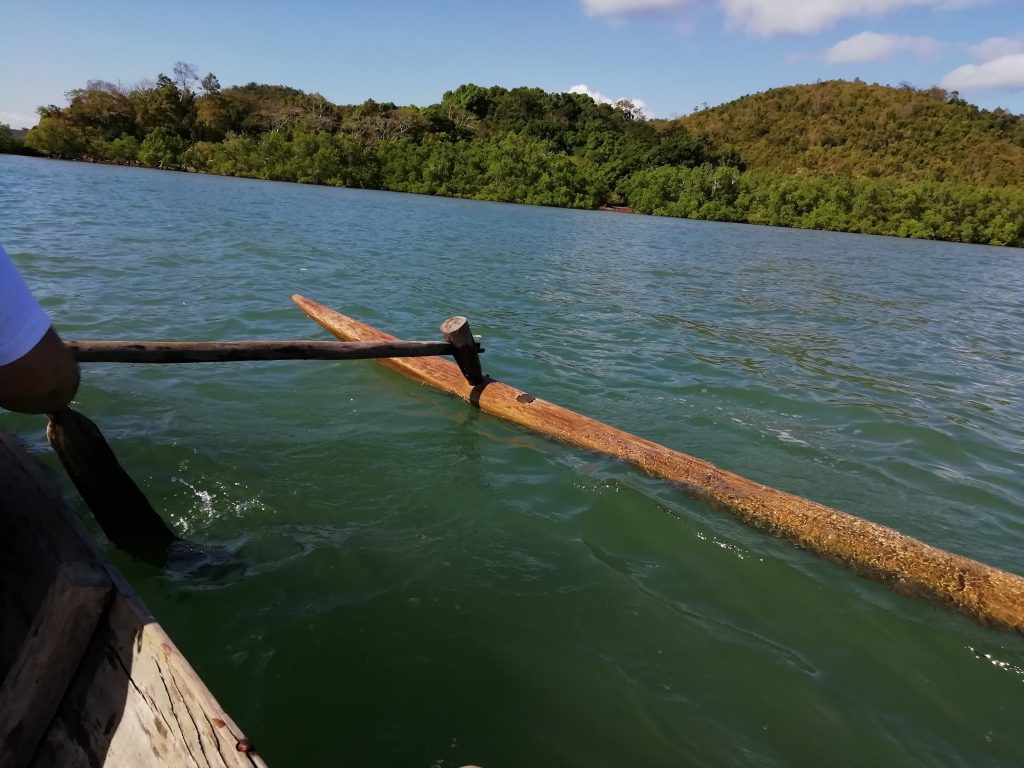
Trips leave before dawn, since the lemurs are active early. Canoes are pushed through channels cut in the papyrus, and the guides know which stands the family groups use.
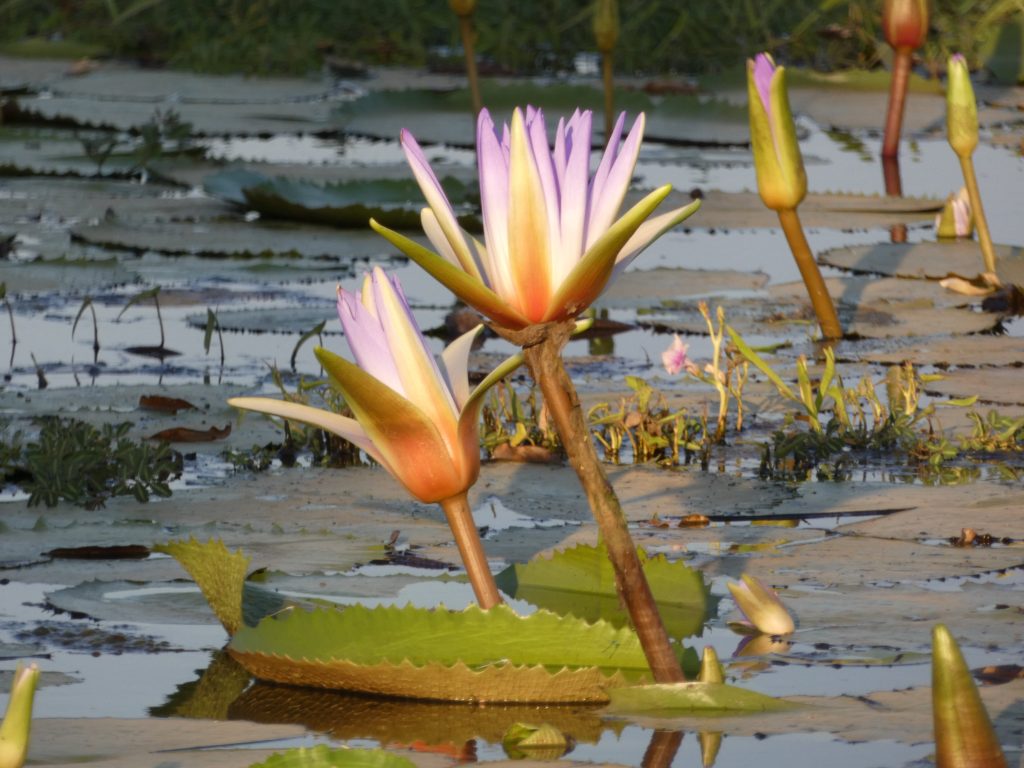
Birdlife is the other draw. The marsh holds herons, egrets, ducks and several species associated with Malagasy wetlands, some of them threatened. Madagascar pond herons and Meller’s ducks both occur.
The trip takes two to three hours and is gentle, requiring no fitness beyond sitting in a canoe. Mornings on the water are cold in the dry season, so bring layers even though the days warm quickly.
Accommodation in the area is basic, with simple guesthouses at Ambatondrazaka and around the lake. Staying at or near Andreba rather than driving out from the town on the morning is what makes a dawn departure possible.
The community association arranges trips the evening before, so arriving in the afternoon and organising then is the practical sequence. Nothing here runs to a booking system.
The Rice Bowl
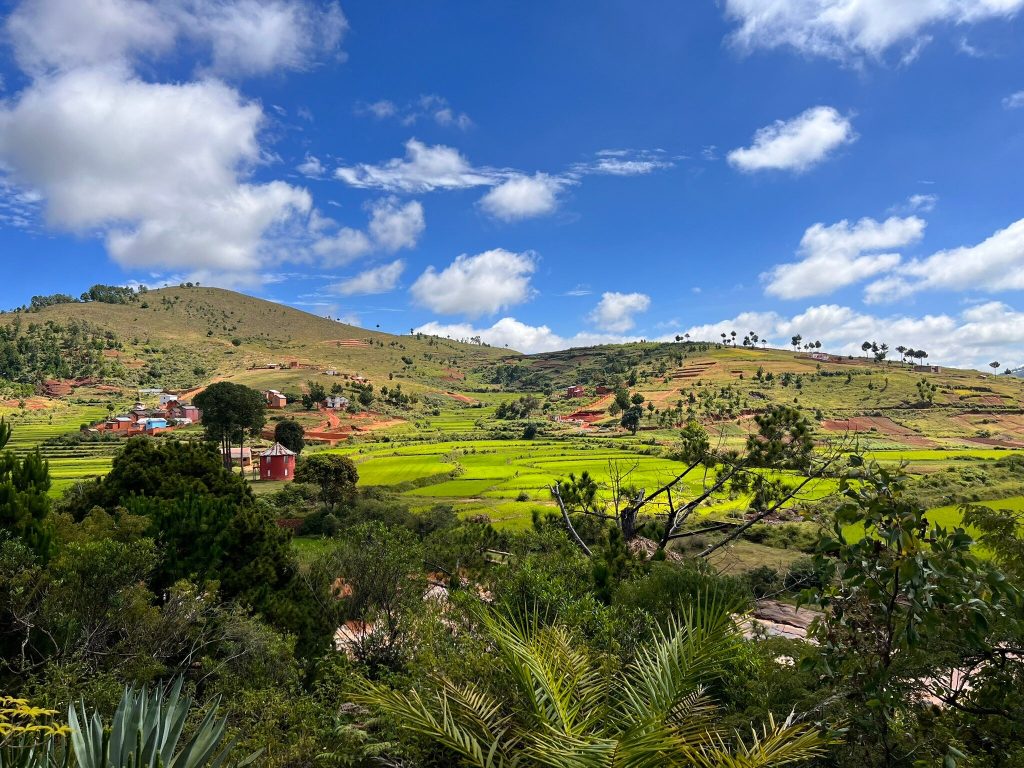
The Alaotra plain is Madagascar’s most productive rice-growing region, and that is the fundamental tension here.
Rice is the foundation of Malagasy eating, consumed at every meal, and the country’s consumption per head is among the highest anywhere. The plain around this lake grows a substantial share of it.
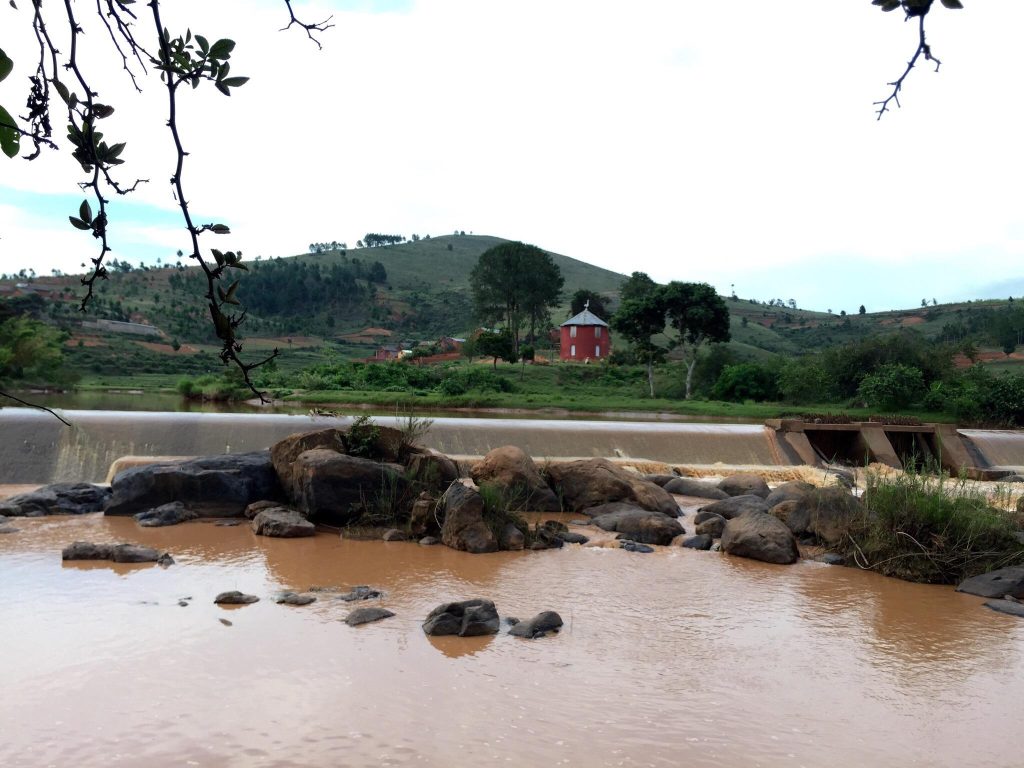
Wetland conversion for paddies is the main pressure on the marsh, alongside burning to clear reeds and sedimentation from deforested slopes feeding the lake.
The lake has shrunk and shallowed measurably over recent decades, and its fisheries have declined with it.
This is not a straightforward conservation story with obvious villains. The plain feeds a large number of people in a country where food security is a live problem, and the marsh that supports the bandro is the same marsh that could grow more rice.
Worth the detour if. You care about seeing a lemur nobody else sees, want a wetland experience unlike anything else in Madagascar, or are travelling to Zahamena and passing anyway.
Skip it if. Your trip is short, you want forest wildlife, or you are not prepared for basic accommodation and a long detour from the standard circuits. Andasibe delivers more for less effort.
Getting There
Ambatondrazaka is the main town on the lake, reached from Antananarivo on the RN44 in around six to eight hours depending on road conditions.
The route branches off the RN2 at Moramanga, which is also where the road to Andasibe leaves, so the lake can be combined with the eastern rainforest.
A train runs between Moramanga and Ambatondrazaka on some days, which is a slower and more atmospheric alternative to the road for travellers with time.
From Ambatondrazaka, Andreba is reached by road around the lake. Local transport exists but arranging a vehicle is simpler.
Draw cash in Antananarivo or Ambatondrazaka, since the villages have no banks.
Combining with Zahamena
Zahamena National Park lies northeast of Ambatondrazaka and is among the least visited protected areas in Madagascar, holding thirteen lemur species including indri.
Access is difficult: 67 km from Ambatondrazaka on rough track taking around four hours, with self-supported camping and no lodge within reach.
For travellers already at Lake Alaotra, Zahamena is the obvious extension. For everyone else, Andasibe delivers the same species community with vastly better infrastructure.
The two together make a genuine eastern detour for anyone with a week and a taste for places nobody goes.
Zahamena is part of the Rainforests of the Atsinanana UNESCO listing inscribed in 2007, alongside Marojejy, Masoala, Ranomafana, Andringitra and Andohahela. Both it and the lake sit in a region that sees a fraction of Madagascar’s visitors.
The practical difficulty with Zahamena is that there is no lodge, so trips are self-supported camping with everything carried in from Ambatondrazaka. That is the barrier rather than the walking.
Dawn is not optional here. The bandro are active early and settle into cover as the morning warms, so a trip leaving at first light is the difference between a sighting and a boat ride through reeds. Village associations arrange trips the evening before, which means staying nearby rather than driving out on the morning.
The Wider Alaotra Region
Ambatondrazaka is the regional centre, a working town serving the rice plain with basic accommodation and a market reflecting the agricultural economy.
The plain around it is among the most heavily farmed country in Madagascar, and the drive in from Moramanga passes through terraced hills and then flat paddy that stretches to the horizon.
Erosion is visible on the surrounding slopes, with the gullies known as lavaka cutting into deforested hillsides. The soil they shed ends in the lake, which is part of why it has shallowed.
The region sees very few foreign visitors, and travellers who come report the reception as genuinely curious rather than practised, since tourism has not defined how people here relate to outsiders.
For anyone interested in how rural Madagascar actually functions rather than in wildlife alone, the Alaotra plain is more instructive than the tourist circuits.
Best Time to Visit
The lake sits in the eastern highlands and follows the pattern of that region.
April to June. Rains easing, roads improving on the RN44 and comfortable conditions on the water. Quiet and a reasonable window for the canoe trips.
July to September. Driest and coolest, with the most reliable road access. Mornings on the water are cold, so bring layers. The best window for combining with Zahamena.
October and November. Warming with good conditions and active wildlife. Rice planting activity across the plain. Roads still reliable before the wet season proper.
December to March. Wet season, when the RN44 deteriorates and Zahamena becomes difficult. The lake itself remains accessible but the wider region is harder to travel.
The lake also holds a warning about how quickly Malagasy wetlands can change. A grebe endemic to Alaotra was declared extinct within living memory, lost to a combination of habitat change, introduced fish and netting. The bandro survives in the same system under the same pressures, which is what gives the community management effort at Andreba its urgency.
Frequently Asked Questions
What is the bandro?
The Alaotra gentle lemur, the only primate in the world living entirely in marshland. It spends its life in papyrus and reed beds, swimming between stands and feeding on the reeds. Critically endangered, with the population reduced by marsh burning, conversion of wetland to rice and hunting.
How do I see one?
A dawn canoe trip from Andreba village on the eastern shore, arranged through the community association that runs the boats and guiding. Trips leave before first light since the lemurs settle into cover as the morning warms, and take two to three hours through channels cut in the papyrus.
How do I get to Lake Alaotra?
Ambatondrazaka is reached from Antananarivo on the RN44 in six to eight hours, branching off the RN2 at Moramanga where the Andasibe road also leaves. A train runs between Moramanga and Ambatondrazaka on some days as a slower alternative. Andreba is reached by road around the lake from there.
Is it worth the detour?
For travellers who want a lemur almost nobody sees and a wetland experience unlike anything else in Madagascar, yes. For short trips or those wanting forest wildlife, Andasibe delivers considerably more for far less effort. It combines well with Zahamena for anyone with a week.
What does it cost?
The community reserve sets modest rates for the canoe trip and guiding, paid in cash in Ariary at Andreba. Accommodation around the lake is basic and inexpensive. The main cost is reaching the region, six to eight hours by road from Antananarivo, and there are no banks in the villages.
What else lives there?
The marsh holds herons, egrets, ducks and several threatened wetland species including Madagascar pond herons and Meller’s ducks. Birding from a canoe at dawn is productive. The lake was also home to a grebe now believed extinct, which is part of the wider story of the wetland’s decline.
Why is the lake threatened?
Wetland conversion for rice paddies is the main pressure, alongside burning to clear reeds and sedimentation from deforested slopes. The plain is Madagascar’s most productive rice-growing region in a country where food security is a live problem, so the tension between the marsh and the paddies is real rather than simple.
Can I combine it with Zahamena?
Yes, and it is the logical extension. Zahamena lies 67 km from Ambatondrazaka on rough track taking around four hours, holding thirteen lemur species including indri, with self-supported camping and no lodge. Together they make a genuine eastern detour for travellers with a week.
Planning Your Trip
Lake Alaotra is a long way from the standard circuits for a lemur most visitors have never heard of, and that is the argument for and against it. What it offers is the only marsh-dwelling primate on earth, seen from a canoe at dawn, in a place where almost no travellers go.
Booking Your Madagascar Trip
The safari companies and tour operators listed on this website put trips like this together for a living and know which camps, guides and routes actually deliver. We are an independent guide to Madagascar; we do not book or sell tours ourselves.
When you are ready, arrange your safari, tour or holiday with one of the recognised operators listed here. Tell them your dates and what matters most, and a real person, not a form, will handle the itinerary, park bookings and logistics for you.