Mahajanga (Majunga)

Mahajanga, also called Majunga, is Madagascar’s most cosmopolitan city, a west coast port where Sakalava, Comorian, Indian and Arab communities have mixed for centuries. Visitors come for the seafront Corniche, the giant baobab, the red sandstone amphitheatre at Cirque Rouge and the caves at Anjohibe. It is also the access point for Ankarafantsika National Park and the remote reserves at Namoroka and Baly Bay.
Corniche Walking Tours and the Giant Baobab
The Corniche, known locally as Le Bord, is the palm-lined seafront promenade and the social centre of the city. It comes alive at sunset with street food stalls, music and half the population out walking in the cooling air.
At one end stands Le Baobab de Majunga, an African baobab with a circumference reported at over 20 metres and an age measured in centuries. It is the emblem of the city and the obvious meeting point.
Grilled skewers, samosas and fresh coconut are the standard evening eating. Beaches line parts of the seafront, including Plage du Grand Pavois backed by restaurants, though the swimming is better out of town.
Old Town Tours and the Ships’ Cemetery
Walking tours of the old quarter cover carved wooden doors, former trading posts and ochre colonial façades in narrow streets planted with bougainvillea. The Arab influence on the architecture is unmistakable and predates the French considerably.
Down at the waterfront sits the ships’ cemetery, a collection of old wrecks rusting in the shallows. It is an odd sight and a photogenic one, and reflects the city’s long history as a trading port on Indian Ocean routes.
Mahajanga’s diversity is the thing visitors notice. Alongside Sakalava, Tsimihety and Merina Malagasy communities, the city has substantial Comorian, Indian, Pakistani, Chinese and Arab populations, which shows in the food, the mosques and the markets.
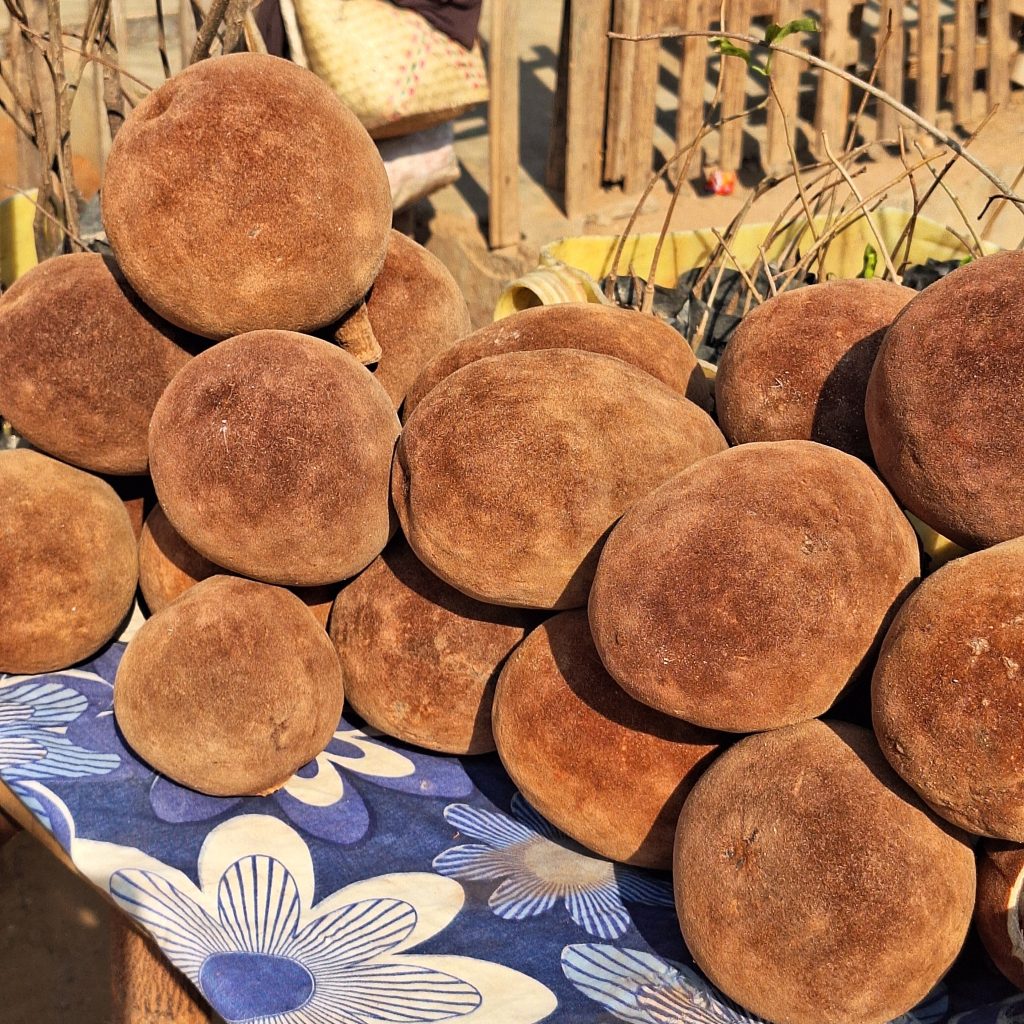
Called the city of flowers, and the most cosmopolitan place in Madagascar. The mix here has been building for a thousand years of Indian Ocean trade.
Cirque Rouge Tours and the Red Amphitheatre
Cirque Rouge lies a short drive from the city, a natural amphitheatre of eroded sandstone in reds, ochres and whites. Water has cut the soft rock into ridges and gullies, and the colour intensifies through the late afternoon.
Go in the last hours of light. Under midday sun the formations flatten out, which is the same problem the Red Tsingy has in the far north, and for the same reason.
The site is easy to reach and needs an hour or two. Combining it with a sunset back on the Corniche makes a straightforward afternoon.
Anjohibe Cave Tours and Underground Pools
The Anjohibe caves sit about 80 km northeast and are among the more substantial cave systems in Madagascar, with chambers, stalactite formations and underground pools where swimming is possible.
The track in is rough and needs a four-wheel drive, and the caves become inaccessible in the wet season when the route floods. Day trips are arranged through operators in the city and take most of a day.
Fossil deposits at Anjohibe have yielded subfossil remains of extinct Malagasy megafauna, which gives the site scientific interest well beyond the formations themselves.
Katsepy Ferry Trips and the Lighthouse
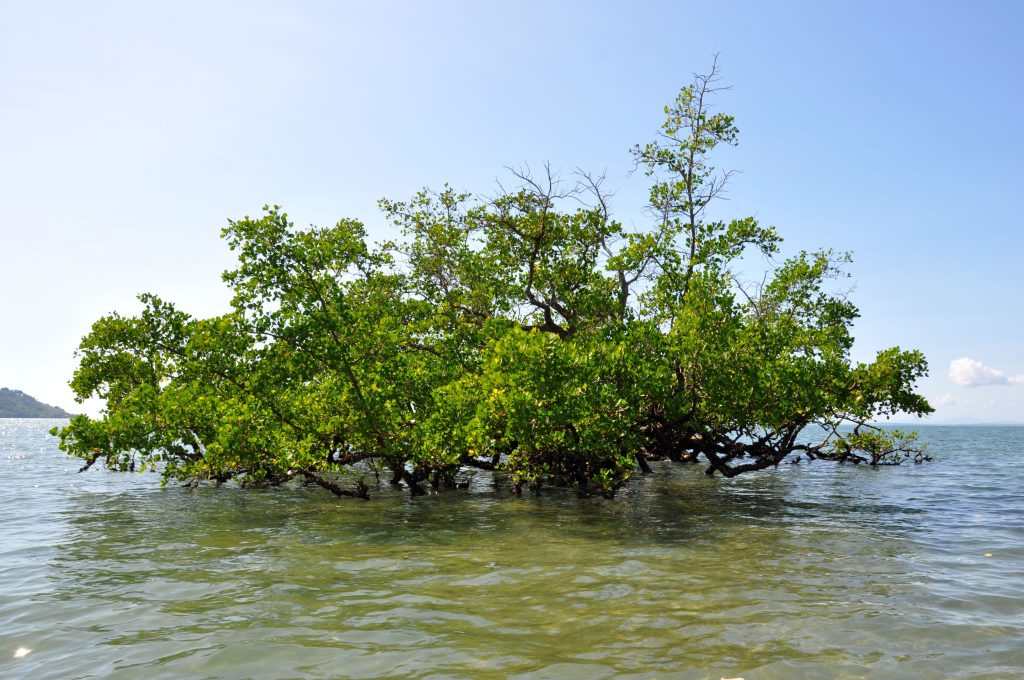
Across Bombetoka Bay lies Katsepy, reached by ferry from Mahajanga, a quiet fishing village with beaches and a lighthouse offering views back across the water.
The crossing is part of the appeal, passing through the bay where the Betsiboka river empties into the Mozambique Channel. The river carries so much eroded red soil that the plume is visible from the air, a stark illustration of deforestation upstream.
Katsepy is also the start of the long overland route toward Soalala, Namoroka and Baly Bay for anyone attempting those remote parks. For most visitors it is a day trip and a beach.
Mahajanga is the launch point for two of the hardest-to-reach parks in Madagascar. Tsingy de Namoroka and Baie de Baly both require getting to Soalala, roughly 150 km away, either by charter flight, a two-day four-wheel drive via Katsepy, or a boat charter of six to fourteen hours. Both parks are accessible only from around May to October. Anyone planning either should treat Mahajanga as the staging post and allow a week.
Ankarafantsika National Park Trips
Ankarafantsika lies about 115 km southeast on the RN4, roughly two hours, and is one of the most rewarding parks in Madagascar for effort expended. Eight lemur species including Coquerel’s sifaka, 129 bird species and a straddling position on a sealed road make it unusually accessible.
Lake Ravelobe holds Madagascar fish eagles and breeding crocodiles, and night walks near the Ampijoroa forest station turn up golden-brown mouse lemurs found reliably nowhere else.
Two nights at Ampijoroa is the sweet spot. The park sits directly on the road between Mahajanga and Antananarivo, so it fits naturally into the drive rather than requiring a detour.
Two or three days. The Corniche, the old town, Cirque Rouge, Anjohibe caves and a ferry to Katsepy. Covers the city and its immediate surroundings comfortably.
A week or more. Adds Ankarafantsika on the road south, or an expedition to Namoroka and Baly Bay via Soalala. The second option is serious travel and needs the dry season.
Food Tours and the Cuisine of the Coast
Mahajanga eats better than most Malagasy cities, and the reason is the mix. Comorian, Indian and Arab kitchens sit alongside Malagasy cooking, and the seafood comes in daily from the channel.
Samosas here are closer to the Indian original than the Malagasy version found inland. Grilled fish, prawns and crab appear on every menu, and the Corniche stalls sell brochettes, fried snacks and fresh coconut through the evening.
Look for mofo, the fried breads sold from street stands in the morning, and for the composite dishes that show Comorian influence in their use of coconut milk and spice. The Indian community supports proper curry houses, which is unusual outside the capital.
Rice remains the base of Malagasy meals here as everywhere, served with laoka, but the accompanying dishes lean toward fish and toward heavier spicing than the highlands use. Fresh juice from tropical fruit is cheap and everywhere.
Getting to Mahajanga and Getting Around
Flights connect Mahajanga to Antananarivo in about an hour. The road alternative is the RN4, sealed and in reasonable condition, taking most of a day from the capital and passing directly through Ankarafantsika.
In the city, taxis and tuk-tuks handle short journeys and the Corniche and old town are walkable. Four-wheel drive hire with a driver is needed for Anjohibe and for anything beyond Katsepy.
Accommodation covers a decent range for a provincial city, from budget guesthouses to comfortable seafront hotels. The city is a domestic holiday destination for Malagasy visitors, so it fills during local school holidays.
Best Time to Visit Mahajanga
The west coast here is hot and dry for most of the year, tempered by a constant breeze off the Mozambique Channel.
April to June. Rains finished, tracks drying and temperatures comfortable. Good conditions for Anjohibe and the Cirque Rouge, and the country is still green.
July to September. Coolest and driest, and the only reliable window for the Soalala expeditions to Namoroka and Baly Bay. Peak season for Ankarafantsika, where leafless trees improve wildlife visibility.
October and November. Hot and dry with reptiles active and good conditions inland. Quieter than mid-year. Midday heat in the city becomes considerable.
December to March. Wet season. The track to Anjohibe floods, the remote parks close and the heat combines with humidity. The city itself stays functional and prices drop.
The city is also the practical staging point for anyone attempting the northwest’s remote parks, and the arrangements need making here rather than improvised further on. Vehicles, boat charters, supplies and cash all come from Mahajanga, since Soalala and the country beyond it hold nothing a traveller can rely on.

Frequently Asked Questions
How much does a trip to Mahajanga cost?
The city is inexpensive by Malagasy standards. Taxis and tuk-tuks cost very little and the Corniche is free. Cirque Rouge charges a modest site fee. The Anjohibe cave day trip requires four-wheel drive hire and is priced per vehicle, making it the main local expense. Ankarafantsika park entry is 45,000 Ariary per adult per day plus guide fees. Expeditions to Soalala are a different order of cost entirely.
How many days do I need?
Two or three days covers the city, Cirque Rouge, Anjohibe and Katsepy. Adding Ankarafantsika on the road south extends it by two nights and is well worth doing. Namoroka or Baly Bay need a week or more and should only be attempted between May and October.
Is Mahajanga worth visiting?
As a city, it is the most characterful port in Madagascar and the cultural mix is genuinely different from anywhere else. As a base, it opens Ankarafantsika and two of the country’s remotest parks. Travellers looking only for wildlife may prefer to visit Ankarafantsika directly from the RN4 without stopping in the city.
Can I swim at the city beaches?
The seafront beaches are pleasant for walking and there are restaurants backing them, but the swimming is better across the bay at Katsepy or further out of town. Take local advice on currents and on where is used by residents.
How do I reach Namoroka and Baly Bay?
Through Soalala, roughly 150 km away, by charter flight, by a two-day four-wheel drive crossing Bombetoka Bay at Katsepy, or by chartered boat taking six to fourteen hours. All three need arranging in advance through an operator. Both parks are accessible only from around May to October, and infrastructure at each is minimal.
What is the ships’ cemetery?
A collection of abandoned vessels rusting in the shallows near the waterfront, remnants of the city’s long history as a trading and fishing port. It takes ten minutes to see and is one of the more photogenic corners of the city.
Is Ankarafantsika worth stopping at?
Yes, and it is one of the best value parks in Madagascar. Eight lemur species with Coquerel’s sifaka relaxed around visitors, 129 birds including Van Dam’s vanga, flat easy trails and productive night walks. It sits directly on the RN4 between Mahajanga and Antananarivo, so it costs no detour at all.
Planning Your Visit
Mahajanga is worth a couple of days for itself and considerably more as a base. The city has a character no other Malagasy port matches, and it sits at the head of routes into some of the least visited country on the island.
Booking Your Madagascar Trip
The safari companies and tour operators listed on this website put trips like this together for a living and know which camps, guides and routes actually deliver. We are an independent guide to Madagascar; we do not book or sell tours ourselves.
When you are ready, arrange your safari, tour or holiday with one of the recognised operators listed here. Tell them your dates and what matters most, and a real person, not a form, will handle the itinerary, park bookings and logistics for you.