The Mitsio Archipelago

The Mitsio archipelago lies around 55 to 70 km northeast of Nosy Be, a scatter of eleven islands with some of the best diving in Madagascar and almost nobody on them. Nosy Tsarabanjina holds the only resort, Nosy Mitsio is the sole properly inhabited island, and the basalt columns of Les Quatre Frères hold seabird colonies. Reaching any of it means a crossing of two hours or more.
The Islands
Eleven islands make up the archipelago across roughly 29.7 square kilometres, sitting about 30 km off the Malagasy mainland and 60 km northwest of Ambilobe.
Nosy Mitsio, also called Grande Mitsio, is the main island at 12 km long and 3 km wide, rising to 206 metres at Mount Ankarana. It holds several fishing villages and coconut plantations, with a population of around 3,000, mostly Antakarana.
Nosy Tsarabanjina means island of white sand in Malagasy, and is the first island reached coming from the south. It is mountainous and forested with white sand beaches and encircling reef.
Nosy Ankarea is the highest at 219 metres, its forest relatively untouched thanks to fady restrictions, and holds succulent plants and a bay rated among the best diving in the group.
Nosy Lava is the northernmost, 3.5 km long and 1.5 km wide with a highest point of 160 metres and a beach exposed along the northern side at low tide.
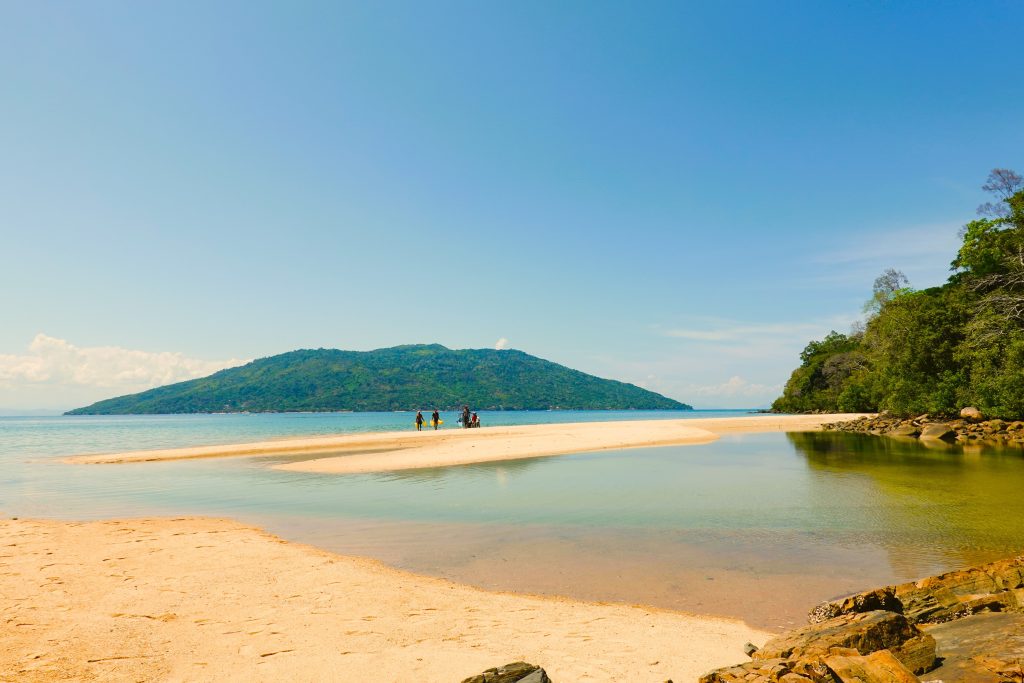
Eleven islands, one resort, one inhabited village group and reefs rated among the best in Madagascar. The Mitsio archipelago is what the Nosy Be islands were before the boats arrived.
Diving and Snorkelling
The archipelago’s distance from any large landmass is what gives it the water quality, with clear conditions and reefs sitting well out from the island perimeters.
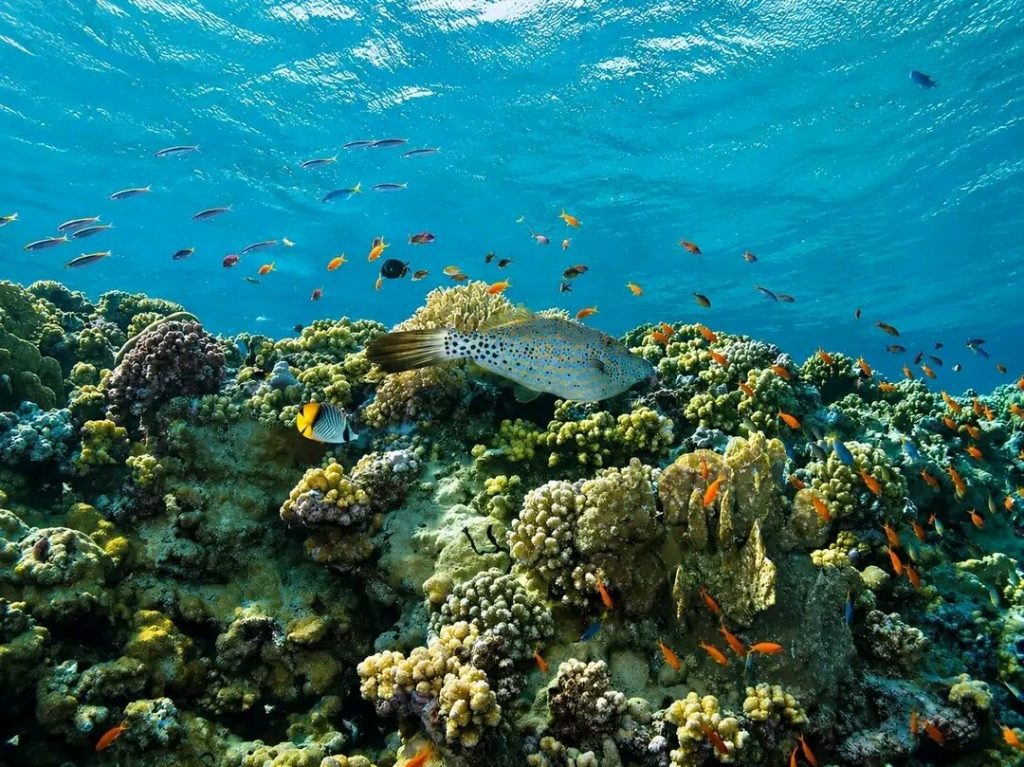
Coral is in good condition and the fish life reflects it, with eels, barracuda, kingfish and tuna alongside the reef species. The sites are widely rated among the best in Madagascar.
The bay at Nosy Ankarea is the standout, with corals, gorgonians and a density of colourful fish that divers travel for.
Water temperatures run between 25 and 30 degrees depending on season, and the reefs shelter the coast enough that conditions are usually calm inside them.
A dive centre operates from Tsarabanjina, and operators from Nosy Be run trips out, though the distance means these are full-day or multi-day rather than casual excursions.
Les Quatre Frères
Les Quatre Frères, the Four Brothers, are four basalt rock columns rising from the sea, partly covered in savanna vegetation and among the more striking sights in the archipelago.
Two of them hold large caves with overhangs that serve as nesting sites for hundreds of seabirds, including brown boobies, white-tailed tropicbirds and frigatebirds.
The formations are geological rather than coral, dark columns against clear water, and they photograph well from a boat.
Landing is not the point here. The birds and the rock are seen from the water, and diving around the bases is part of the standard archipelago itinerary.
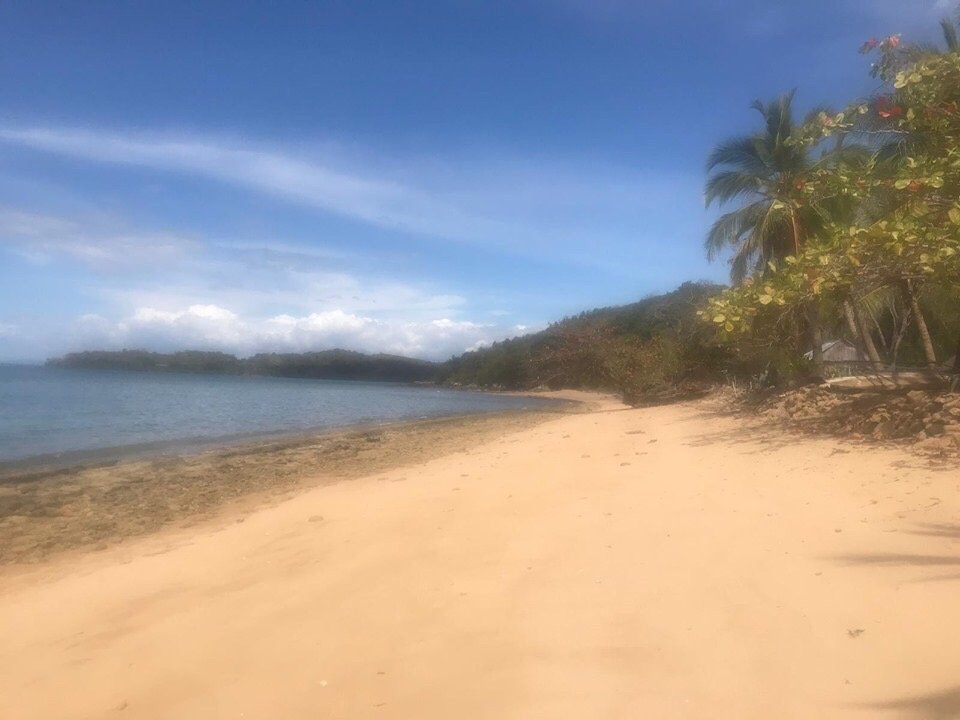
Tsarabanjina. The only accommodation in the archipelago, a private island resort with a dive centre. Expensive and secluded, reached by boat in around two hours or by charter flight.
Multi-day boat trip. Three days covering Grande Mitsio, Tsarabanjina, Nosy Lava, Nosy Ankarea and Les Quatre Frères, camping or sleeping aboard. Arranged through operators in Nosy Be.
Long day trip. Possible from Nosy Be but the crossing is two hours each way and sometimes choppy, which leaves limited time. Better as part of a longer arrangement.
Nosy Tsarabanjina
Tsarabanjina is the only island in the archipelago with accommodation, and the resort occupies it alone with no other habitation.
Bungalows are split between a northern and a southern beach, with the dive centre on the island and excursions to the neighbouring islets running daily.
Vegetation includes baobabs and pachypodiums, and the birdlife is good, with a fair chance of the critically endangered Madagascar fish eagle and the Madagascar paradise flycatcher.
The reef around the island holds dolphins and green turtles, and humpback whales pass between July and August.
The island appeared on British television in 1994 when a BBC programme filmed there, which is a piece of trivia guides sometimes mention.
Nosy Mitsio and Village Life
Grande Mitsio is the only properly inhabited island, and it is genuinely rural with no infrastructural development to speak of.
The population lives in small family villages under the municipality of Antsohimbondrona, with several primary schools and very limited healthcare access.
Most inhabitants are subsistence rice farmers who also fish and gather shellfish, using a range of methods. The Antakarana are the people here, the same group that gives its name to the limestone country at Ankarana on the mainland.
Visits to the fishing villages are part of the archipelago itineraries, and the exchange is informal rather than arranged for tourism, since almost nobody comes.
Coconut plantations cover parts of the island alongside the rice.
Do not confuse this Nosy Lava with the other one. The Mitsio island is a small uninhabited islet at the northern end of the archipelago. A separate island of the same name in the Analalava district was a prison island and has an entirely different history. Operators and guidebooks occasionally mix them up.
Fishing and the Wider Waters
The archipelago is a genuine sport fishing destination, with the deep water around the islands holding tuna, kingfish and barracuda alongside the reef species.
Charters run from Nosy Be and from Tsarabanjina, and the distance from any fishing pressure means the grounds are considerably less worked than closer to the main island.
Local fishing is subsistence rather than commercial across most of the archipelago, with villagers on Grande Mitsio using a range of methods alongside shellfish gathering and rice farming.
Sea conditions govern everything. The crossing is exposed and the same water that keeps the reefs clear makes the trip out unreliable outside the calmer months.
Manta rays and dolphins occur through the archipelago, and the reef around Tsarabanjina holds green turtles year-round.
Anyone chartering should agree what happens to the catch before setting off. Some operators prepare it for dinner, others release, and practice varies considerably between boats working out of Nosy Be.
Getting There
The crossing from Nosy Be takes around two hours by boat and can be choppy, since the archipelago sits well out from any shelter.
Charter flights are possible to Tsarabanjina for guests of the resort, which removes the sea crossing entirely at considerable cost.
Multi-day boat trips are the practical way to see more than one island, typically three days covering the main islands with nights aboard or camping.
Day trips from Nosy Be exist but the four hours of return crossing leaves limited time, which is why most visitors either stay at Tsarabanjina or take a longer arrangement.
There is no bank, no ATM and no supplies beyond the resort. Everything comes with you.

Best Time to Visit
Sea conditions determine access, and the archipelago’s exposure makes that more notable than on the sheltered Nosy Be coast.
April to June. Seas settling after the rains with good visibility and calm crossings. Comfortable temperatures and very few visitors anywhere in the archipelago.
July and August. Humpback whales pass through, visible around Tsarabanjina and the wider group. Dry and clear, with the busiest period at the resort.
September to November. The strongest window for diving, with warm water and the best underwater visibility of the year. Whale sharks appear in the wider Nosy Be region.
December to March. Rainy season with rougher seas making the exposed crossing unreliable. Access becomes difficult and multi-day trips are hard to arrange.
Anyone planning a multi-day trip should confirm what the boat actually is before committing. Craft working these waters range from small open vessels to larger boats with cabins, and the difference matters across a two-hour exposed crossing and several nights aboard. Ask about shade, seating, toilet arrangements and where you will sleep, since the archipelago’s appeal depends on being comfortable enough to enjoy it.
Frequently Asked Questions
Where is the Mitsio archipelago?
Around 55 to 70 km northeast of Nosy Be and 30 km off the Malagasy mainland, comprising eleven islands across roughly 29.7 square kilometres. Nosy Mitsio, or Grande Mitsio, is the main island at 12 km long, rising to 206 metres at Mount Ankarana.
How do I get there?
By boat from Nosy Be, taking around two hours and sometimes choppy given the exposure. Charter flights serve Tsarabanjina for resort guests. Multi-day boat trips of around three days are the practical way to see several islands, with nights aboard or camping.
Is the diving good?
Widely rated among the best in Madagascar. The archipelago’s distance from any large landmass gives it clear water and coral in good condition, with eels, barracuda, kingfish and tuna alongside reef species. The bay at Nosy Ankarea is the standout site.
Where can I stay?
Tsarabanjina is the only island with accommodation, a private island resort occupying it alone with bungalows split between two beaches and a dive centre on site. Everywhere else means camping or sleeping aboard on a multi-day trip. There is no bank or supplies beyond the resort.
Is it worth the crossing?
For divers, yes, since the reefs are rated among Madagascar’s best and see very few boats. For beach travellers, the Nosy Be archipelago at Tanikely, Komba and Iranja delivers comparable water with a fraction of the travel. Two hours each way is a real commitment for a day trip.
What are Les Quatre Frères?
Four basalt rock columns rising from the sea, partly covered in savanna vegetation, with two holding large caves and overhangs that serve as nesting sites for hundreds of seabirds including brown boobies, white-tailed tropicbirds and frigatebirds. They are seen from the water rather than landed on.
Can I see whales?
Humpbacks pass through between July and August, visible around Tsarabanjina and the wider archipelago, and the reefs there hold dolphins and green turtles year-round. Whale sharks appear in the broader Nosy Be region from around September to November.
Who lives there?
Around 3,000 people, almost all on Grande Mitsio, mostly Antakarana living in small family villages as subsistence rice farmers who also fish and gather shellfish. There is no infrastructural development, several primary schools and very limited healthcare. Tsarabanjina has a small population serving the resort.
Planning Your Trip
The Mitsio archipelago is the diving destination in northern Madagascar and the least visited part of the Nosy Be region. Reaching it takes commitment, and what sits at the other end is reef almost nobody swims and islands with one resort between them.
Booking Your Madagascar Trip
The safari companies and tour operators listed on this website put trips like this together for a living and know which camps, guides and routes actually deliver. We are an independent guide to Madagascar; we do not book or sell tours ourselves.
When you are ready, arrange your safari, tour or holiday with one of the recognised operators listed here. Tell them your dates and what matters most, and a real person, not a form, will handle the itinerary, park bookings and logistics for you.