Nosy Iranja
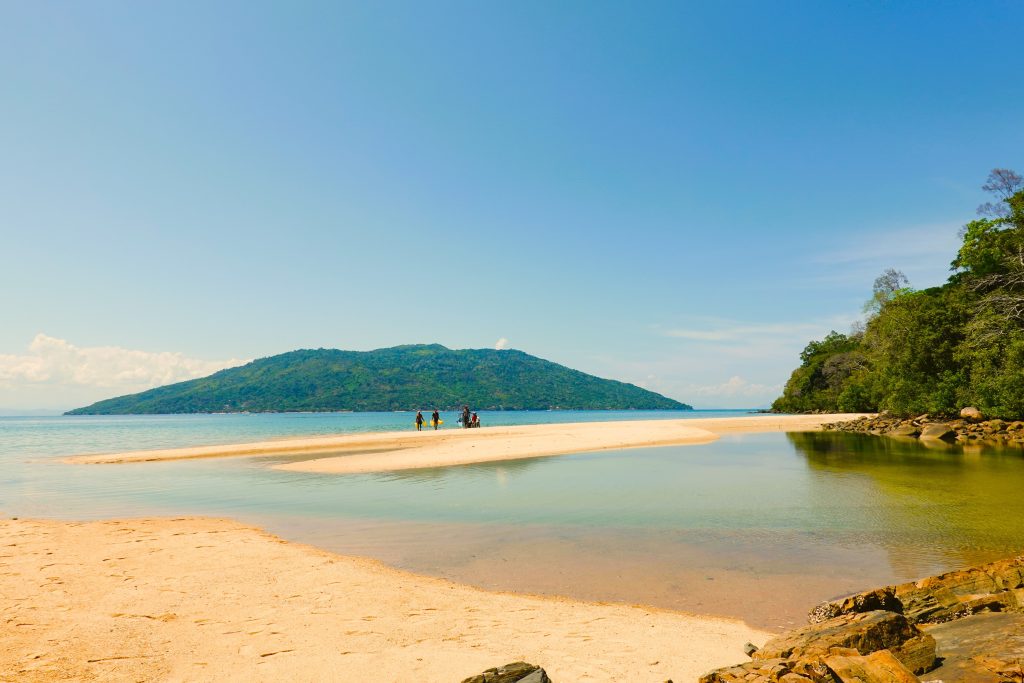
Nosy Iranja is two islets joined by a white sandbar that appears at low tide and vanishes at high, known as Turtle Island for the green and hawksbill turtles that nest on its beaches. Day trips run from Nosy Be and overnight bivouacs are possible. The larger islet holds a fishing village and a hilltop lighthouse, and the whole place is reachable only by boat.
Sandbar Walking Tours Between the Two Islets
The sandbar is why people come. Reports of its length vary between roughly one and two kilometres, and walking it with turquoise water on both sides is the image that sells this excursion across Madagascar.
Timing matters. The sand is exposed at low tide and submerged at high, so the walk between the islets is only possible for part of the day. Operators plan around the tide table, but it is worth confirming when booking, since arriving at high water means seeing the islands separately rather than joined.
Nosy Iranja Be, the western islet, covers around 200 hectares and holds the village. Nosy Iranja Kely to the east is much smaller at roughly 13 hectares, privately held, and thickly vegetated with ferns and endemic plants.

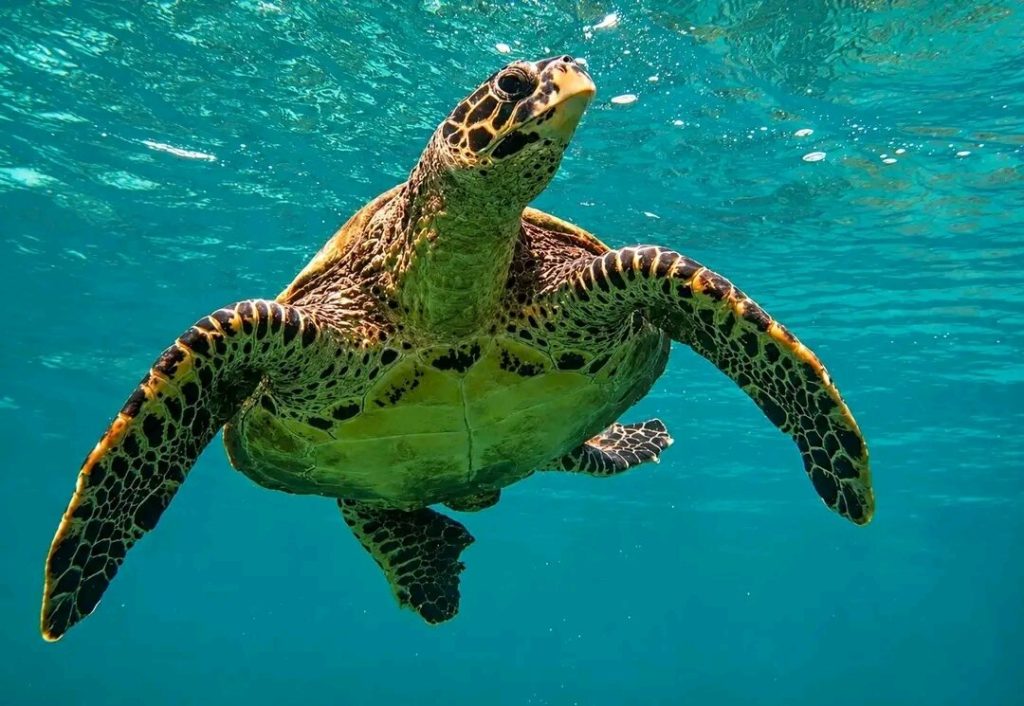
Green and hawksbill turtles return to the beach where they hatched to lay their own eggs, navigating thousands of kilometres to do it. Iranja is one of those beaches.
Turtle Watching Tours and the Nesting Season
Turtle watching tours are the island’s namesake activity. Females haul up the beaches at night to dig nests, and hatchlings emerge weeks later and make for the water.
Sources disagree on the exact window, with nesting variously reported from October to January and from November through April. The honest answer is that it spans the warmer, wetter months and shifts year to year. Anyone travelling mainly for turtles should ask an operator what has been happening recently rather than trusting a published date range.
Seeing a nesting female or a hatchling emergence needs an overnight stay, since both happen after dark or at first light. Bivouac trips are arranged for exactly this and include a night in a simple lodge on the island.
Snorkelling and Diving Trips on the Iranja Reefs
Snorkelling trips work the coral around both islets, with turtles seen in the water year-round rather than only in nesting season. Tropical fish, rays and healthy coral fill out what you see.
Dive sites here mostly work the drop-off, and operators from Nosy Be run them. Manta rays pass through, and the crossing itself frequently turns up dolphins, with humpback, bottlenose and spinner all present in these waters through the year.
Humpback whales move along this coast between July and October, and whale sharks appear later in the year. Both are seen on the crossing rather than at the island itself.
Lighthouse Hiking Tours on Nosy Iranja Be
A short hiking tour climbs the hill on the larger islet to a lighthouse overlooking the sandbar and the surrounding sea. The walk takes under an hour and the loop around the island runs a couple of miles for anyone wanting more.
The lighthouse is commonly attributed to the workshop of Gustave Eiffel and dated to 1909. That attribution circulates widely in tourist material and is worth treating with some caution, since Eiffel’s workshop is credited with a great many structures across the former French colonies. Whatever its provenance, the view from the top is the best on the island.
Village Tours and Life on Turtle Island
Iranja Be has a working fishing village, and the village tour is a genuine part of the day rather than a staged stop. Houses are built from ravinala, the traveller’s palm, and outrigger canoes line the shore.
Villagers sell handicrafts including embroidered tablecloths, pareos and paintings. Banana fritters cooked fresh are a common offering and worth taking.
Fishing remains the main livelihood alongside the excursion trade, and the pirogues drawn up on the sand are working boats rather than scenery. Mornings are when the catch comes in, which day visitors arriving mid-morning usually miss.
This is a small community living on a very small island, so the usual courtesies apply: ask before photographing people, dress reasonably away from the beach, and buy from the makers rather than haggling hard over small sums.
Day trip. Depart Nosy Be in the morning, arrive after a boat crossing, walk the sandbar, snorkel, lunch on the beach, back by late afternoon. What almost everyone does. Misses the turtles.
Overnight bivouac. One night in a simple lodge with dinner on the beach, a sunset drink on the sandbank and the chance of nesting turtles after dark or hatchlings at dawn. The version worth doing in season.
Conservation, Turtle Protection and Visiting Responsibly
Sea turtles are protected in Madagascar and both species nesting here are threatened, the hawksbill critically so. Nesting beaches are the weak point in their life cycle, and Iranja is one of a small number of sites in the northwest where the process still happens reliably.
That puts some obligations on visitors. Lights disturb nesting females and disorient hatchlings heading for the sea, so torches and camera flashes should stay off on the beach at night unless a guide says otherwise. Nests are marked and should not be walked over. Hatchlings make their own way down the sand and should not be picked up or carried, no matter how slow the process looks.
Reef-safe sunscreen matters more here than at most beaches, given the coral immediately offshore and the turtles feeding on it. Taking shells, coral or sand off the island is prohibited.
The village on Iranja Be has an economic stake in turtles remaining, since the excursion trade is a large part of the island’s income. That alignment is the strongest protection the nesting beaches have, and choosing operators who brief their guests properly is a small way of reinforcing it.
Getting to Nosy Iranja from Nosy Be
Boats leave from Ambatoloaka, Crater Bay and other points on Nosy Be. Crossing times vary considerably with the craft, reported anywhere from forty-five minutes in a fast boat to an hour and a half in something slower. Confirm which you are getting when booking.
The crossing is open water and can be rough. Anyone prone to seasickness should take that seriously, and the trip is often cancelled outright during the wet season when swell picks up.
Accommodation on the island is limited to a small lodge and bivouac arrangements. Most visitors stay on Nosy Be and come for the day. Day tours normally include the boat, guiding, a grilled fish lunch on the beach and snorkelling gear.
Book this excursion early in your stay rather than on your last day. Crossings are cancelled for swell more often than operators like to admit, particularly outside the calm months, and having spare days lets you reschedule rather than lose the trip entirely.
Best Time to Visit Nosy Iranja
The calm season and the turtle season pull in opposite directions here, which is the main planning tension.
April to June. Seas settling after the rains, good visibility underwater and reliable crossings. Comfortable temperatures and fewer visitors. A strong general window.
July to October. Dry season with the calmest water and the most dependable boat trips. Humpback whales pass on the crossing between July and October. Busiest period, so book ahead.
October to January. Turtle nesting begins and hatchlings follow. Warmer water and whale sharks appear early in this window. Seas start roughening toward the end, and an overnight stay is needed to see turtles at all.
February and March. Wet season with cyclone exposure. Swell frequently cancels the crossing. Hatchlings may still be emerging, but reaching the island becomes unreliable.
Nesting and hatching are unpredictable night to night, which is worth knowing before booking a bivouac around them. Turtles come ashore when they come, and a night on the island may produce nothing. Travellers who treat the stay as worthwhile for the empty beaches and the sunset on the sandbank, with turtles as a possible bonus, are rarely disappointed.

Frequently Asked Questions
How much does a Nosy Iranja day trip cost?
Day excursions from Nosy Be are priced per person and typically cover the boat crossing, guiding, a grilled fish lunch on the beach and snorkelling equipment. An island entrance fee applies. Overnight bivouac packages cost considerably more and include accommodation and meals. Payment is in Ariary or euros depending on the operator, and drinks beyond what is included are extra. Confirm what your price covers before departing.
Will I see turtles?
In the water, very likely, since turtles feed around the reefs year-round and are commonly seen while snorkelling. Nesting females and hatchlings are a different matter, requiring the right season and an overnight stay, since both happen after dark or at dawn. Day visitors rarely see either.
How long is the boat crossing?
Between forty-five minutes and an hour and a half depending on the boat. Fast craft from Ambatoloaka or Crater Bay do it quickest. The water is open ocean and can be choppy, so take precautions if you are prone to seasickness. Crossings are cancelled in poor conditions.
Can I walk the sandbar at any time?
No. The sand is exposed at low tide and covered at high, so the walk between the two islets depends on when you arrive. Operators plan around tides, but confirm this when booking if walking the sandbar is your main reason for going.
Is it better than Nosy Tanikely?
They offer different things. Tanikely is closer, cheaper and has the better snorkelling on protected reef straight off the beach. Iranja is further, more expensive and delivers the sandbar, the village and the turtle nesting. Many visitors do both on separate days, and combining Tanikely with Nosy Komba is the standard cheaper option.
Can I stay overnight?
Yes. A small lodge operates on the island and bivouac packages include a night’s stay, dinner on the beach and a sunset drink on the sandbank. This is the only way to see turtles nesting or hatching, and it also gives you the island without day-trip boats.
What should I bring?
Swimsuit, sun protection, a hat and a dry bag for anything electronic, since the crossing gets wet. Cash for handicrafts and extra drinks. Reef-safe sunscreen matters here given the coral and the turtles. Shoes for the lighthouse walk if you plan to do it.
Planning Your Visit
Nosy Iranja is the most photographed excursion in northern Madagascar and the one most likely to be cancelled by weather. Book it early in your stay, check the tide timing if the sandbar matters to you, and stay overnight if you want the turtles rather than just the beach.
Booking Your Madagascar Trip
The safari companies and tour operators listed on this website put trips like this together for a living and know which camps, guides and routes actually deliver. We are an independent guide to Madagascar; we do not book or sell tours ourselves.
When you are ready, arrange your safari, tour or holiday with one of the recognised operators listed here. Tell them your dates and what matters most, and a real person, not a form, will handle the itinerary, park bookings and logistics for you.