Cultural Experiences in Madagascar

The cultural side of Madagascar gets less attention than the wildlife and is easier to reach. Markets, village visits, vanilla and spice farms, craft workshops and the vast zebu market at Ambalavao all sit alongside the standard circuits, and several take an hour rather than a day. Eighteen ethnic groups occupy the island, and the differences between them are visible in everything from tombs to food.
Market Tours Across Madagascar
Markets are the strongest cultural experience available and the cheapest, since walking through one costs nothing.
Analakely in Antananarivo is the best, dense with pyramids of pink rice, dried fish, spice stalls releasing vanilla and clove into the street, and the working trade of a city rather than anything arranged for visitors. Carry money in two pockets and keep small notes accessible, since pickpocketing is real around midday.
The Ambalavao zebu market on Wednesdays and Thursdays is the largest cattle market in Madagascar, with herders bringing animals on foot from the deep south along routes their families have used for generations. Dusty, loud and entirely unstaged.
Bazary Be in Toamasina is thick with vanilla and cloves from the east coast plantations, at prices well below what the same produce costs at the airport. Morondava has its own Bazary Be for lambaony fabrics.
The covered markets at Diego Suarez and Mahajanga reflect Comorian, Arab and Indian influence in what they sell. Antsirabe’s craft market has the best prices in the country for souvenirs.
The zebu market at Ambalavao runs on Wednesdays and Thursdays, with cattle walked up from the deep south on foot. It is the largest in Madagascar and nothing about it is staged.
Vanilla, Spice and Plantation Tours
Madagascar produces a large share of the world’s vanilla, grown mainly in the SAVA region of the northeast around Sambava and Antalaha. It is a cash crop for export rather than a domestic staple, which is why it appears in Malagasy cooking less than visitors expect.
Ylang-ylang covers the hillsides of Nosy Be, its flowers distilled into oil for perfume and giving the island its name as the perfumed island. Plantation tours cover the trees, the distillation and the wider spice picture, since vanilla, coffee, pepper and cocoa all grow there.
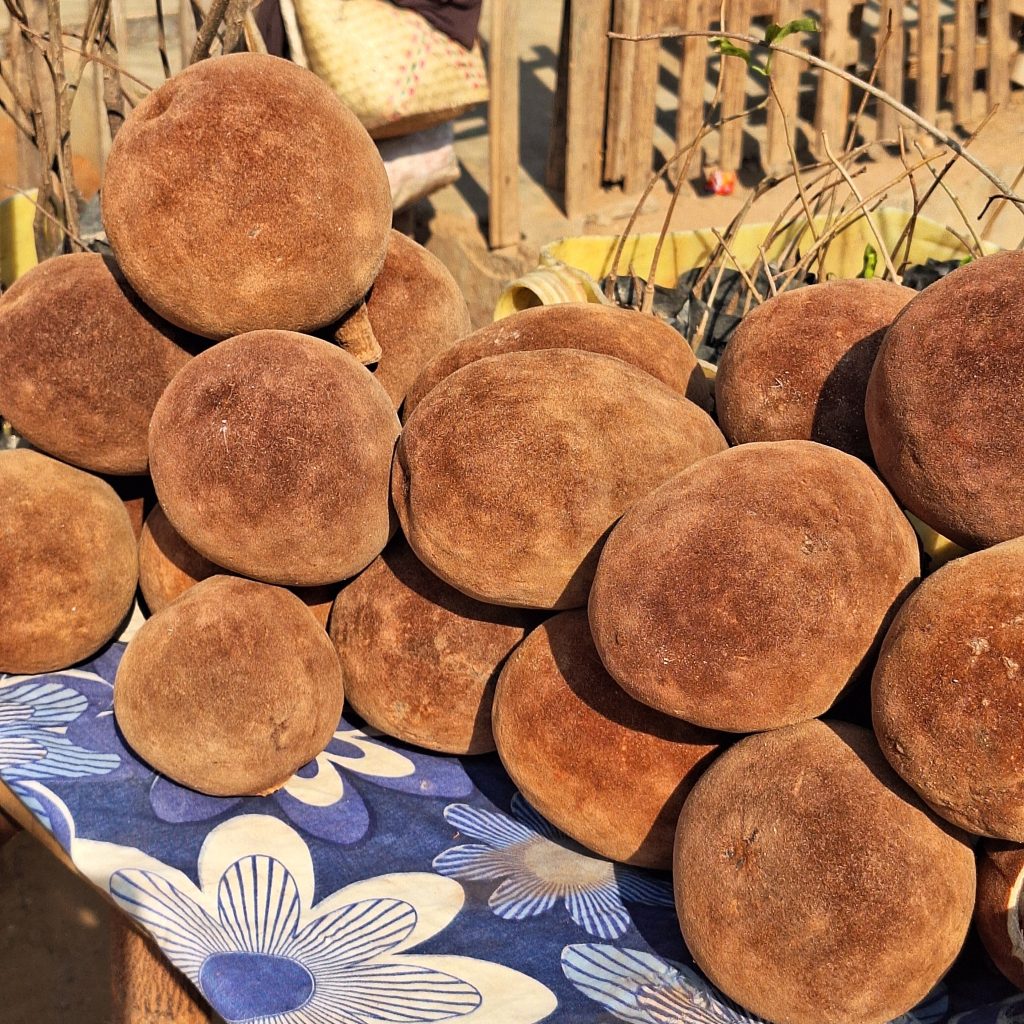
The east coast around Toamasina produces cloves, lychees and coffee, with lychee season flooding the markets in December. Sahambavy near Fianarantsoa is Madagascar’s only commercial tea estate, nearly 400 hectares wrapped around a lake, with tours of the plucking lines and factory finishing in a tasting.
The hills around Fianarantsoa also produce Madagascar’s small wine industry, an inheritance from French colonial agriculture. Set expectations accordingly: it is sweeter and more rustic than European bottles, and the local grey wine is the curiosity most visitors remember.
Craft Workshops and What to Buy
Several crafts are worth seeking out at source rather than buying in a shop, since the making is more interesting than the object.
The Antemoro paper workshop at Ambalavao makes paper by a method brought from the Arab world centuries ago, pounding bark from the avoha shrub into pulp and pressing dried flowers into the surface. Twenty minutes to watch and the most distinctive souvenir available in Madagascar.
Antsirabe is the handicraft centre of the highlands, with artisans working zebu horn into cutlery and jewellery, cutting semi-precious stones, and building miniature bicycles and vehicles from recycled tin cans. Prices are lower than Antananarivo and far lower than coastal markets.
Nosy Komba’s craft market is the best in the Nosy Be area for woodcarving, with carvers working ebony and hardwoods in open workshops along the path to the lemur reserve.
Ambositra on the RN7 is the centre of Zafimaniry woodcarving, a tradition recognised by UNESCO, with geometric patterns cut into furniture and panels.
Costs nothing, takes an hour. Analakely market in Antananarivo, Bazary Be in Toamasina, the covered markets at Diego Suarez and Mahajanga. Walk through, buy spices, ask before photographing people.
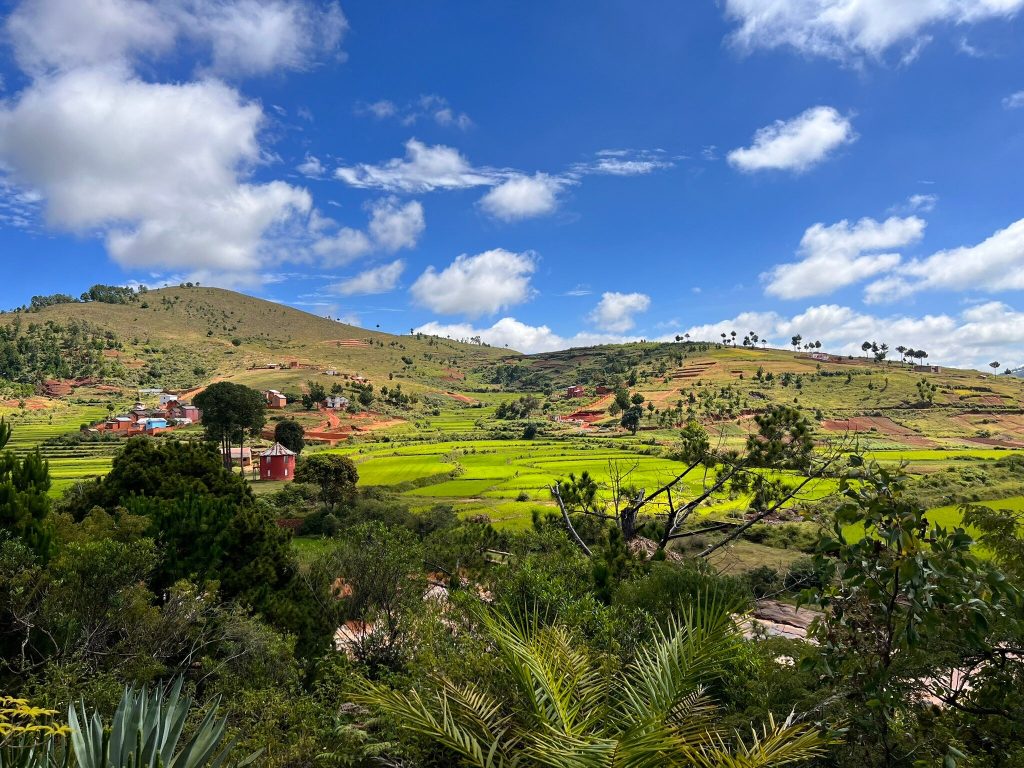
Worth timing for. The Ambalavao zebu market on Wednesdays and Thursdays, lychee season on the east coast in December, and famadihana ceremonies in the highlands between June and September if you happen to be invited.
Half day or more. Sahambavy tea estate near Fianarantsoa, ylang-ylang plantations on Nosy Be, village visits arranged through community reserves, cooking classes in the main towns.
Village Visits and Community Tourism
Village visits arranged through community-run reserves are the most direct way to put money into local economies, and several are genuinely worthwhile rather than performative.
Anja Community Reserve near Ambalavao is village-owned and run, created by Betsileo families in 2001 when deforestation was destroying both forest and lemurs. Guides are drawn from the community and revenue funds local projects directly.
VOIMMA and Mitsinjo at Andasibe operate on the same model, with the night walks that the national park cannot offer. Honko near Toliara runs mangrove boardwalk tours, and the Mandrare valley camps near Fort Dauphin work with Antandroy communities.
On the islands, Nosy Komba and Île aux Nattes have no resort compounds, so the path to your room runs past houses and the football pitch. That proximity is either the appeal or the drawback depending on what you came for.
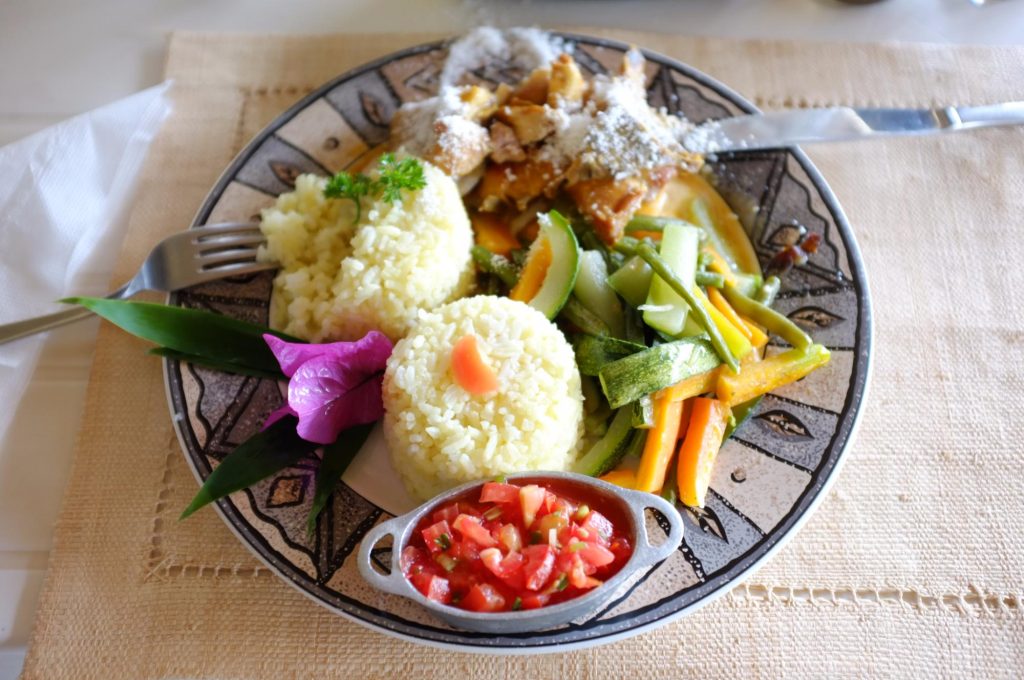
Cooking classes are widely offered, often including a market visit to choose ingredients, and learning to make romazava or mofo gasy is a straightforward way to spend an afternoon.
Tombs, Ancestors and Sacred Sites
The relationship with ancestors is the organising principle of Malagasy spiritual life, and the tombs are visible everywhere.
Mahafaly tombs in the south carry carved wooden posts called aloalo topped with zebu horns marking animals sacrificed at the funeral. The arts museum in Toliara traces this and is the best introduction available.

Sakalava royal tombs near Morondava carry funerary sculpture, much of it frankly erotic, asserting continuity between the dead and the living. Visiting needs a local guide and permission, and some sites are closed to outsiders.
Bara cliff tombs are set into caves and ledges throughout Isalo, with etiquette attached: pointing with an extended finger is forbidden and the custom is to curl the index finger instead.
Vazimba burial sites sit high in the cliffs of the Manambolo gorge at Tsingy de Bemaraha, and Betsileo tombs appear on the short circuit at Anja.
Famadihana, the turning of the bones, takes place in the highlands between roughly June and September. Visitors are occasionally invited and should never expect or request attendance.
Sacred sites carry restrictions under fady that vary from place to place and are not written down. Some prohibit photography, some prohibit entry, and a few require specific conduct. Guides brief visitors before setting out and the rules are simple once known. Asking before photographing people is expected everywhere, and a refusal should end the matter.
Music, Dance and Festivals
Malagasy music draws on the same Austronesian, African and Arab layers as the language, and the instruments reflect it. The valiha, a tube zither made from bamboo, is the national instrument and its closest relatives are in Southeast Asia.
Traditional dance and music performances are arranged through lodges and community associations, particularly at Nosy Komba and around Andasibe. These are usually genuine community activities rather than staged shows, though quality varies.
Sakalava wrestling is worth asking about around Morondava if a bout is on, a traditional contest with real local following.
Donia on Nosy Be is the best-known music festival, held around May and drawing performers from across the Indian Ocean. Regional festivals tie to harvests and religious calendars, and asking locally is more reliable than any published schedule.
Independence Day on 26 June is celebrated across the country with parades, music and food, and is a genuinely good time to be in a Malagasy town.
The Peoples of Madagascar
Eighteen ethnic groups are officially recognised, and the distinctions are geographic and occupational as much as ancestral.
The Merina occupy the highlands around Antananarivo and built the kingdom that unified much of Madagascar before French colonisation. The Betsileo around Fianarantsoa are known for terraced rice cultivation and famadihana.
The Sakalava hold much of the west and northwest, the Vezo of the southwest coast are fishing people whose identity is defined by what they do rather than descent, and the Antandroy, people of the thorns, herd zebu across the arid deep south.
The Antankarana, those of the rocks, take their name from the limestone country at Ankarana. The Mikea of the southwest forest are among the last groups practising a hunter-gatherer way of life.
Coastal communities carry Comorian, Arab and Indian influence from centuries of Indian Ocean trade, visible in the food and architecture at Mahajanga and Diego Suarez.
Frequently Asked Questions
What is the best cultural experience in Madagascar?
The Ambalavao zebu market on Wednesdays and Thursdays, the largest cattle market in the country with herders walking animals up from the deep south. Analakely market in Antananarivo is the best urban one. The Antemoro paper workshop at Ambalavao takes twenty minutes and produces the most distinctive souvenir available.
Can I visit a vanilla plantation?
Yes, mainly in the SAVA region of the northeast around Sambava and Antalaha where most of Madagascar’s vanilla grows. Nosy Be offers ylang-ylang plantation tours covering distillation, alongside vanilla, coffee, pepper and cocoa. Sahambavy near Fianarantsoa is the country’s only commercial tea estate.
Where should I buy handicrafts?
Antsirabe for zebu horn, semi-precious stones and the miniature vehicles made from recycled tin, at the lowest prices in Madagascar. Ambalavao for Antemoro paper. Nosy Komba for woodcarving direct from the carvers. Ambositra for Zafimaniry work. Buying at source rather than through shops keeps more with the maker.
Can I attend a famadihana?
Only if invited, and it should never be requested. The turning of the bones is a family occasion with real emotional weight, held in the highlands between roughly June and September. Arriving as a spectator is inappropriate. Guides will explain the practice, which is the right way to learn about it.
How much do cultural activities cost?
Markets are free to walk through. The Antemoro paper workshop and craft visits are free or a token amount, with the expectation you might buy. Sahambavy tea estate charges a modest tour fee. Village visits arranged through community reserves carry a fee that goes to the association. Cooking classes vary by operator.
Is it appropriate to photograph people?
Ask first, always, and accept a refusal without pressing. At markets a wide shot of the scene is usually acceptable where an individual portrait is not without permission. Sacred sites carry their own restrictions, with some prohibiting photography entirely, and guides will explain which apply.
What should I know about fady?
It is the system of ancestral taboos governing conduct, varying by village and family, attaching to particular trees, springs, animals, days or directions. None of it is written down, which is why guides brief visitors before setting out. The rules are simple once known and ignoring them causes real offence.
Are cultural shows authentic?
Quality varies. Music and dance arranged through community associations at Nosy Komba and around Andasibe tend to be genuine community activities rather than staged productions. Markets, tombs and working plantations are entirely unstaged. Sakalava wrestling around Morondava has real local following. Ask your guide which is which.
Planning Your Trip
Madagascar’s cultural experiences slot around the wildlife circuits rather than competing with them. A market morning in Antananarivo, an hour at the Ambalavao paper workshop, a tea estate visit near Fianarantsoa: none costs more than a half day and all of them make the country legible in a way the parks alone do not.
Booking Your Madagascar Trip
The safari companies and tour operators listed on this website put trips like this together for a living and know which camps, guides and routes actually deliver. We are an independent guide to Madagascar; we do not book or sell tours ourselves.
When you are ready, arrange your safari, tour or holiday with one of the recognised operators listed here. Tell them your dates and what matters most, and a real person, not a form, will handle the itinerary, park bookings and logistics for you.