Family Travel in Madagascar
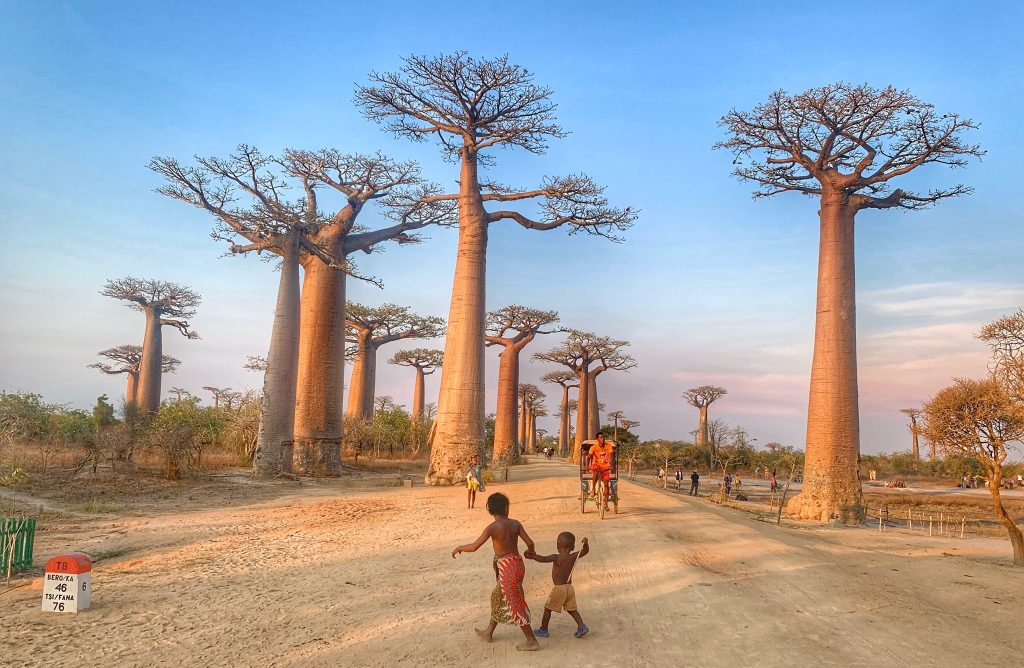
Madagascar works well with children for one reason above all: nothing here is dangerous. No large predators, no venomous snakes, and lemurs that come close enough to photograph without a long lens. The difficulties are long drives, basic facilities and limited medical care, which means the right itinerary matters more than for adult-only trips.
Why Madagascar Suits Families
The absence of danger is the starting point. Madagascar has no lions, elephants, hippos or crocodiles that threaten walkers, and none of its roughly eighty snake species can seriously hurt a person. Children can walk trails without the vigilance a mainland African park demands.
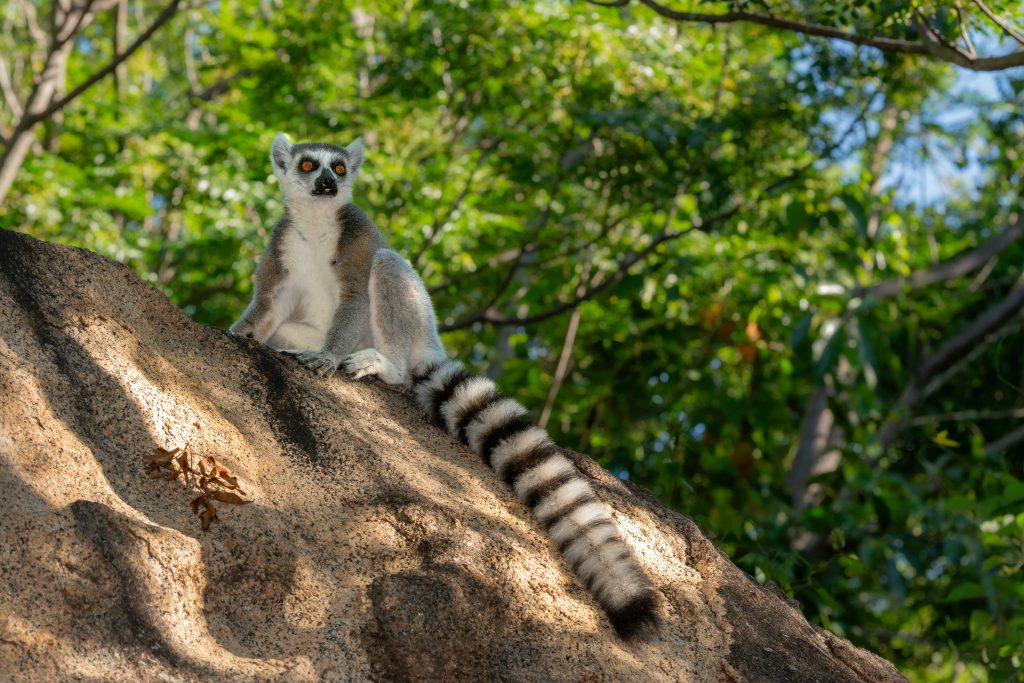
The wildlife is also close and visible in a way big game rarely is. Ring-tailed lemurs at Anja sun themselves on boulders a few metres away. At Berenty they sit on bungalow verandas. Chameleons on night walks are at eye level. There is no waiting in a vehicle for something to appear on the horizon.
Walking rather than driving suits children who find long game drives tedious. Circuits at Anja take ninety minutes, and the Andasibe short loops are flat and manageable for most ages.
No predators, no dangerous snakes, and animals that come to within a few metres. For families, Madagascar removes the anxiety that shapes a mainland African safari.
Best Parks for Children
Andasibe-Mantadia is the strongest first stop. Three to four hours from the capital on sealed road, with the Palmier circuit at one to two hours suiting younger walkers and indri sightings close to certain. Night walks are usually a hit, though they run late on uneven ground.
Anja Community Reserve takes ninety minutes on level ground and delivers the densest ring-tailed lemur population in Madagascar. It sits directly on the RN7, costs almost no time, and the animals are unbothered by people.
Ankarafantsika has flat trails, open forest and eight lemur species realistically visible in a short stay, with Coquerel’s sifaka relaxed around visitors. It sits on a sealed road between Antananarivo and Mahajanga.
Nahampoana near Fort Dauphin is a former botanical station with lemurs, chameleons and tortoises in landscaped gardens, which works as a gentle half day for younger children.
Ranomafana, Marojejy and Masoala are the ones to avoid with small children. Steep, muddy and demanding, with long walks that tire adults.
Beaches and Where Families Rest
Building beach time into the middle or end of a trip matters more with children than without, because the driving is genuinely tiring.
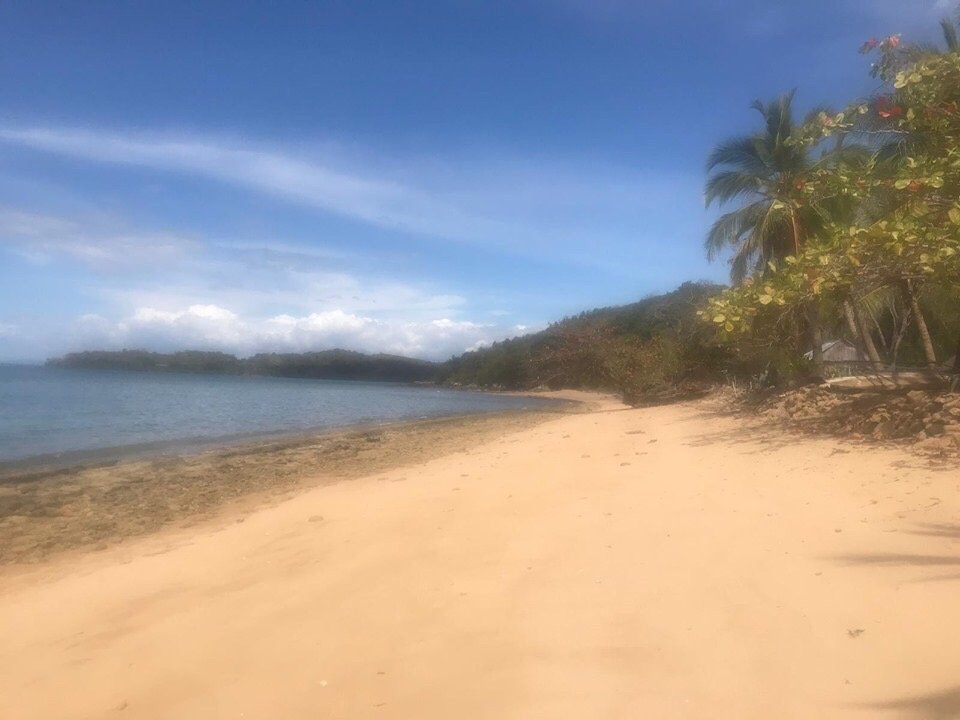
Nosy Be has the most family infrastructure: resorts with pools and gardens at Andilana and the west coast beaches, plus day trips to Nosy Tanikely for snorkelling straight off the beach with reliable turtles.
Île Sainte-Marie is quieter and cheaper, with calm shallow lagoon beaches on the west coast and short distances everywhere. Île aux Nattes has no cars at all, which most children find novel.
Ifaty and Mangily north of Toliara work as an RN7 finish, with a reef 200 metres offshore. Foulpointe on the east coast is the safe swimming option there, since Toamasina’s city beaches are not.
Easiest family itinerary. Andasibe for two or three nights, then fly to Nosy Be or Sainte-Marie for four or five. Wildlife and beach, no long drives, one flight. Works for most ages.
The northern circuit. Diego Suarez base, with Amber Mountain, the Emerald Sea and Ankarana. Shortest driving distances in Madagascar with the widest variety. Better for older children.
Avoid with young children. The full RN7 with six to eight hour driving days, the western route to Tsingy de Bemaraha, and the northeast rainforest treks at Marojejy and Masoala.
Driving Distances and Managing Long Days
The single biggest constraint on family travel here is road time. The RN7 runs 950 km with six to eight hour stretches between the southern parks, and the western route to Tsingy takes six to ten hours each way over rough track.
Domestic flights are the answer where budget allows. A flight to Nosy Be, Sainte-Marie or Morondava saves a day or more of driving each way and is worth considerably more on a family trip than an adult one.
Where driving is unavoidable, break it. Antsirabe makes a good midpoint on the RN7 with a pousse-pousse tour and the crater lakes. Stops at Ambositra for woodcarving or Ambalavao for the paper workshop give children something to do.
Bring snacks and water for every drive. Roadside stops are limited outside the towns, and the drives take longer than any estimate suggests.
Health, Safety and Practical Preparation
Malaria covers the whole country except Antananarivo, and antimalarial dosing for children is based on body weight with some drugs unsuitable. Doxycycline is not given under twelve. A travel clinic appointment is necessary rather than advisable for a family trip, four to eight weeks before departure.
Medical facilities outside the capital are limited and at remote parks there are none at all. Evacuation cover is worth buying, and the itinerary should account for how far you would be from help.
Drink bottled or treated water throughout, including for teeth. Food cooked and served hot is reliably fine. Rehydration salts formulated for children are the most useful thing in a medical kit.
Insect repellent appropriate to their age, applied in the evenings when malaria mosquitoes feed, plus long light clothing after dark. Bed nets are provided at most lodges and worth checking for holes.
Pack warm layers even if the trip includes beaches. Antsirabe sits at 1,500 metres with nights close to freezing from June to August, and hotels rarely have heating. Children feel highland cold sooner than adults. A fleece and hat each takes almost no space and prevents a miserable night.
Accommodation with Children
Family rooms and triples exist at mid-range properties but are not universal, and the small lodges at remote parks often have only doubles. Asking before booking saves rearranging on arrival.
Beach destinations have more suitable options than the park circuits, with pools, gardens and shallow water at Nosy Be, Sainte-Marie and Ifaty. Park lodges are simpler, often with generator power for limited hours and no heating.
At Andasibe, Feon’ny Ala has bungalows close to the forest with lemurs in the garden, and Vakona Forest Lodge is larger with its own private reserve. Both work with children better than the more remote park accommodation.
Camping inside parks suits older children and teenagers, particularly at Isalo where the sites have running water and sanitary facilities.
Activities Beyond Wildlife
Not everything needs to be a forest walk. The pousse-pousse rickshaws at Antsirabe are a hit with most children, as are the workshops making miniature vehicles from recycled tin cans.
The Antemoro paper workshop at Ambalavao takes twenty minutes and lets children watch bark pounded into pulp and flowers pressed into the sheets. The zebu market on Wednesdays and Thursdays is loud and entirely unstaged.
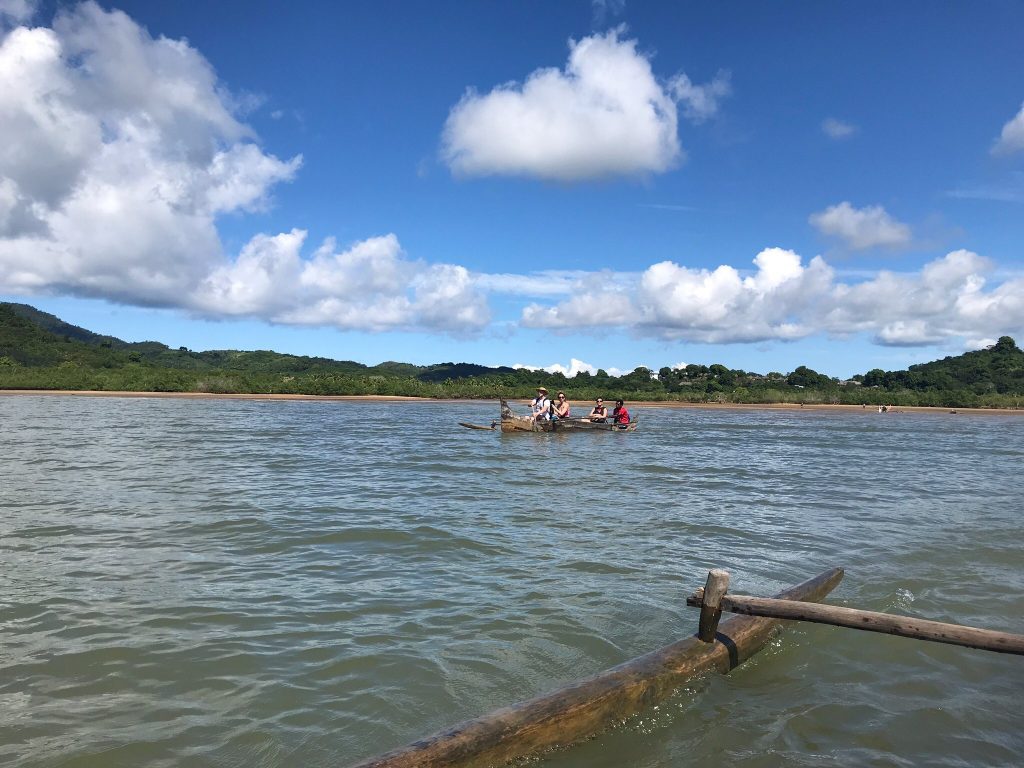
Boat trips are usually popular: the pirogue crossing to Lokobe on Nosy Be, the Emerald Sea sailing trip from Ramena, the canal trips on the Pangalanes. Snorkelling at Nosy Tanikely works for any child who can swim.
Lemurs’ Park near Antananarivo holds several species in a botanical garden and works for families with only a night in the capital.
What Children Actually Remember
Ask families afterwards and the answers are rarely the ones parents planned for.
Night walks come up constantly. Chameleons asleep at eye level, mouse lemurs blinking back from a torch beam, and frogs loud enough to make conversation difficult are more memorable to most children than a distant indri in the canopy.
The ring-tailed lemurs at Anja and Berenty are the other reliable hit, because they are close, active and unbothered. Children who found a rainforest walk hard work light up when a troop crosses a rock face a few metres away.
Boats do well too. The pirogue to Lokobe, the sailing trip to the Emerald Sea and the snorkelling at Nosy Tanikely all involve doing something rather than looking for something, which suits shorter attention spans.
What tends not to land is the driving, the early starts and the parks where the wildlife stays high and hidden. Planning around that rather than against it makes the difference.
Frequently Asked Questions
Is Madagascar safe for children?
The wildlife poses no threat, with no large predators and no dangerous snakes, which makes walking safer than in mainland African parks. The real considerations are malaria, limited medical facilities outside the capital, and long tiring drives. Petty theft in Antananarivo requires the usual city precautions. Evacuation insurance is worth having.
What age is best for a Madagascar trip?
Children old enough to manage ninety minutes to two hours of walking on uneven ground get the most from it, which in practice means around six upward. Younger children can do Anja, Nahampoana and the short Andasibe circuits, and beach time carries the rest. Teenagers handle the full range including camping and longer treks.
Which parks work best with children?
Andasibe for indri on flat short circuits, Anja for ninety minutes of guaranteed ring-tailed lemurs, Ankarafantsika for eight species on easy trails, and Nahampoana near Fort Dauphin as a gentle half day. Avoid Ranomafana, Marojejy and Masoala with small children, since all three are steep, muddy and demanding.
How do I handle the long drives?
Fly where budget allows, since a domestic flight saves a day or more each way. Break unavoidable drives at Antsirabe or Ambalavao. Bring snacks and water for every drive, since roadside stops are limited outside towns. Build a beach stay into the middle or end of the trip as a genuine rest rather than an afterthought.
What about malaria?
It is present across the whole country except Antananarivo. Antimalarial dosing for children is based on body weight and some drugs are unsuitable, with doxycycline not given under twelve. Book a travel clinic appointment four to eight weeks before departure. Repellent in the evenings and long light clothing after dark reduce exposure considerably.
Are there family rooms?
At mid-range properties and beach hotels, usually. At the small lodges near remote parks, often not, since many have only doubles. Ask before booking. Beach destinations at Nosy Be, Sainte-Marie and Ifaty have the most suitable options, with pools, gardens and shallow water.
Can children do night walks?
Yes, and most enjoy them, since chameleons at eye level and mouse lemurs in a torch beam are memorable. The caveats are that walks run late and the ground is uneven in the dark. Bring a headlamp each rather than sharing. Two hours is typical.
How long should a family trip be?
Ten days to two weeks. A week works if it is Andasibe plus a beach with one flight between them. Longer trips need beach time built in as rest, since the driving is the part that wears families down rather than the walking.
Planning Your Trip
Family travel in Madagascar succeeds or fails on the itinerary rather than the destination. A route with short drives, easy parks and a beach in the middle works well for most ages. The same days spent on the full RN7 with six-hour driving stretches will not.
Booking Your Madagascar Trip
The safari companies and tour operators listed on this website put trips like this together for a living and know which camps, guides and routes actually deliver. We are an independent guide to Madagascar; we do not book or sell tours ourselves.
When you are ready, arrange your safari, tour or holiday with one of the recognised operators listed here. Tell them your dates and what matters most, and a real person, not a form, will handle the itinerary, park bookings and logistics for you.