Île aux Nattes (Nosy Nato)
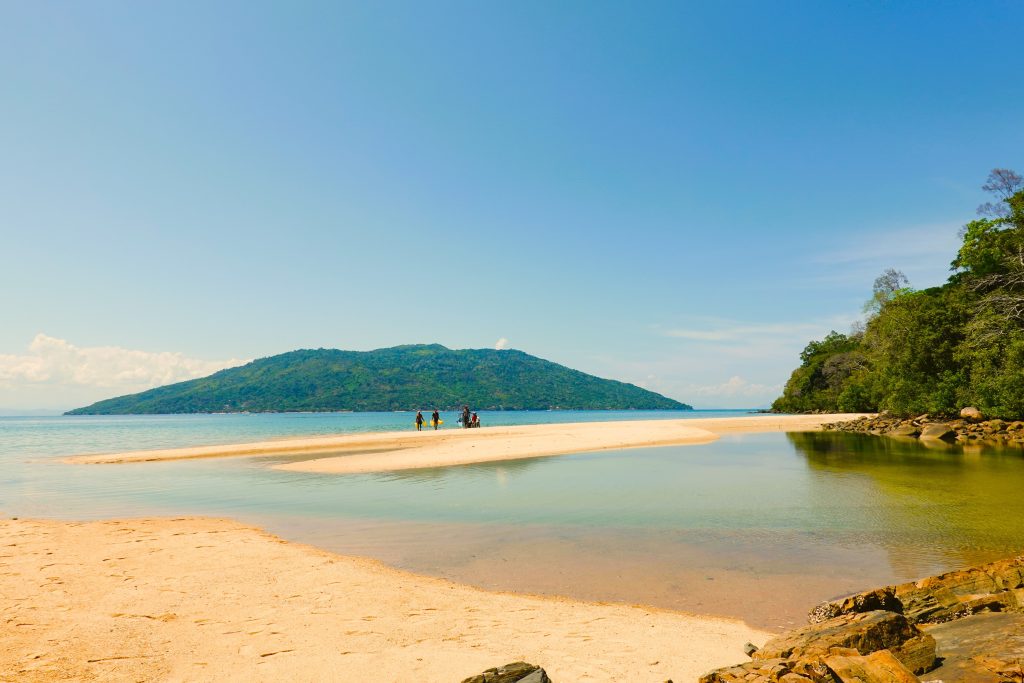
Île aux Nattes, known in Malagasy as Nosy Nato, is a car-free island of around three square kilometres off the southern tip of Île Sainte-Marie, widely rated as holding the finest beaches in Madagascar. Access is by dugout pirogue across a narrow channel, and everything on the island moves on foot or by boat. Roughly 1,500 people live here.
Beach Walking Tours and the Coves of Nosy Nato
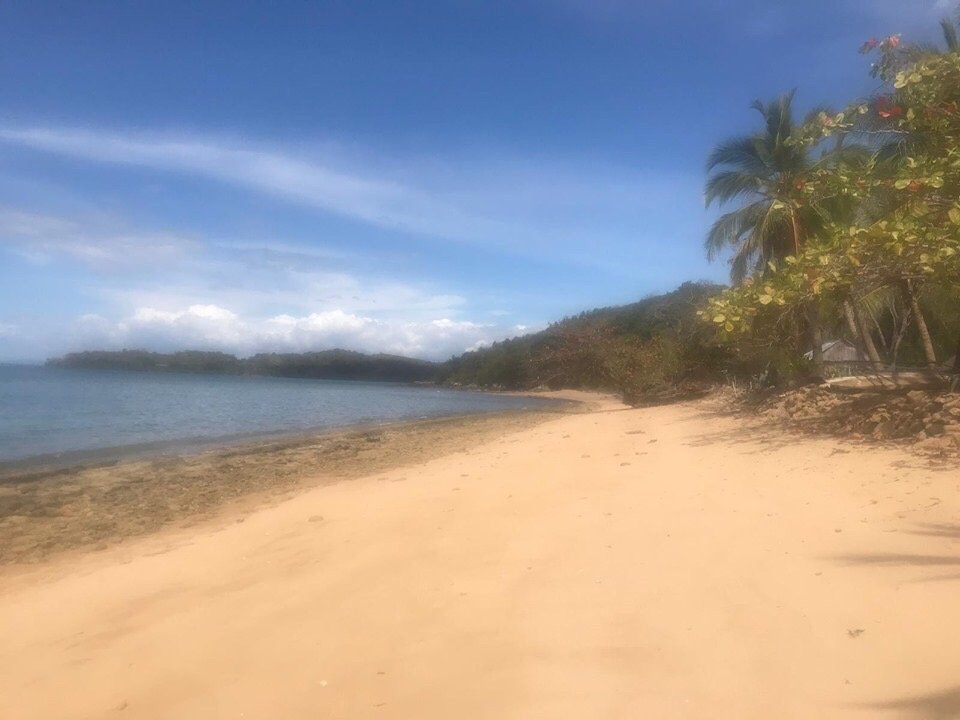
The beaches are the entire proposition, and they justify the reputation. White sand curves between coconut palms leaning over a turquoise lagoon, with waves breaking on the reef offshore and shallow water inside it that is safe for swimming.
Paradise Cove and Kintana Cove are the two most often named, both calm and shallow and both usually empty. The best stretches are on the northern side of the island. Walking the whole shoreline takes two to three hours, which is the standard way to spend a first morning.
Because so few people are here, you will frequently have entire beaches to yourself. Many lodges will pack a picnic, which turns beach-hopping into a proper day out.
No cars, no roads, no ATMs. Sandy paths, pirogues and about fifteen hundred people on three square kilometres of coral island.
Pirogue Trips and Getting Around the Island
Pirogue trips are the only way onto Nosy Nato and remain the main way around its coast. The crossing from the southern tip of Sainte-Marie takes about ten minutes in a dugout canoe and costs very little.
On the island, movement is on foot along sandy paths through the interior and between villages. Guided pirogue tours run around the coast and into the mangroves, where local guides explain the ecosystem and the marine life it supports.
Agniribe is the main village inland, and a walk through it gives a sense of how the community lives. The island has its own president, which locals mention with some pride.
Snorkelling and Diving Trips on the Reef
The reef sheltering the lagoon makes for easy snorkelling straight off the beach, with tropical fish visible in shallow clear water without needing a boat.
There is no dive operation on Nosy Nato itself, but every guesthouse can arrange for one of the Sainte-Marie centres to collect you in the morning. The wreck diving around the larger island is the local speciality given three centuries of shipping here.
Whale watching runs from the island during the season, with humpbacks passing through the channel between Sainte-Marie and the mainland. Boats depart from Sainte-Marie and pick up from Nosy Nato.
Lighthouse and White House Hiking Tours
Two short hikes give views over the island. The Phare Pointe Blévec, a small lighthouse at the highest point on the southeastern side, looks out across the southern part of the island and the channel.
The building known locally as the White House sits on high ground with a rooftop terrace and a 360-degree view. Entry costs a small fee or the price of a drink, and it is the standard spot for a beer at the end of an afternoon.
Neither walk is demanding, and both can be worked into a circuit of the island on foot.
Bring cash. There are no ATMs on Nosy Nato and many guesthouses and restaurants do not take cards. Draw local currency before leaving Sainte-Marie or, better, before leaving the mainland, since the island’s banking is limited too. Prices are low but you will need notes for everything.

Village Life and Island Culture
Nosy Nato is a working community rather than a resort island. Fishing and coconut cultivation are the livelihoods, and the pirogues drawn up on the sand belong to people who use them.
The absence of vehicles shapes everything. Goods arrive by boat and move on foot, which keeps the pace slow and the noise level close to zero. Visitors consistently rate this as the thing that distinguishes the island from Nosy Be.
Accommodation is small-scale, mostly beachfront guesthouses and a handful of lodges built from local materials. Restaurants are simple and seafood-based. Nobody comes here for nightlife.
What visitors notice is how little separates them from the community. There is no resort compound to stay inside, so the path to your room runs past houses, the football pitch and the boats. Children walk to school along the same sand you walk to breakfast on. That proximity is either the appeal or the drawback depending on what you came for, and most people find it the former.
The usual courtesies apply. Ask before photographing people, dress reasonably away from the beach, and buy from the small shops and stalls rather than bringing everything with you from Sainte-Marie. Money spent here stays on an island with very few other sources of income.
Day trip from Sainte-Marie. Taxi or tuk-tuk to the southern tip, pirogue across, a few hours on the beaches and lunch. What most Sainte-Marie visitors do, and it undersells the place.
Two or three nights. Stay in a beachfront guesthouse, walk the island, snorkel the lagoon and do nothing in particular. This is what Nosy Nato is actually for.

Whale Watching Trips from Nosy Nato
Whale watching is the one activity that puts a hard date on a visit here. Humpbacks move up from Antarctic waters between roughly July and September to breed and calve in the sheltered channel between Sainte-Marie and the mainland, and the numbers passing through make sightings near certain in season.
Boats operate out of Sainte-Marie and collect guests from Nosy Nato, so staying on the smaller island costs you nothing in access. Whales are frequently visible from the water on the pirogue crossing itself, and sometimes from the beaches.
Observation guidelines govern how boats behave around the animals, covering distance and how many craft may be on a sighting at once. Compliance varies between operators. Ask how they handle it before booking, since it affects both the animals and what you actually see.
Outside those months there are no whales at all, which is worth knowing before booking a trip around them. The rest of the year the island is quieter, cheaper and just as good for everything else.
Getting to Île aux Nattes
Reaching Nosy Nato means first reaching Île Sainte-Marie, either by air from Antananarivo or by ferry from Soanierana Ivongo on the mainland. Flying is more reliable, since the ferry crossing is often rough and sometimes cancelled.
From Sainte-Marie’s airport or main town, travel south to the tip of the island by taxi, tuk-tuk or quad, roughly 12 km and half an hour. Pirogues wait at the crossing point and take about ten minutes.
Guesthouses on Nosy Nato will usually arrange the transfer if you tell them your arrival time. Luggage goes in the canoe with you, so pack light and keep anything electronic in a dry bag.

Best Time to Visit Île aux Nattes
The island shares Sainte-Marie’s climate, wet by Malagasy standards with a clear cyclone season to avoid.
April to June. Rains easing, seas settling and very few visitors. Excellent beach conditions without the whale-season crowds or prices. A strong shoulder window.
July to September. Whale season, when humpbacks fill the channel and boats run daily. Cooler and drier. Busiest period, so book guesthouses well ahead.
October and November. Warm, calm and clear, with the best snorkelling visibility. The whales have gone and so have most visitors. Probably the quietest good window worth having.
December to March. Heavy rain, humidity and cyclone exposure on this coast. Ferry crossings become unreliable and some places close. Not the time to plan an island stay.
The island’s small scale is what makes it work. Everything is within walking distance, the guesthouses know each other, and a few days is long enough to recognise faces without being long enough to run out of things to do. Travellers who arrive intending two nights routinely extend, which is worth factoring into a schedule that has to connect with a flight.
Frequently Asked Questions
How much does it cost to visit Île aux Nattes?
The pirogue crossing costs very little, a few thousand Ariary. Accommodation is inexpensive by island standards, mostly small guesthouses charging well below what Nosy Be commands. The White House viewpoint charges around 3,000 Ariary or the price of a drink. Bring cash in Ariary, since there are no ATMs and cards are rarely accepted.
Should I day-trip or stay overnight?
Stay. A day trip gives you a few hours on one or two beaches and misses the point entirely. Two or three nights lets you walk the island, find the quieter coves, snorkel the lagoon and experience an island with no engines on it. Accommodation is cheap enough that there is little reason not to.
How do I get there?
Fly or ferry to Île Sainte-Marie first, then travel about 12 km south to the tip of the island by taxi or tuk-tuk, then a ten-minute pirogue crossing. Guesthouses will arrange the transfer if you give them your arrival time. There is no direct route from the mainland.
Are there really no cars?
None. No roads either. Everything moves on foot along sandy paths or by pirogue around the coast, and goods arrive by boat. This is the defining feature of the island and the main reason visitors prefer it to Sainte-Marie or Nosy Be.
Can I dive here?
Not from the island itself, since there is no dive centre on Nosy Nato. Guesthouses arrange collection by operators based on Sainte-Marie, who run reef and wreck sites around the larger island. Snorkelling off the beach needs no arrangement at all.
How does it compare with Nosy Be?
Completely different. Nosy Be is developed, expensive and busy, with resorts, nightlife and a wide choice of excursions. Nosy Nato has beaches most people rate higher, no vehicles, no nightlife and very little to do beyond swimming and walking. Travellers who want quiet prefer it emphatically.
What should I bring?
Cash in Ariary, reef-safe sunscreen, insect repellent and a dry bag for the pirogue crossing. Snorkel gear if you have it, since rental is limited. Pack light, because your luggage travels in a canoe and then along a sandy path.
Planning Your Visit
Nosy Nato is the beach most travellers hope Madagascar will produce and rarely find. The mistake is treating it as an afternoon excursion from Sainte-Marie when it works far better as somewhere to stay for a few days at the end of a trip.
Booking Your Madagascar Trip
The safari companies and tour operators listed on this website put trips like this together for a living and know which camps, guides and routes actually deliver. We are an independent guide to Madagascar; we do not book or sell tours ourselves.
When you are ready, arrange your safari, tour or holiday with one of the recognised operators listed here. Tell them your dates and what matters most, and a real person, not a form, will handle the itinerary, park bookings and logistics for you.